
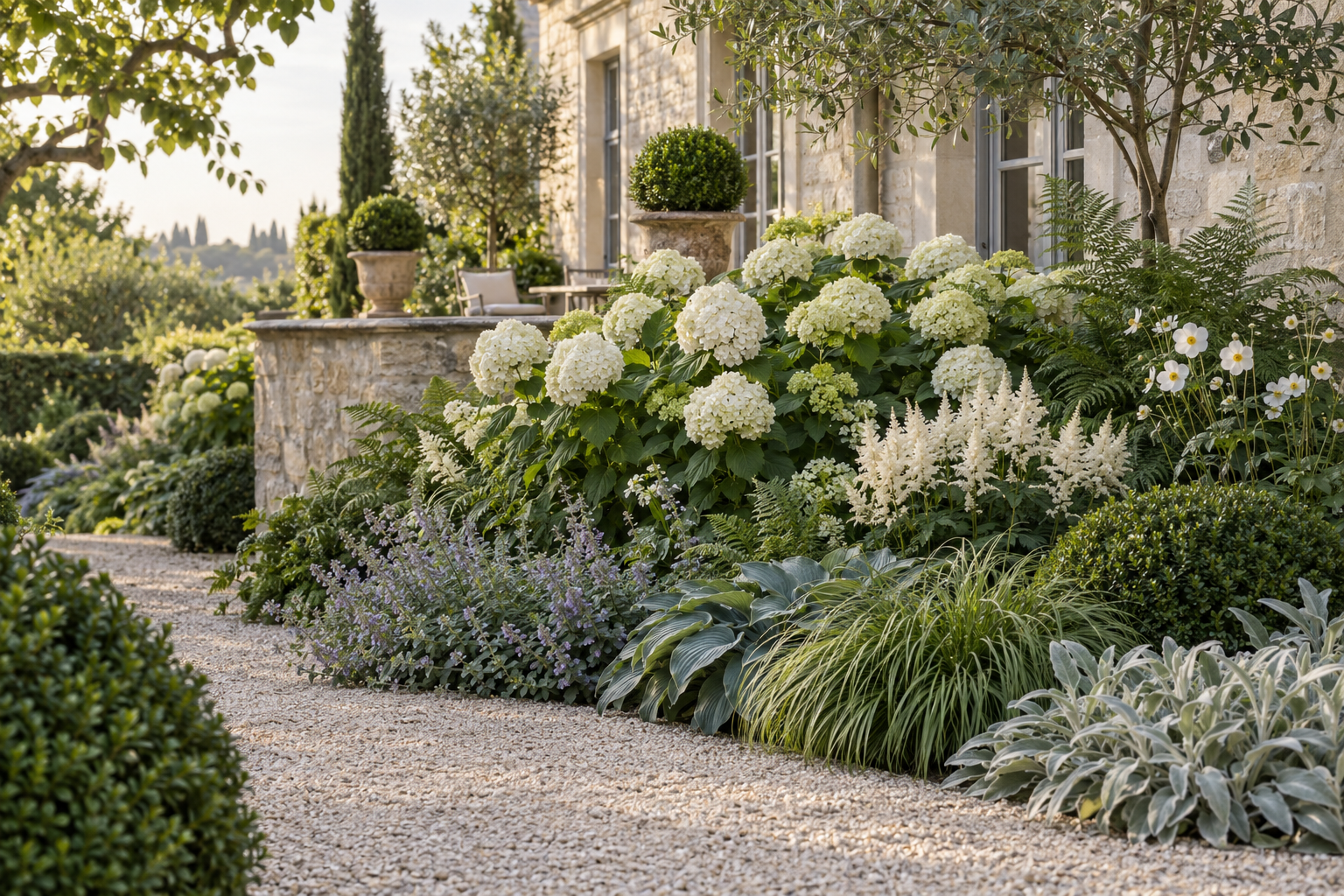
12 Best Companion Plants for White Hydrangeas
THE EUROPEAN GARDEN EDIT
GARDEN DESIGN
12 Best Companion Plants for White Hydrangeas
Create a layered, timeless garden with elegant evergreens, flowering perennials and beautiful foliage plants.
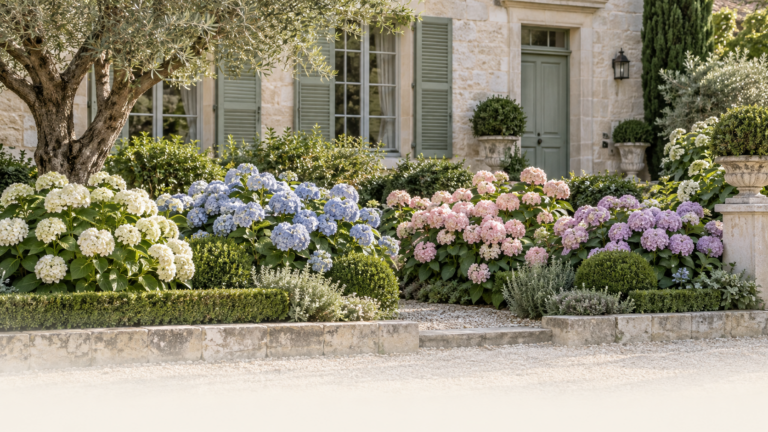
White hydrangeas have a quiet elegance that few other garden plants can match. Their soft, cloudlike blooms soften pathways, brighten shaded borders and bring a timeless quality to the front of a home. Yet even the most beautiful hydrangea planting can feel unfinished when every plant has the same rounded shape and height. The secret is not to add more flowers everywhere. It is to surround your hydrangeas with a thoughtful combination of evergreen structure, delicate flowers and contrasting foliage.
The best companion plants do more than look beautiful beside hydrangeas. They share compatible growing conditions, create interest before and after the hydrangeas bloom, and build a garden that feels considered in every season. Whether your style leans formal, cottage style or quietly contemporary, the following twelve plants will help you create a polished white hydrangea border.
In This Article
- What white hydrangeas need from companion plants
- Six flowering companions for softness and pollinators
- Six foliage and evergreen companions for structure
- A simple three layer arrangement for a balanced border
- Common planting mistakes to avoid
Before You Choose: Match the Growing Conditions
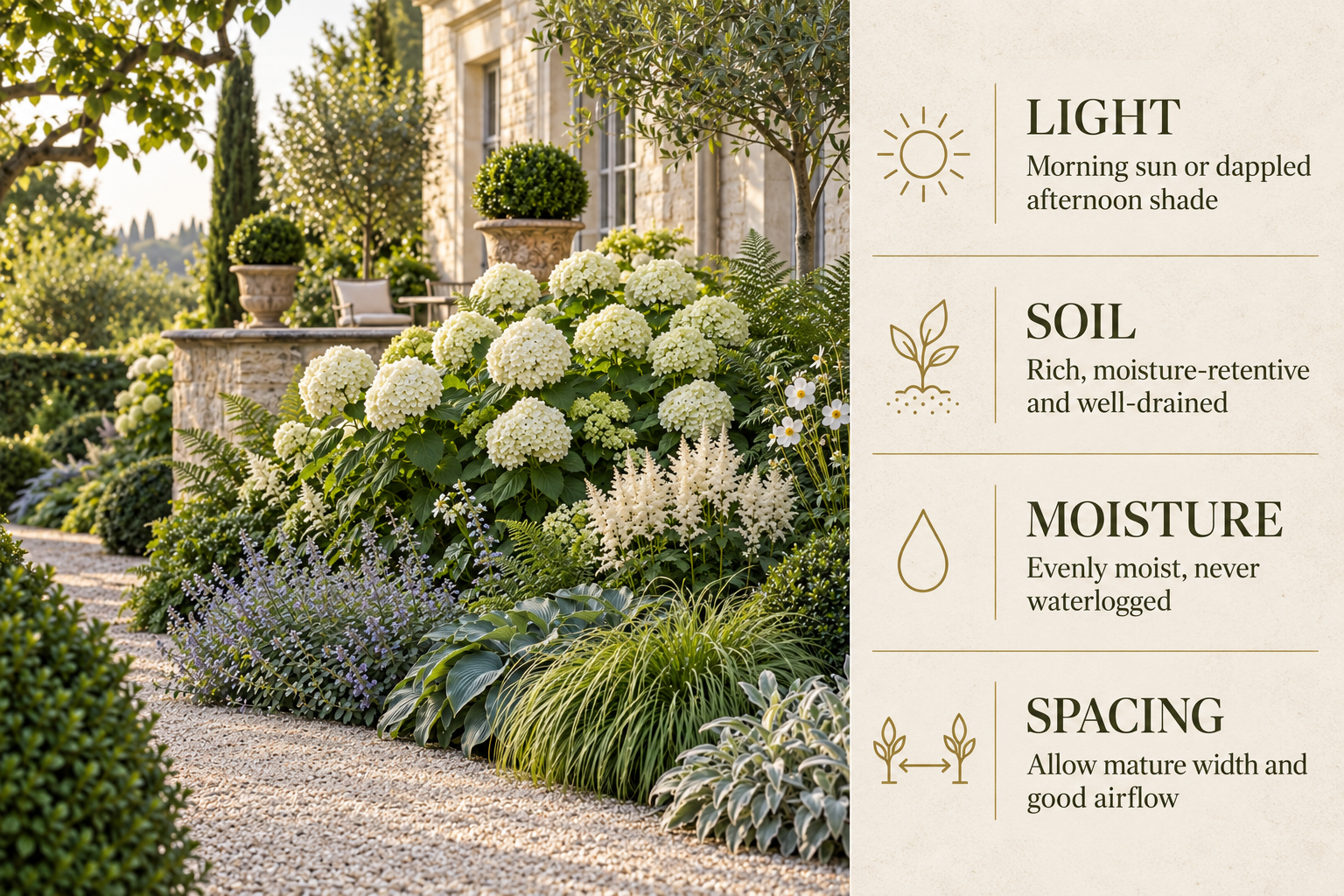
Most white hydrangeas thrive in soil that retains moisture while draining well enriched with organic matter. Smooth and bigleaf hydrangeas generally appreciate protection from harsh afternoon sun, while panicle hydrangeas are more tolerant of sunny positions. Before selecting companions, observe how much light the border receives and how quickly the soil dries after rain.
Give every plant enough room to reach its mature size. Hydrangeas need air circulation, and dense planting can encourage disease while making pruning and watering more difficult. The most successful combinations repeat a restrained palette of white, lavender, silver and green instead of mixing every plant that catches the eye.
Evergreen Structure
1. Boxwood
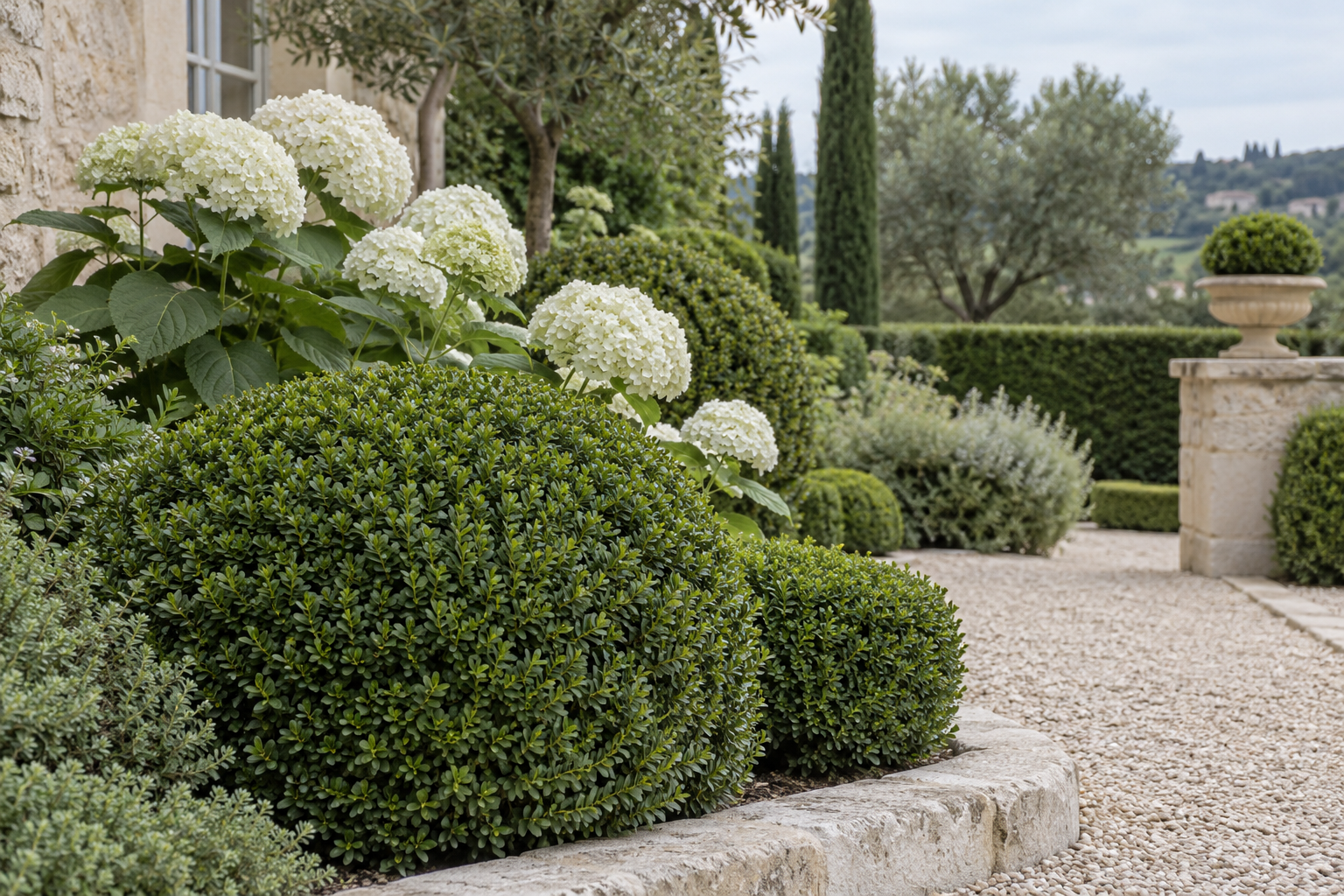
Clipped boxwood gives the loose, romantic shape of hydrangeas a strong architectural counterpoint. A low hedge can define the front of a border, while repeating spheres create rhythm without making the planting feel rigid. Its glossy green foliage is especially valuable through winter, when hydrangea branches are bare.
Use boxwood sparingly and allow space between the evergreen forms and the mature hydrangea canopy. Where boxwood blight is a concern, look for resistant cultivars or substitute another evergreen with small leaves suited to your climate.
2. Yew
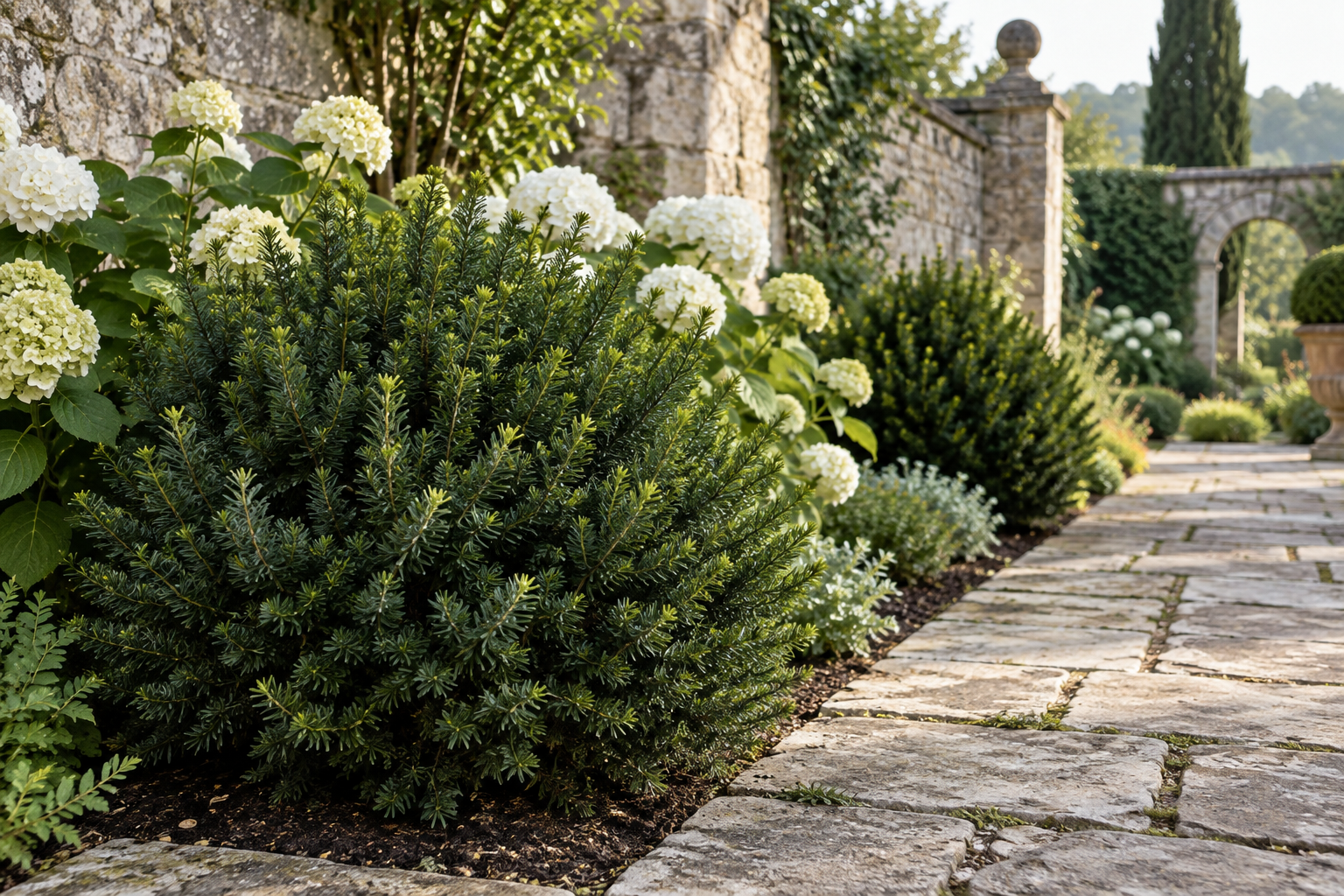
Yew brings a deeper, quieter green to the planting and makes white flower heads appear luminous. It can be kept as a clipped hedge, shaped into columns beside an entrance or allowed to form a soft background behind a broad hydrangea border. Established yew also tolerates shade better than many formal evergreens.
Choose compact forms for smaller gardens, and remember that all parts of yew except the red aril are toxic if eaten. Place it thoughtfully where pets or young children do not browse plants.
Flowering Companions for Sun
3. Lavender
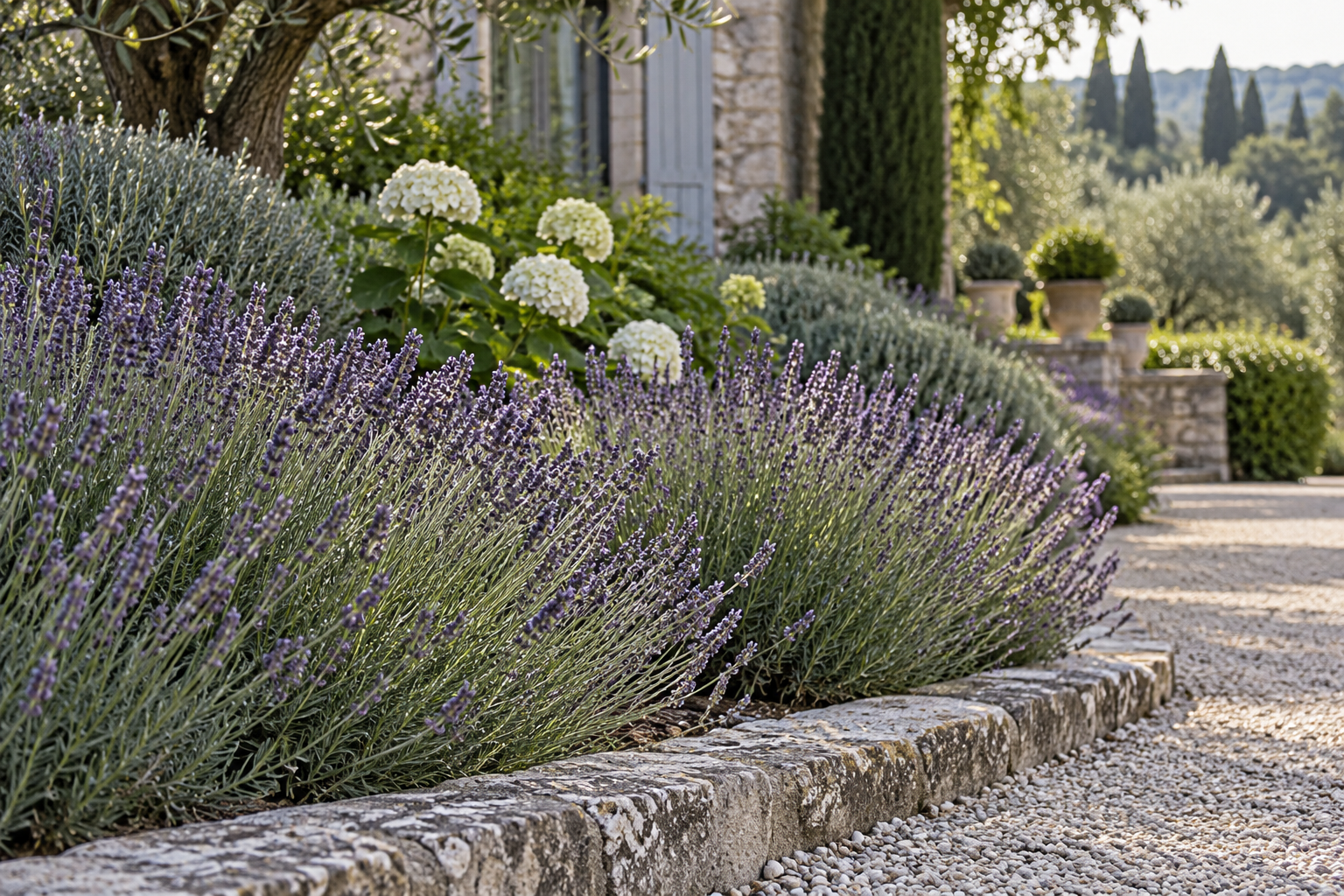
Lavender is a beautiful partner for panicle hydrangeas in a sunny, border with excellent drainage. Its slender purple flower spikes introduce a cool note beneath creamy blooms, while the silver foliage keeps the composition interesting long after flowering. Bees and other pollinators will appreciate the pairing as much as the gardener does.
The key is drainage: lavender dislikes the consistently damp soil preferred by many hydrangeas. Position it at the raised, sunny front edge of the bed, where excess water runs away from its crown.
4. Catmint
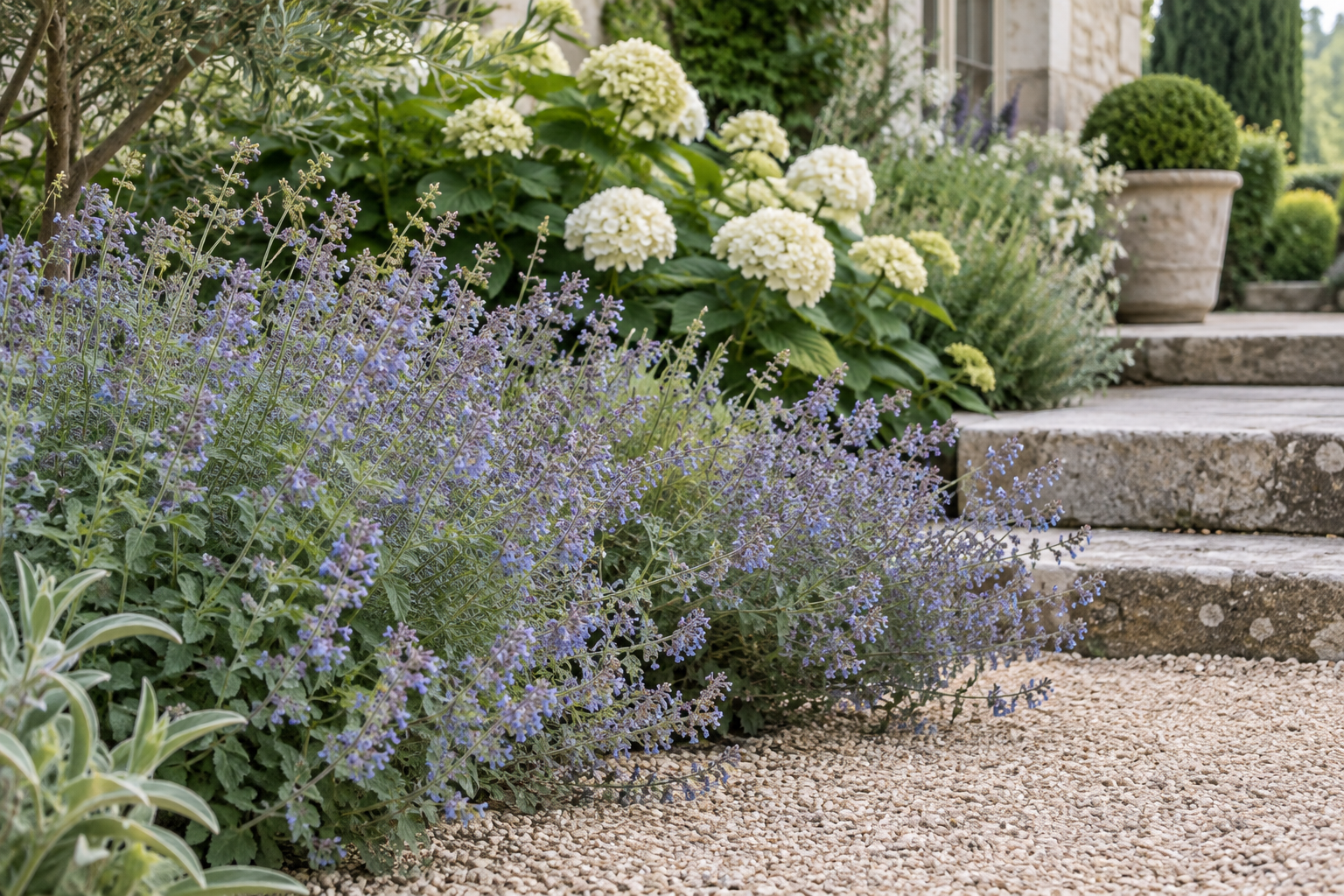
Catmint creates a relaxed river of violet blue flowers around the base of white hydrangeas. Its airy habit softens paths and walls, and many varieties flower for weeks if trimmed after the first flush. Repeat generous drifts rather than dotting single plants through the bed for a calm, cohesive effect.
Like lavender, catmint performs best toward the sunnier, drier edge of a hydrangea border. Compact cultivars are particularly useful where you want a low mound that will not obscure the shrubs.
5. White Salvia
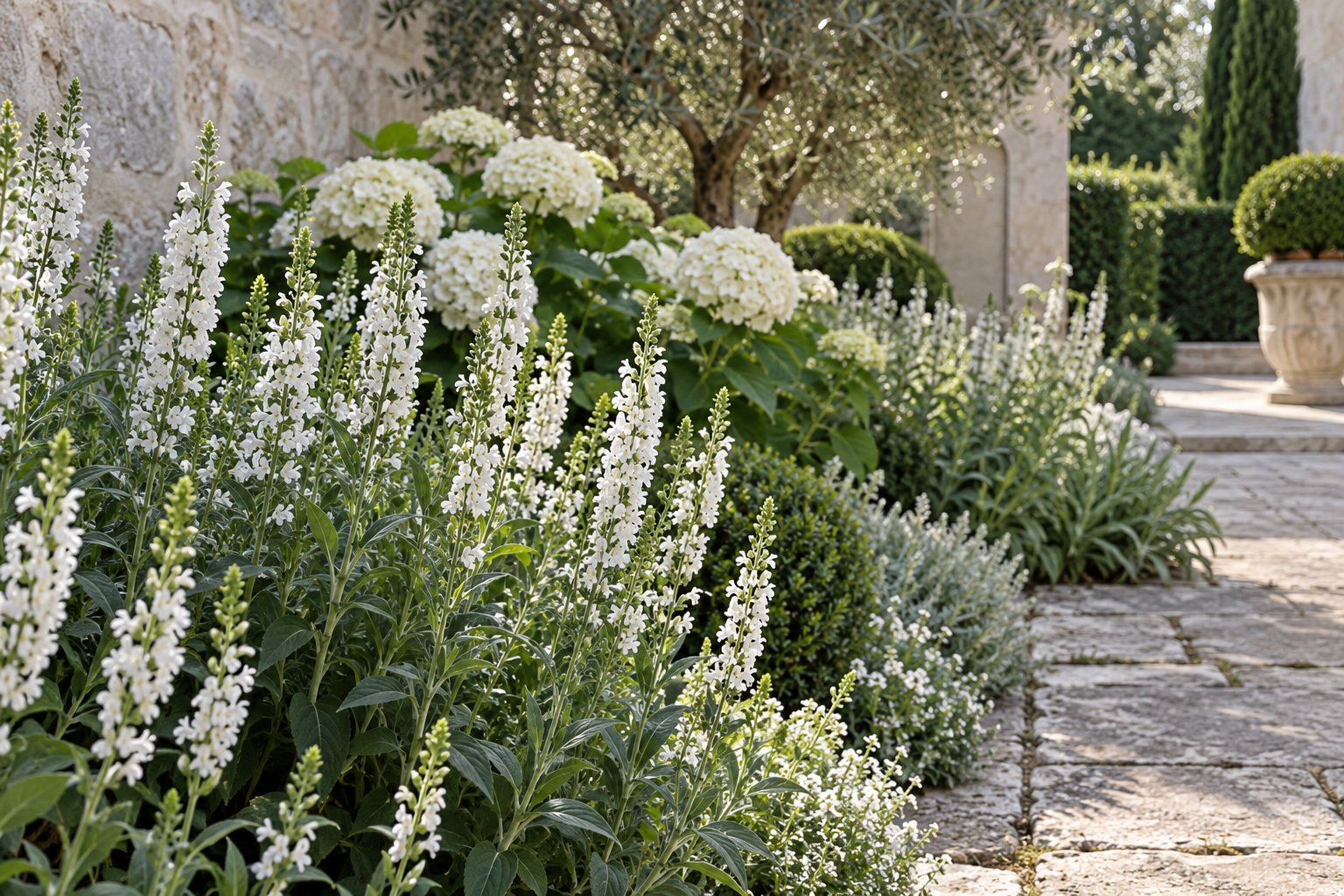
White salvia echoes the hydrangea palette without repeating its rounded form. The upright spires draw the eye through the border and keep an entirely white planting from looking flat. Plant several together so the vertical lines read clearly against the broader leaves and generous flower heads.
Provide full sun and soil with good drainage, and remove spent flower stems to encourage a second display. Blue or violet salvia works equally well when you want a slightly more colorful garden.
Flowering Companions for Partial Shade
6. White Astilbe
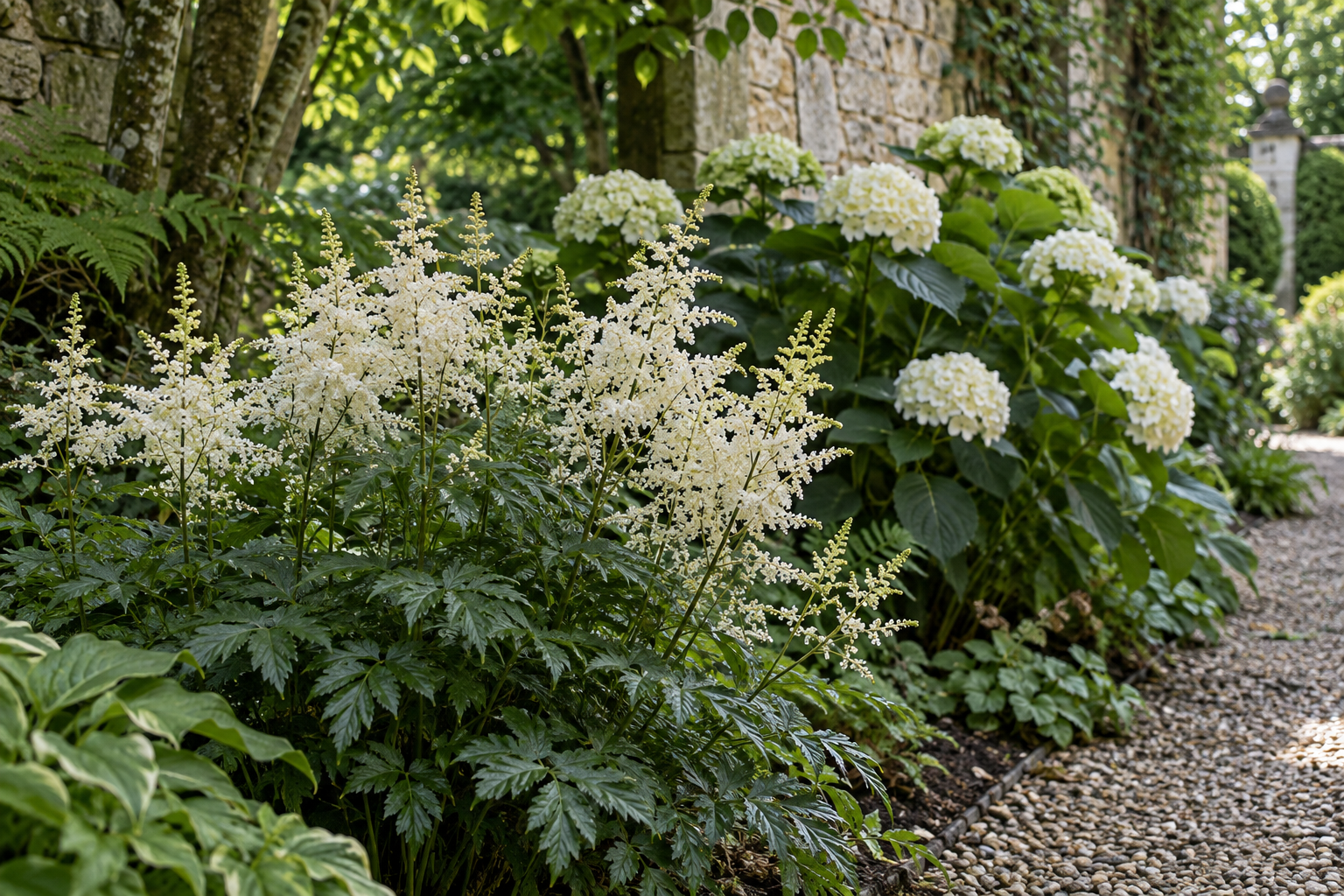
Astilbe is one of the most natural companions for hydrangeas in cool, partially shaded beds. Its feathery plumes bring a light, vertical texture to the planting, and its finely textured foliage contrasts beautifully with large hydrangea leaves. White varieties preserve a serene monochromatic scheme; blush cultivars introduce the softest hint of color.
Keep the soil consistently moist, especially during the first growing season. Astilbe is far less forgiving of drought than many other perennials, so a mulch of compost or leaf mould is helpful.
7. Lamb’s Ear
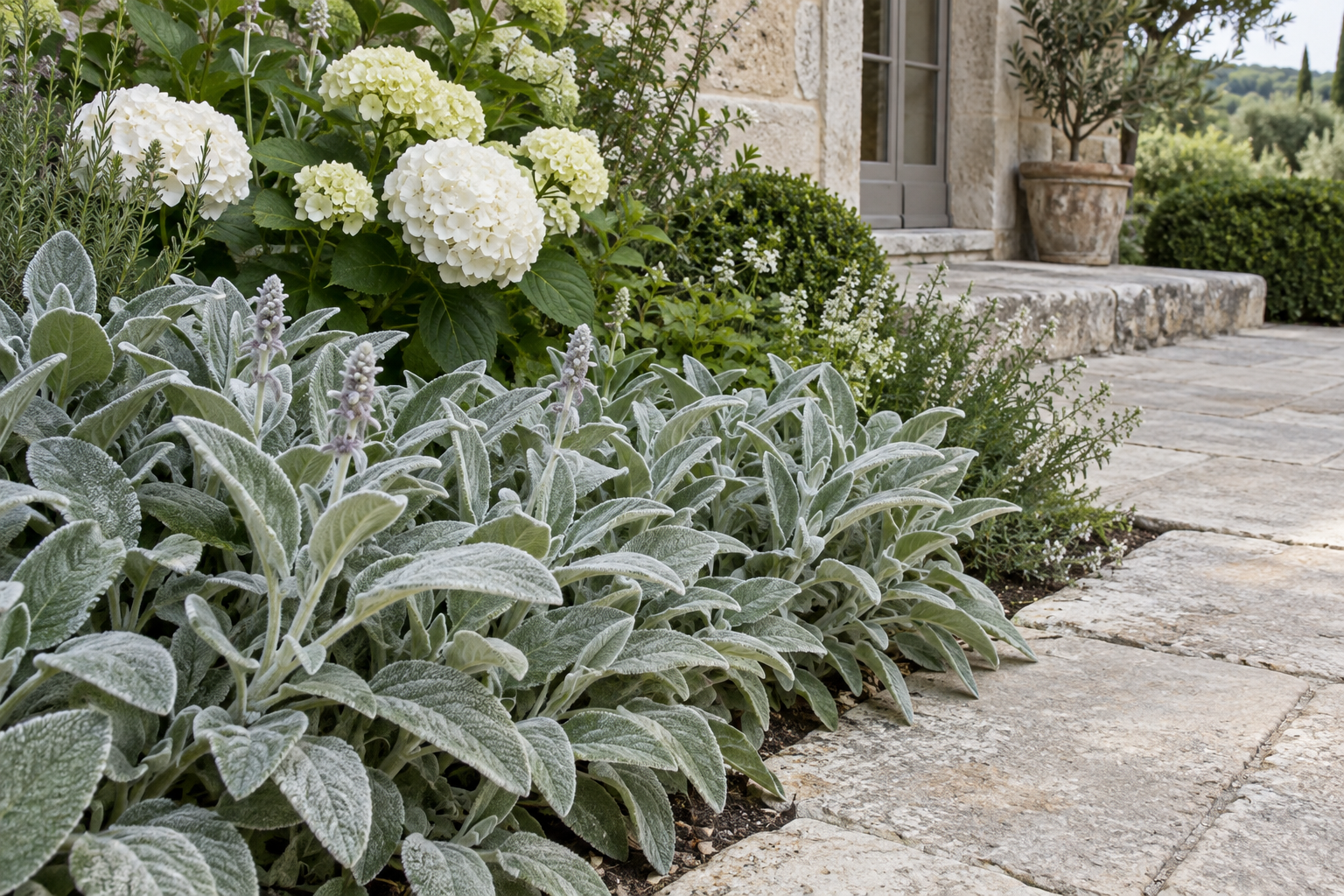
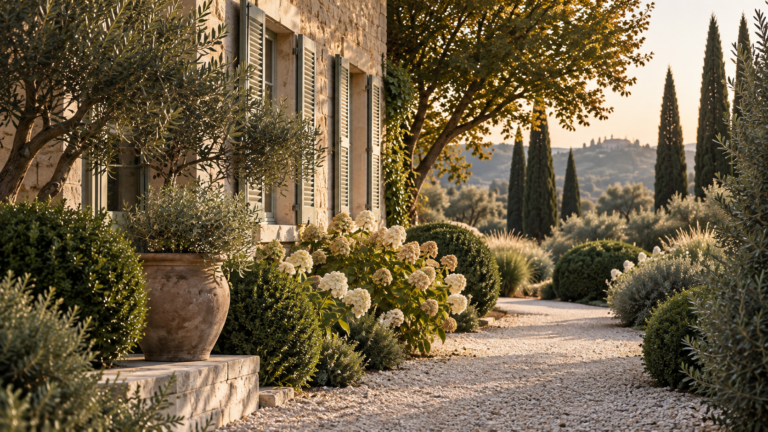
The velvety silver leaves of lamb’s ear create a soft transition between white blooms and stone paving. It is especially effective in gardens with limestone, pale gravel or aged terracotta, where the foliage repeats the muted tones of the hard landscaping.
Give lamb’s ear sun and excellent drainage. Use it at the outer edge rather than directly beneath a thirsty hydrangea, and remove damaged leaves in spring to keep the planting fresh.
Foliage, Movement and Seasonal Interest
8. Japanese Forest Grass
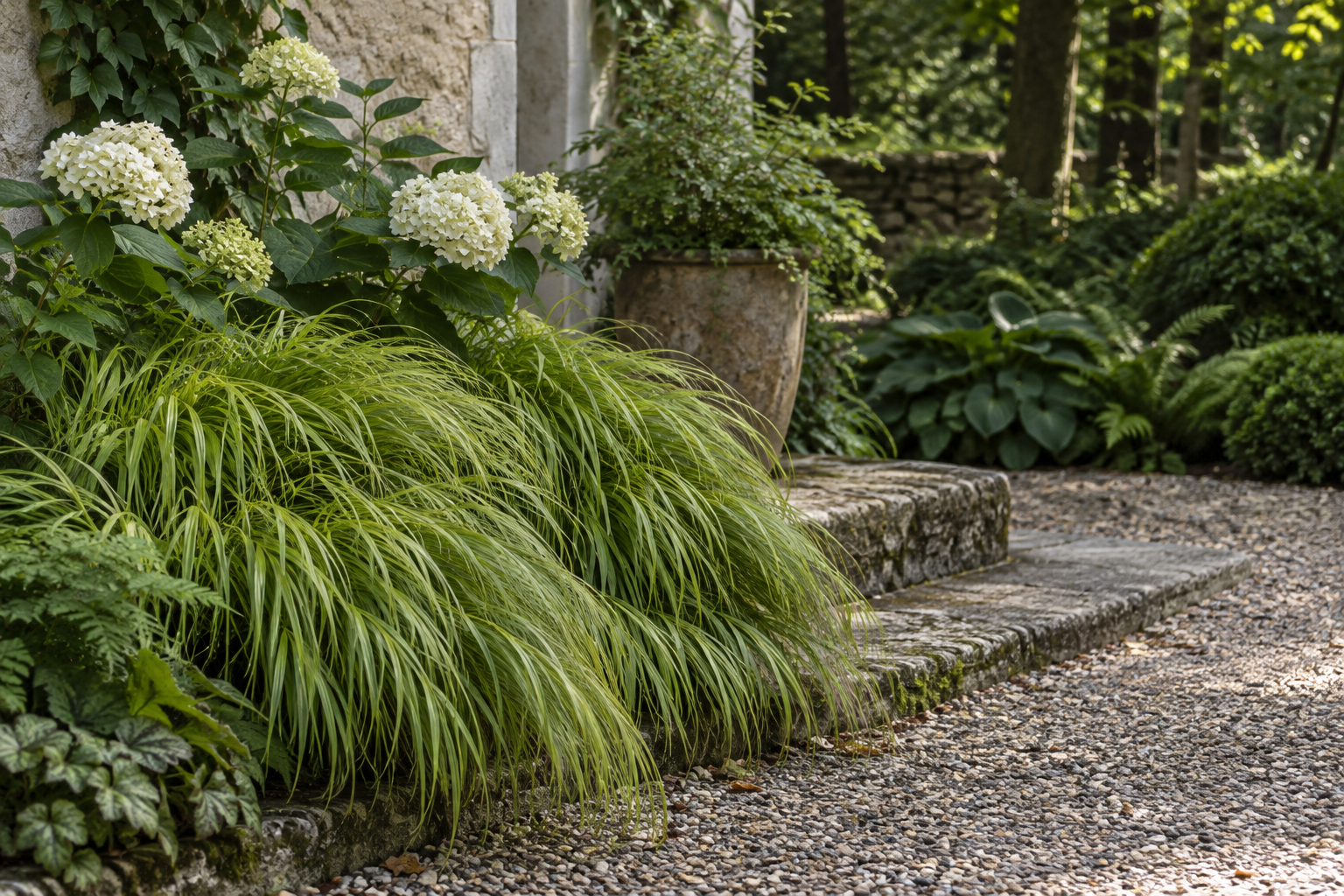
Japanese forest grass creates graceful movement in dappled shade. Its arching blades spill gently toward paths and provide a fine texture below the bold hydrangea foliage. Golden forms can illuminate a darker border; green forms feel cooler and more naturalistic.
Plant it in repeating groups along the front or side of the bed, where the cascading shape is visible. It prefers rich soil that holds moisture but should not sit in standing water.
9. Ferns
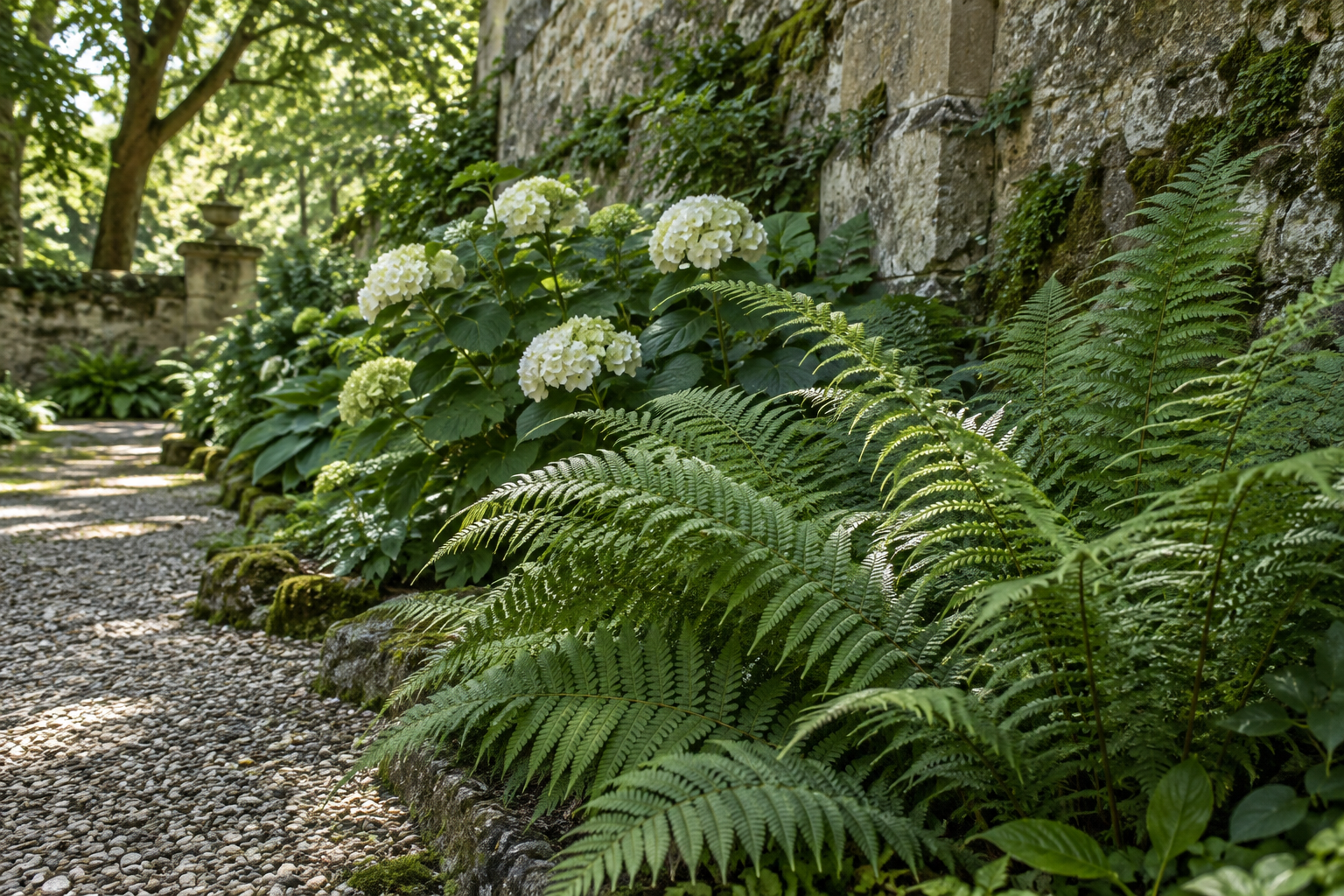
Ferns are indispensable where white hydrangeas grow beneath trees or on the cooler side of a home. Their divided fronds add an intricate woodland texture without competing for attention. Evergreen varieties extend the season; deciduous ferns offer especially fresh growth in spring.
Choose ferns for the exact moisture and light conditions in your garden. Fern varieties for dry shade are helpful under mature trees, while varieties that enjoy consistent moisture pair naturally with hydrangeas in richer soil.
10. Silver Green Heuchera
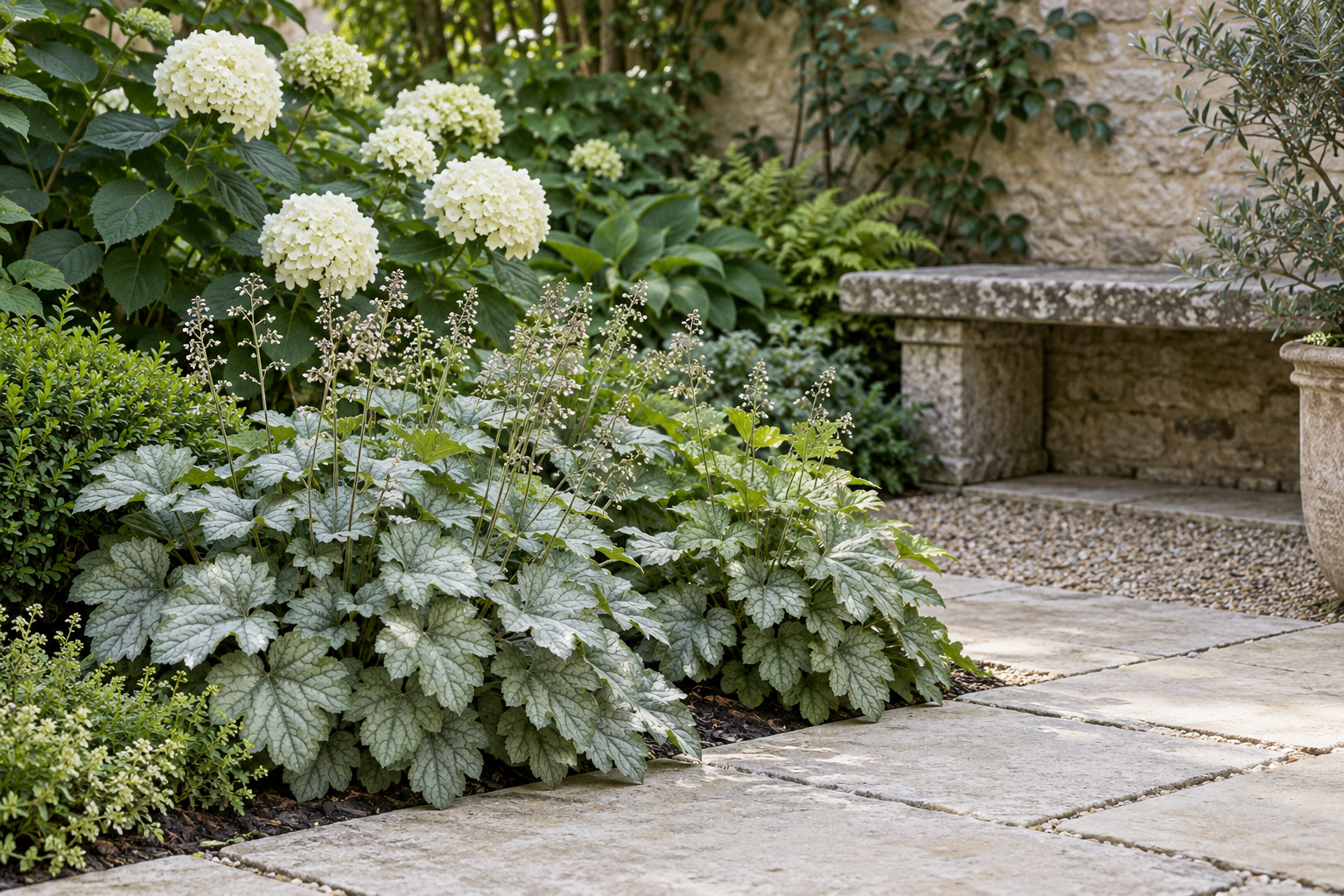
Heuchera forms a low, tidy layer of foliage that hides bare stems and keeps the garden interesting outside hydrangea season. Silver green cultivars feel particularly refined beside white flowers, while deep plum leaves can create a richer, more dramatic contrast.
Repeat one cultivar throughout the planting instead of mixing many leaf colors. This simple restraint gives the border continuity and allows the hydrangeas to remain the main event.
11. White Japanese Anemone
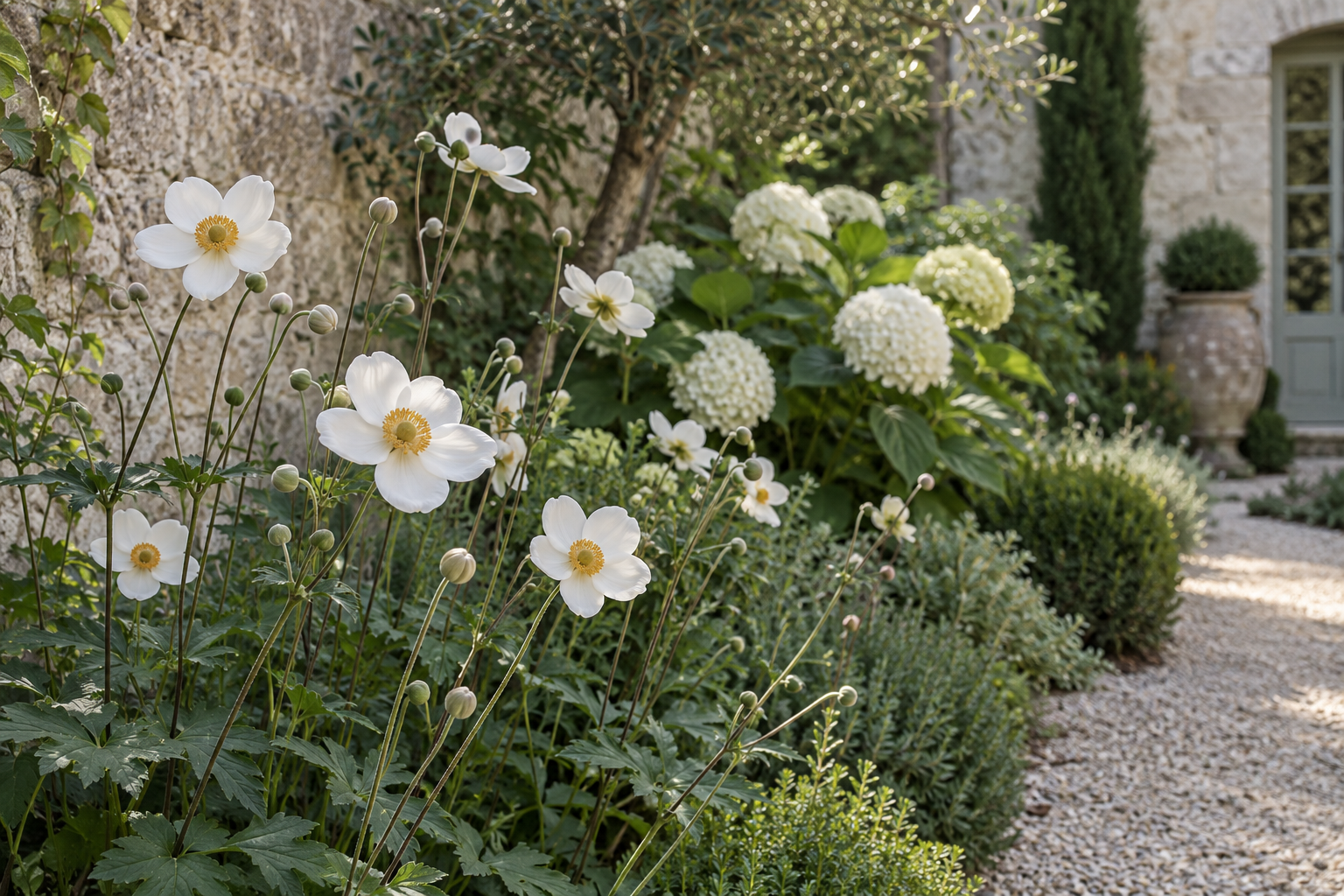
Japanese anemones rise on slender stems in late summer and autumn, just as many hydrangea blooms begin to age. Their simple white flowers continue the pale palette while introducing a lighter, more transparent silhouette. They are especially lovely where they can weave behind or between established shrubs.
Give them partial shade and soil that remains reasonably moist. Allow room for natural spread, or select a more compact cultivar when the bed is narrow.
12. Ornamental Grasses
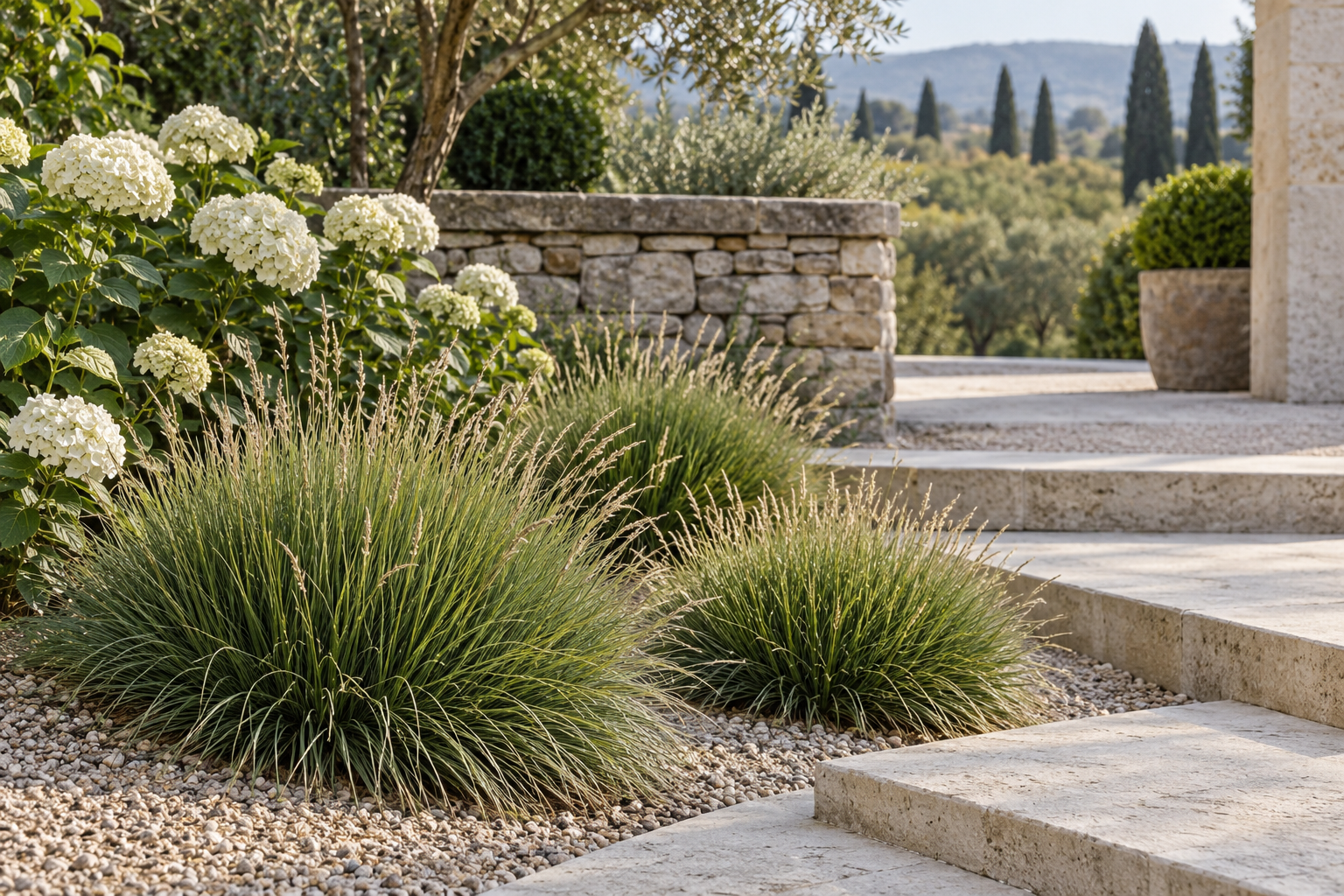
Fine ornamental grasses bring movement, seed heads late in the season and winter presence to a hydrangea planting. Their narrow leaves are a welcome contrast to broad hydrangea foliage, and their warm straw tones complement fading flower heads in autumn.
Select compact, noninvasive varieties suited to your light level. A few repeated clumps are usually more elegant than one large grass that overwhelms the border.
Garden Notebook
The most convincing hydrangea borders balance three shapes: rounded flower heads, clipped or upright structure, and a fine, airy layer that moves in the breeze.
How to Arrange Companion Plants Around White Hydrangeas
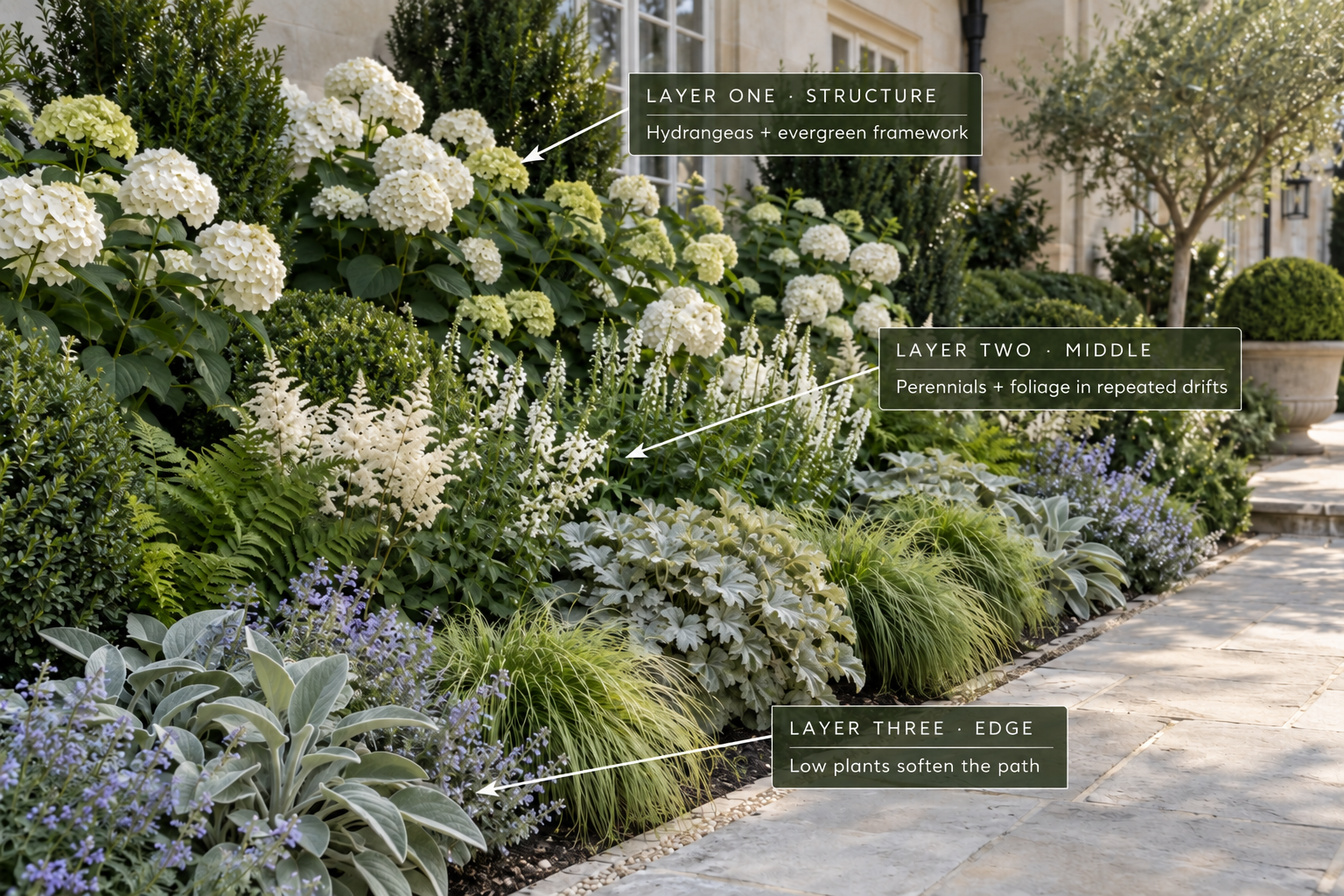
Layer One: The Structure
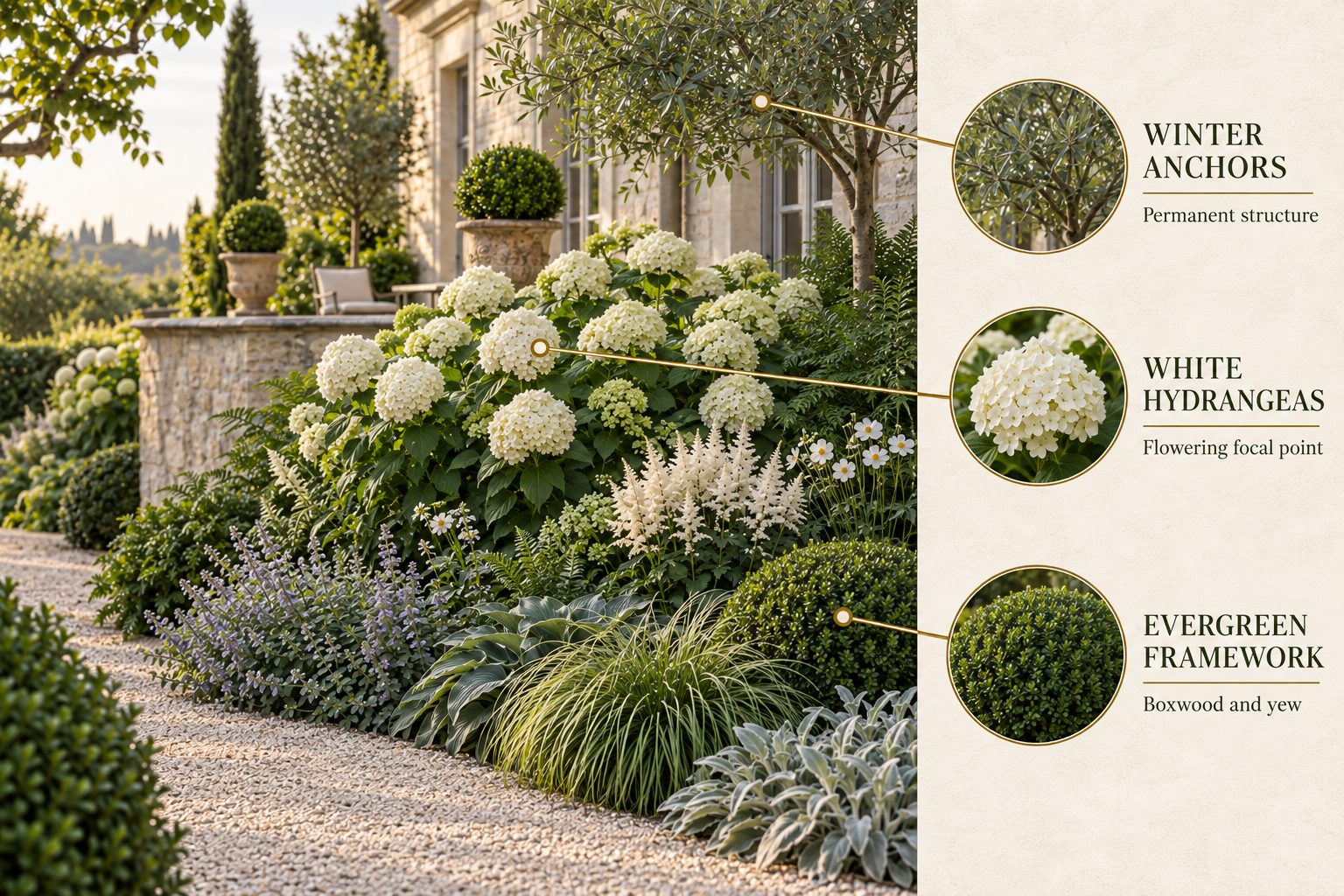
Begin with the hydrangeas and evergreen framework. Place hydrangeas where their mature size will not crowd a doorway or path, then use boxwood or yew to define the border, frame an entrance or create winter anchors. This layer establishes the garden’s permanent shape.
Layer Two: The Middle
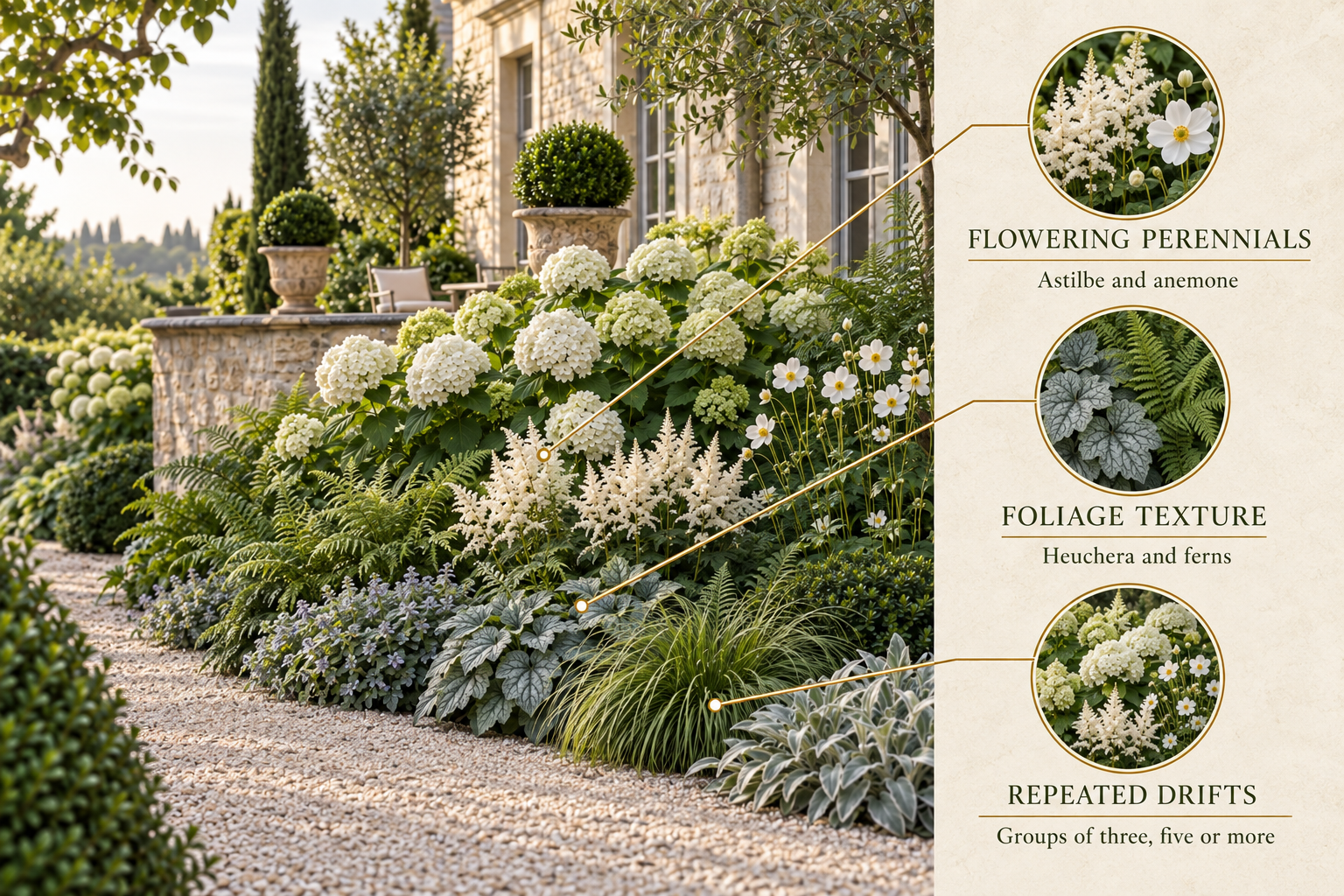
Add flowering perennials and foliage plants in groups of three, five or more. Astilbe, salvia, anemone, heuchera and ferns should appear in repeated drifts rather than isolated specimens. Vary the heights, but keep enough space around the hydrangeas for air and access.
Layer Three: The Edge
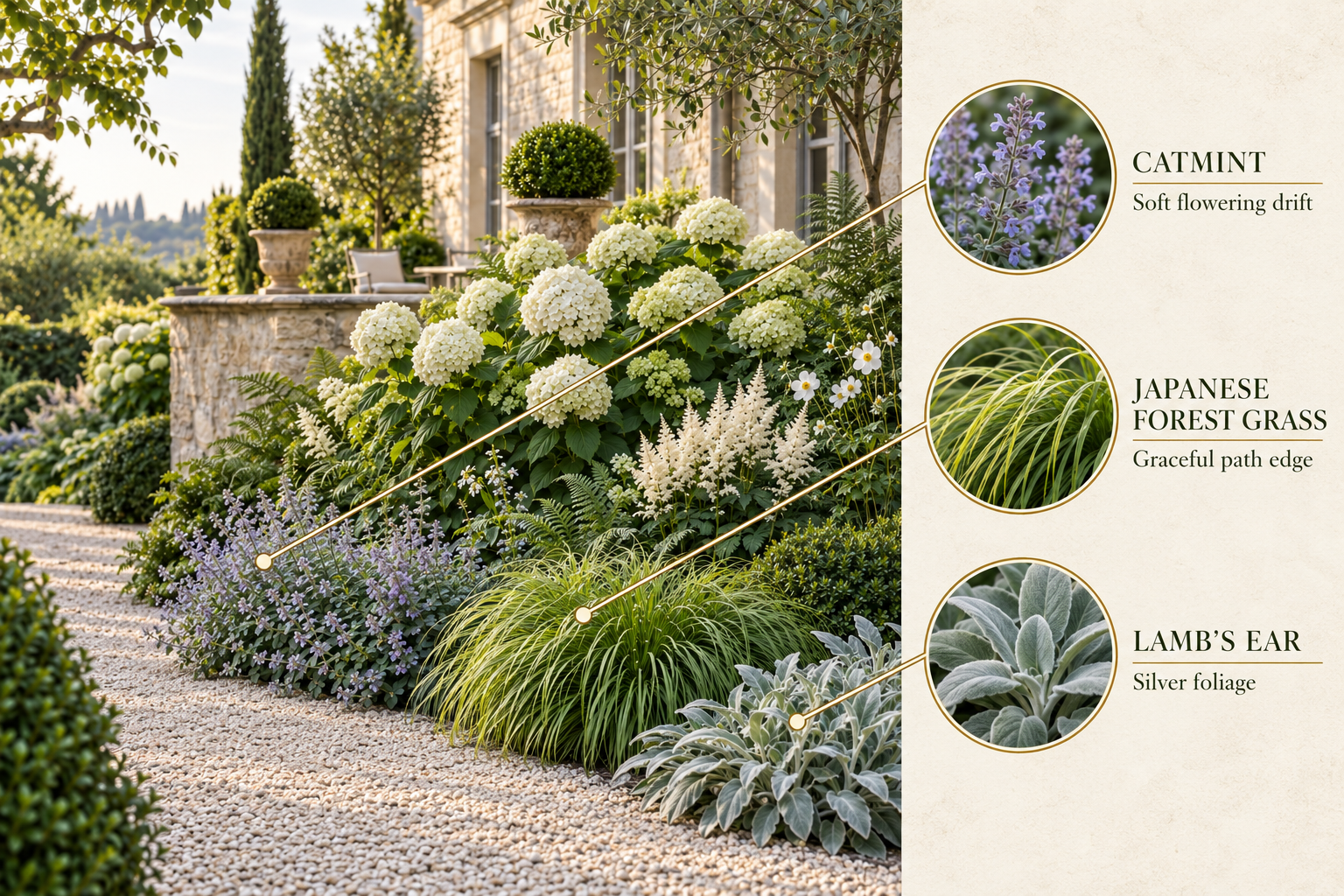
Finish with low plants that soften the meeting point between bed and path. Catmint, lamb’s ear and Japanese forest grass are particularly effective here. Let them spill slightly forward, but trim as needed to keep the route comfortable and intentional.
A Simple Planting Formula
- One white hydrangea as the generous flowering focal point.
- One evergreen form such as boxwood or yew for structure throughout the year.
- One flowering perennial such as astilbe, catmint or salvia for contrast and pollinators.
- One foliage or grass layer such as heuchera, ferns or Japanese forest grass for texture.
Repeat this combination along the border, adjusting the varieties for sun, shade and soil. Repetition, not quantity, is what makes the design feel cohesive.
Common Mistakes to Avoid
- Planting too closely. Check mature widths and leave room for airflow, pruning and watering.
- Choosing by appearance alone. Pair plants only when their light, moisture and drainage needs overlap.
- Using too many varieties. A limited palette repeated in generous groups feels calmer and more luxurious.
- Filling every open space immediately. Young gardens need room to grow; temporary mulch is better than future crowding.
- Forgetting winter. Include evergreen forms, seed heads or persistent foliage so the border remains composed after frost.
Creating a Timeless White Hydrangea Garden
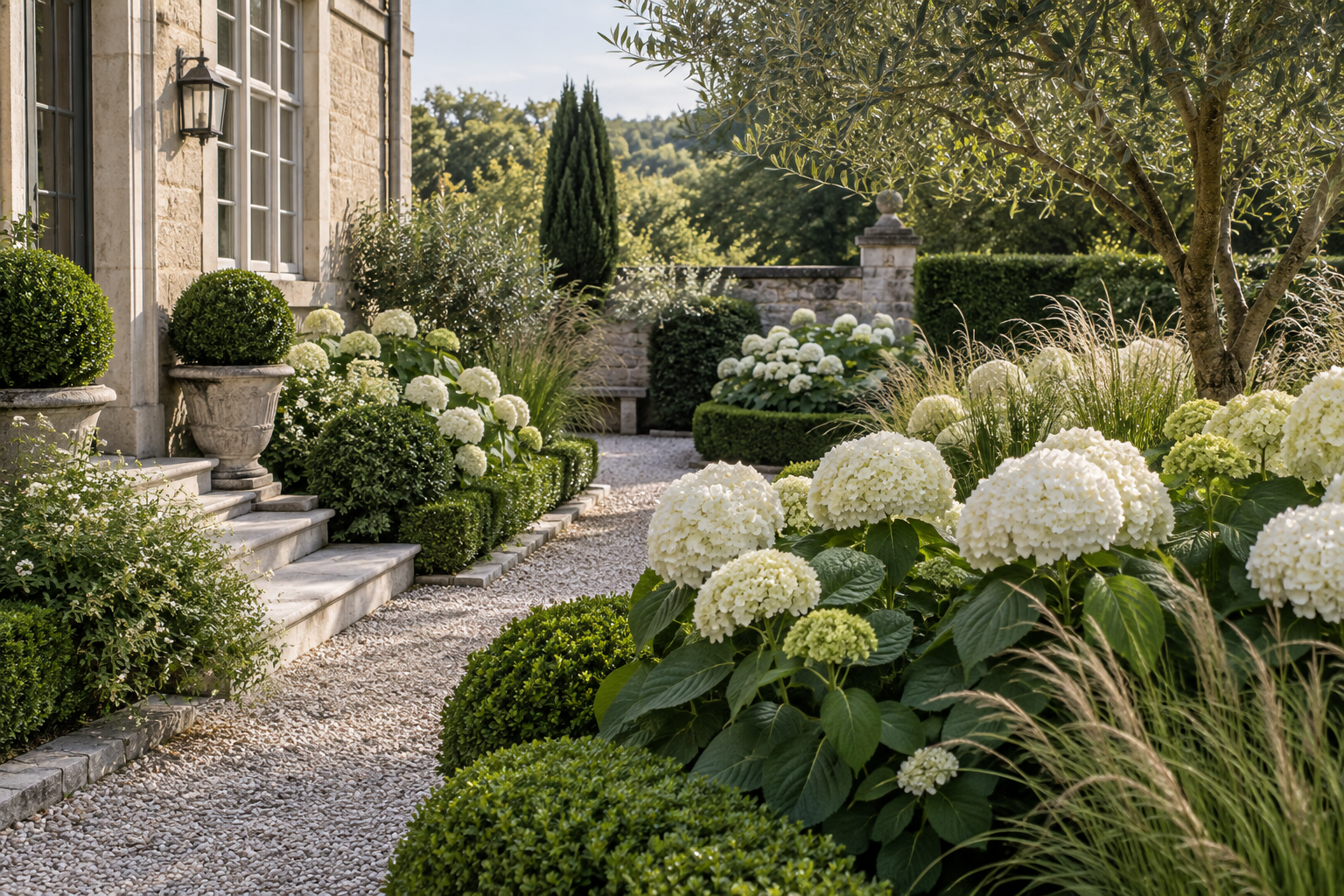
A memorable hydrangea garden is not built from flowers alone. Its beauty comes from the relationship between softness and structure: white blooms against deep evergreen, broad leaves beside fine grasses, and generous shrubs edged with small, repeating perennials. When each companion contributes a distinct texture or season of interest, the whole border feels richer without becoming busy.
Start with the conditions you have, choose a restrained palette and repeat your favorite combination. With time, the plants will knit together into the layered, settled garden that white hydrangeas deserve.
The European Garden Edit
Plan Your White Hydrangea Planting
Use our White Hydrangea Companion Garden Guide as your starting point for choosing companion plants, balancing texture and creating beauty in every season around white blooms.
FROM THE JOURNAL
Recent Reads
October 7, 2026
How to Choose a Garden Colour Palette: 7 Beautiful Plant Combinations
October 6, 2026
How to Design a Beautiful Shade Garden: A Simple Layering Formula
September 17, 2026
How to Design a White Hydrangea Border
September 16, 2026
5 Beautiful Ways to Edge a Garden Border
September 12, 2026
How to Choose the Right Hydrangea for Your Garden
September 10, 2026