
10 Beautiful European Courtyards
THE EUROPEAN GARDEN EDIT
GARDEN INSPIRATION
10 Beautiful European Courtyards
Quietly elegant spaces shaped by stone, structure and considered planting
A beautiful courtyard is more than an outdoor room. Enclosed by stone, softened by planting and shaped by light, it offers a private world apart. Across Europe, these intimate gardens balance architecture with nature in ways that feel collected rather than contrived.
From the pale limestone courtyards of Provence to the tiled patios of Andalusia, the most memorable examples share a sense of restraint. Each material is chosen carefully. Plants are repeated rather than crowded together, and open areas of gravel or stone are allowed to become part of the composition.
The result is a garden that feels calm, enduring and deeply connected to its surroundings.
01. The Limestone Courtyard
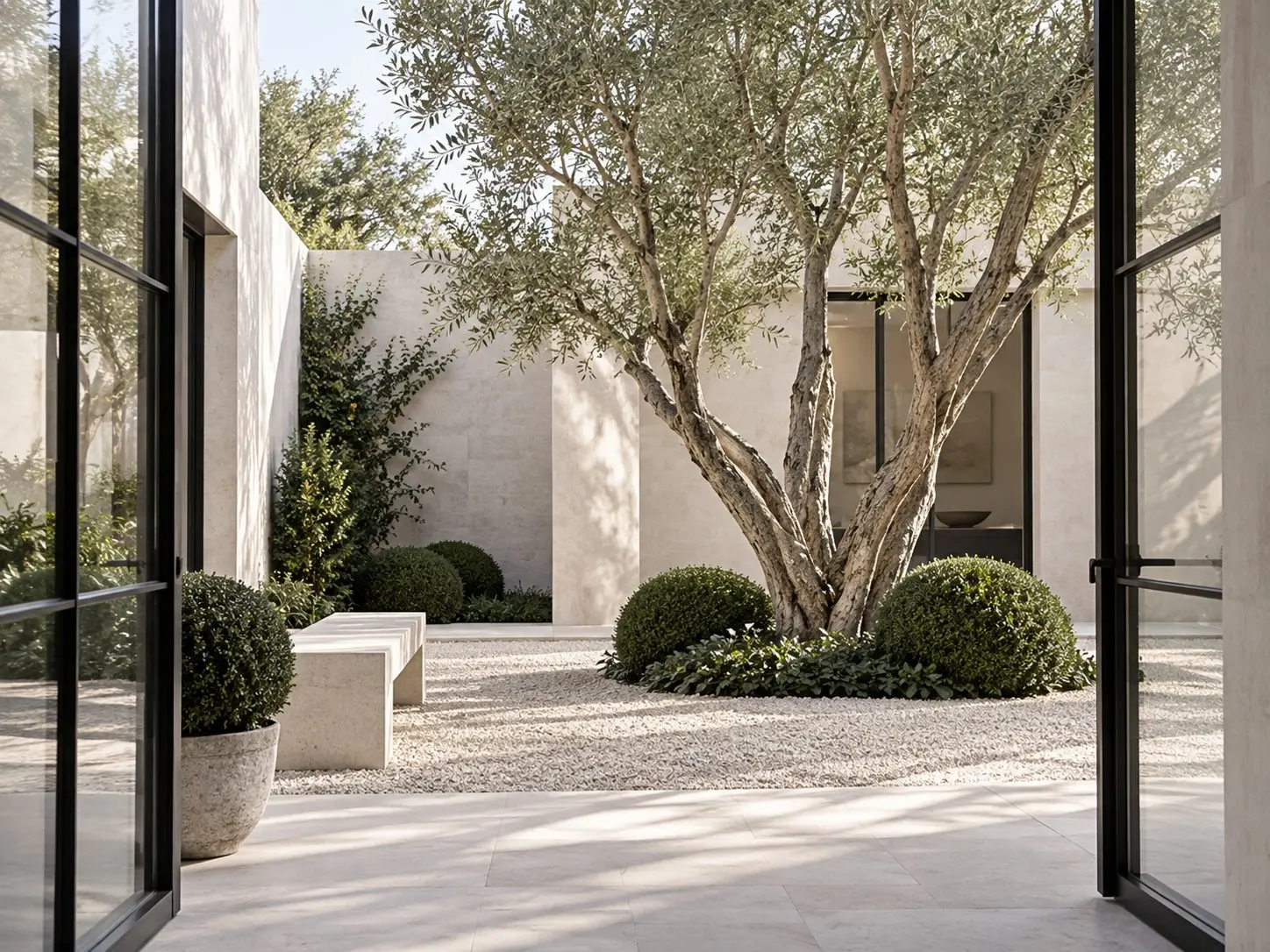
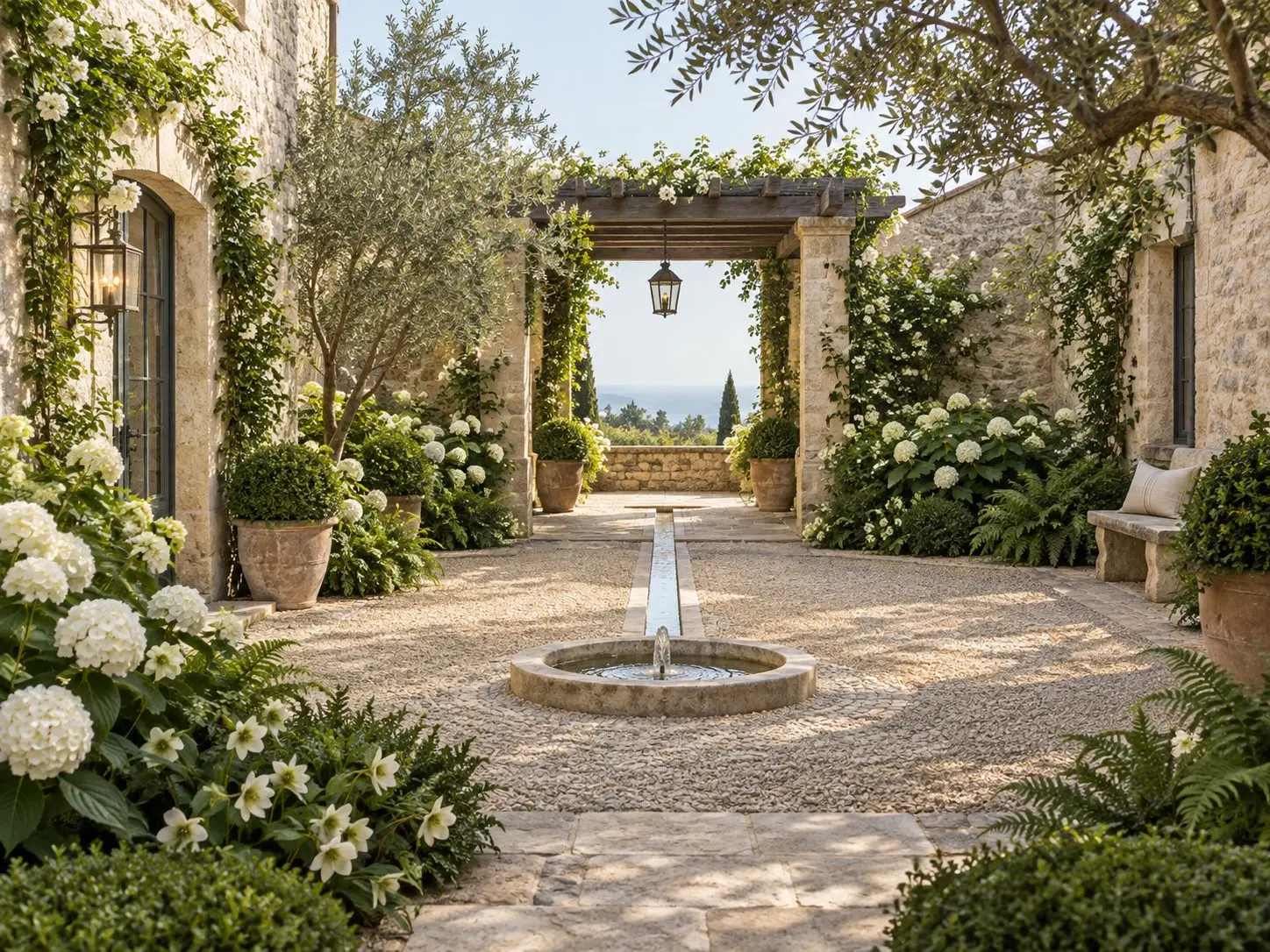
Pale stone gives this enclosed garden its quiet authority. Gravel and clipped evergreens provide year-round structure, while white hydrangeas soften the geometry without overwhelming it.
The beauty of a limestone courtyard lies in its limited palette. Cream-coloured walls reflect the changing light, making the space feel warm in the morning and softly luminous toward evening. Repeating the same stone in the paving, bench or architectural details creates a sense of continuity.
Planting should remain simple. Rounded boxwood, clipped yew and a small multi-stemmed tree can establish the framework. White hydrangeas introduce seasonal fullness, while ferns or hellebores provide quieter foliage near the ground.
Rather than filling every corner, leave areas of gravel and stone visible. This breathing room is what allows each plant—and the architecture itself—to feel important.
02. A Provençal Courtyard in Soft Sage
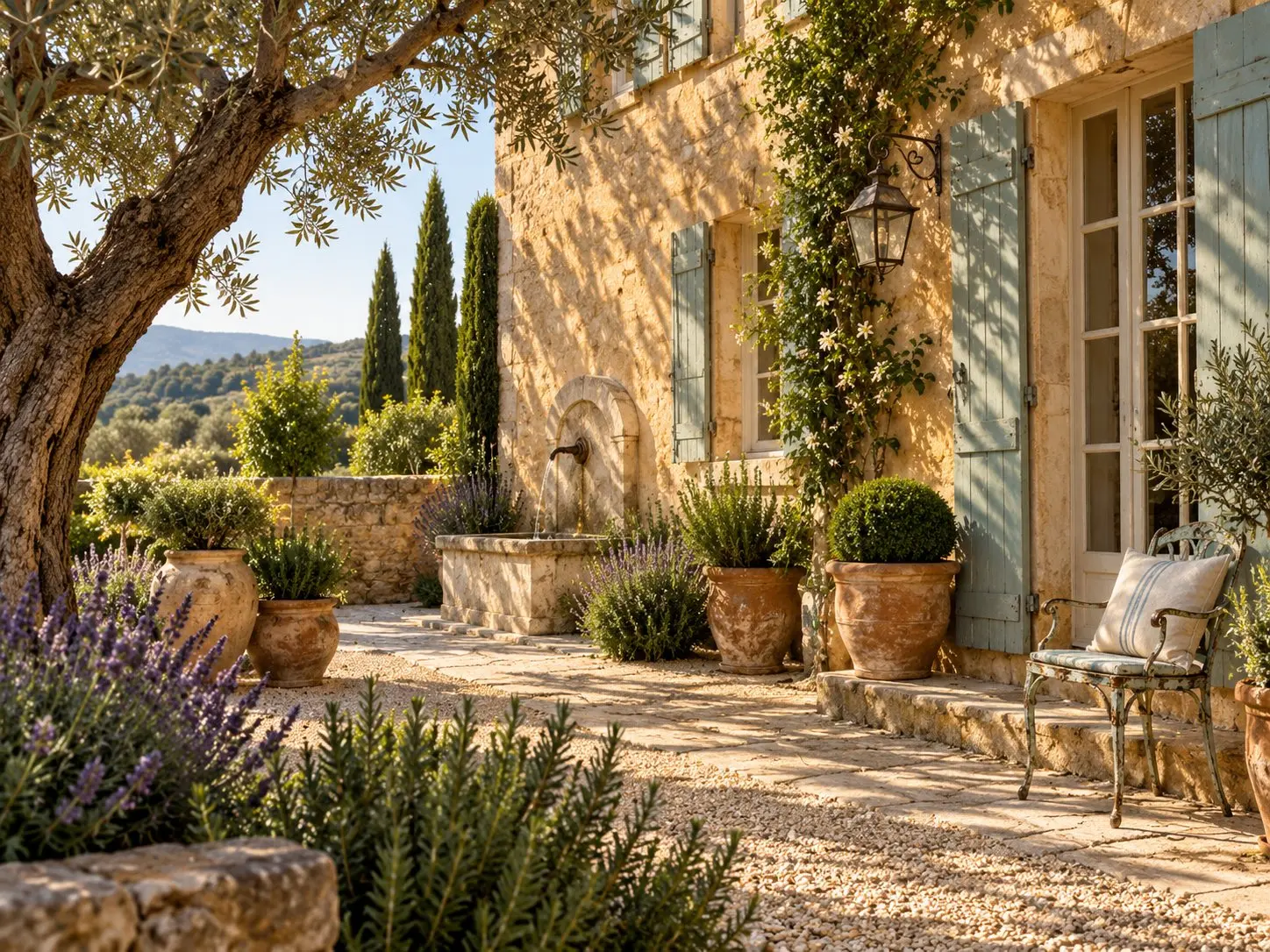
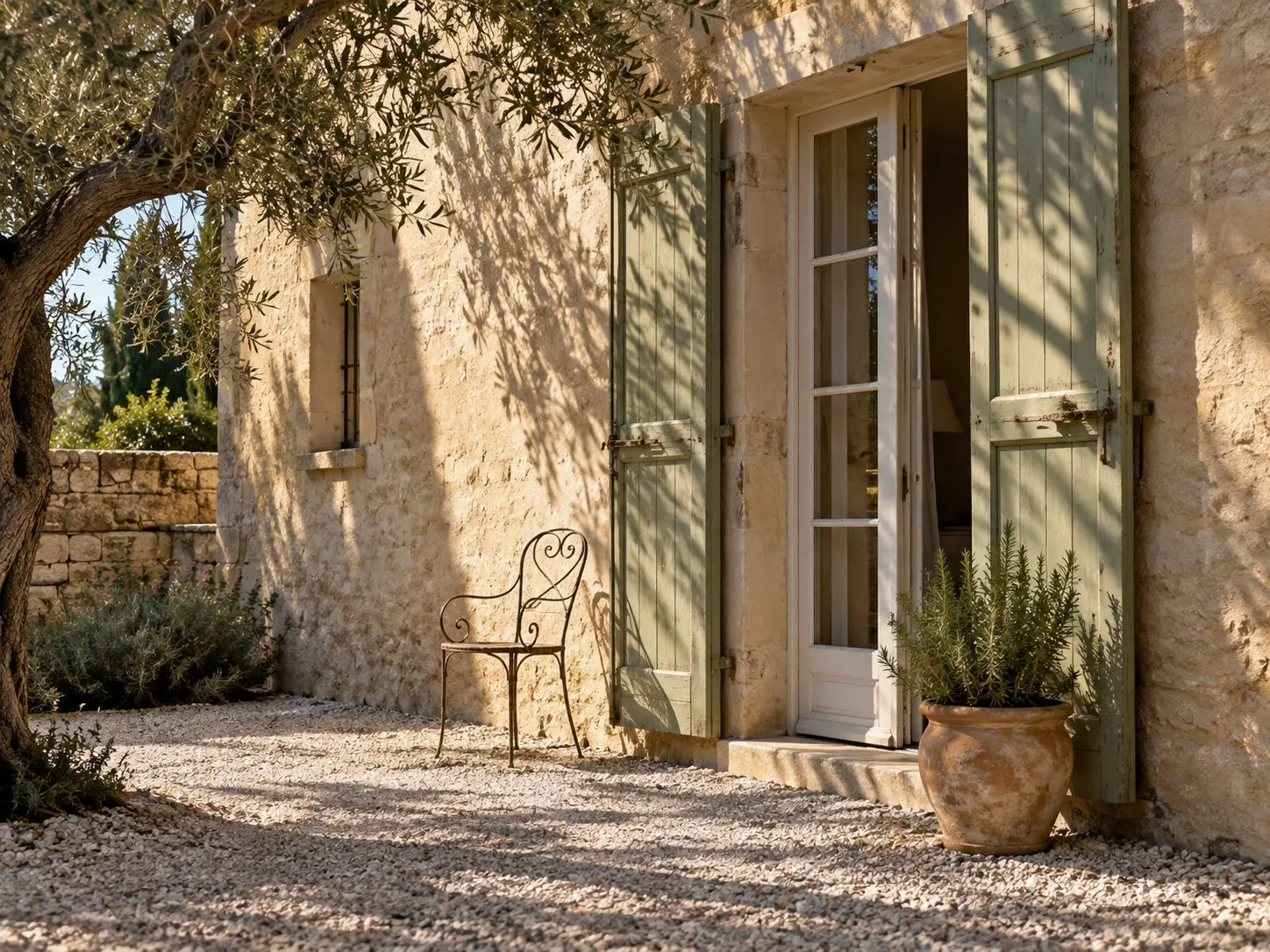
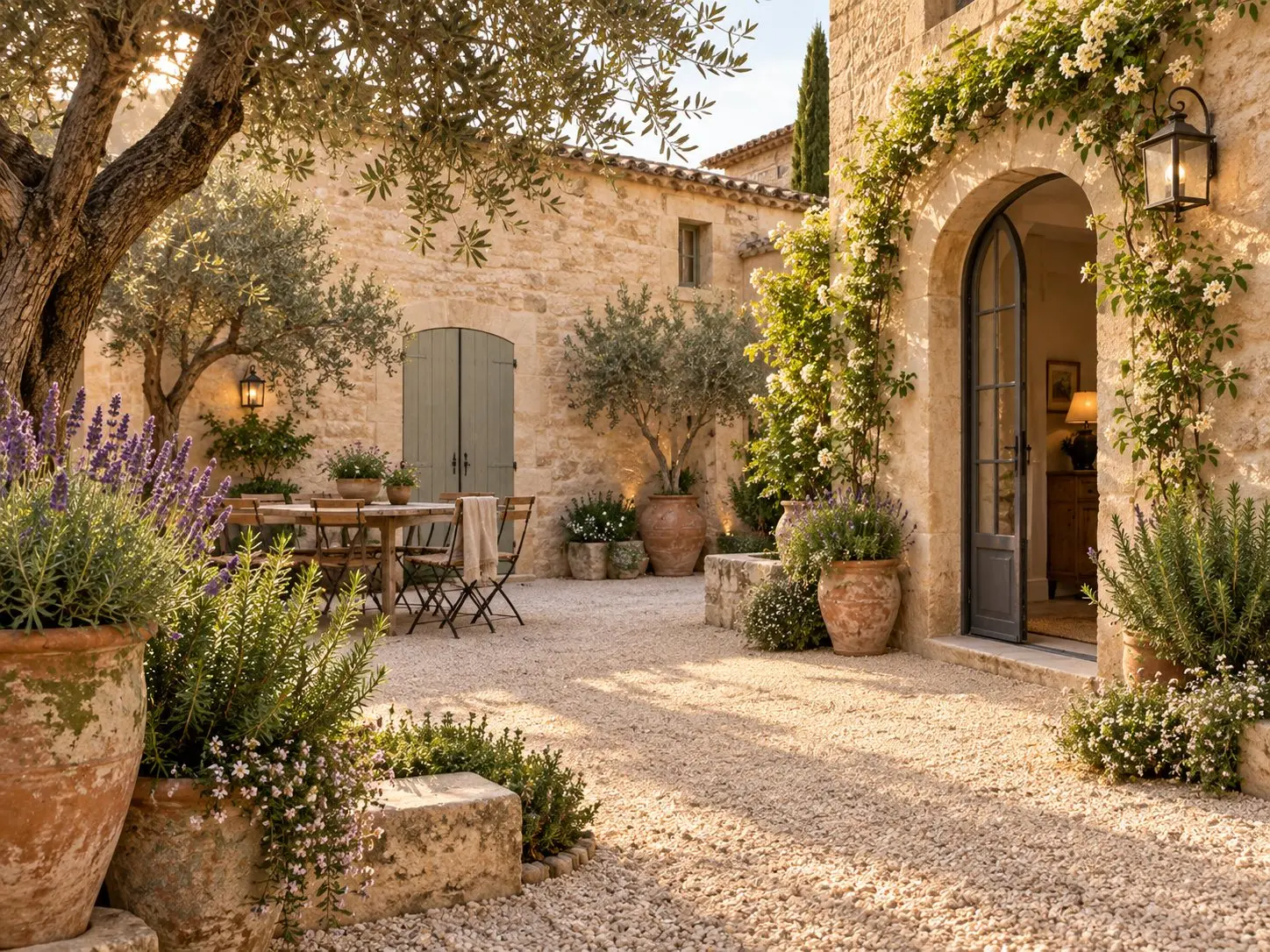
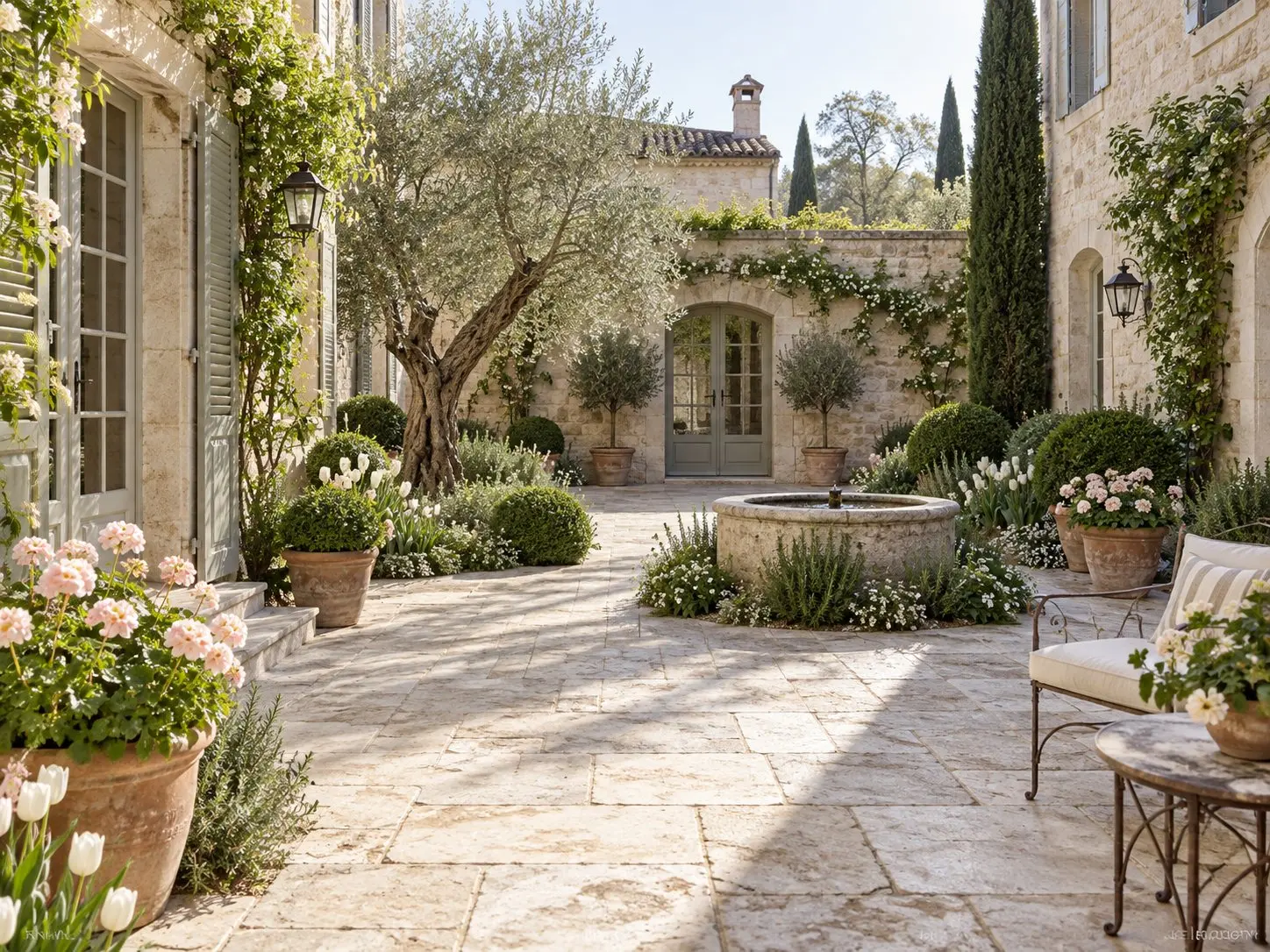
Sage-painted shutters set the palette for olive foliage, lavender and weathered terracotta. The result feels sun-washed, settled and effortlessly Provençal.
A mature olive tree makes a natural focal point, particularly when placed in a substantial aged terracotta pot. Its silvery foliage responds beautifully to pale plaster and muted green woodwork without introducing too much colour.
Lavender, rosemary and thyme can be repeated in small groups around the edges of the courtyard. These plants contribute fragrance and movement, but they are most elegant when used sparingly rather than planted in dense, uninterrupted masses.
A simple stone basin or wall fountain introduces the quiet sound of water. Choose a design that appears integrated with the architecture, as though it has always belonged there.
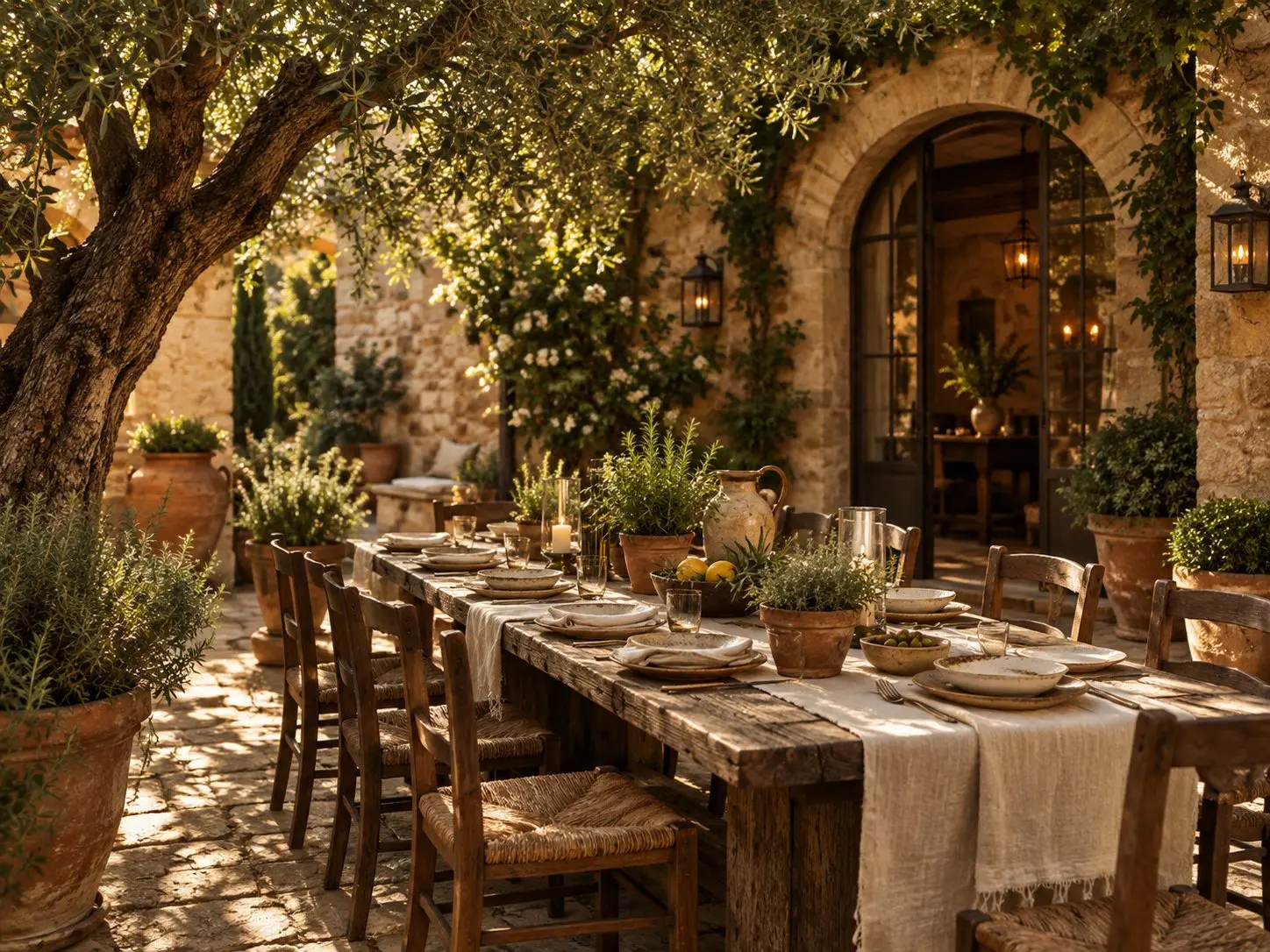
03. The Tuscan Dining Courtyard
Here, the courtyard is designed for lingering. A simple table sits within reach of rosemary and thyme, with old stone and filtered light providing all the decoration required.
A long weathered wooden table creates a natural gathering place without feeling overly formal. Linen-toned seating keeps the composition light, while terracotta pots introduce warmth against the stone.
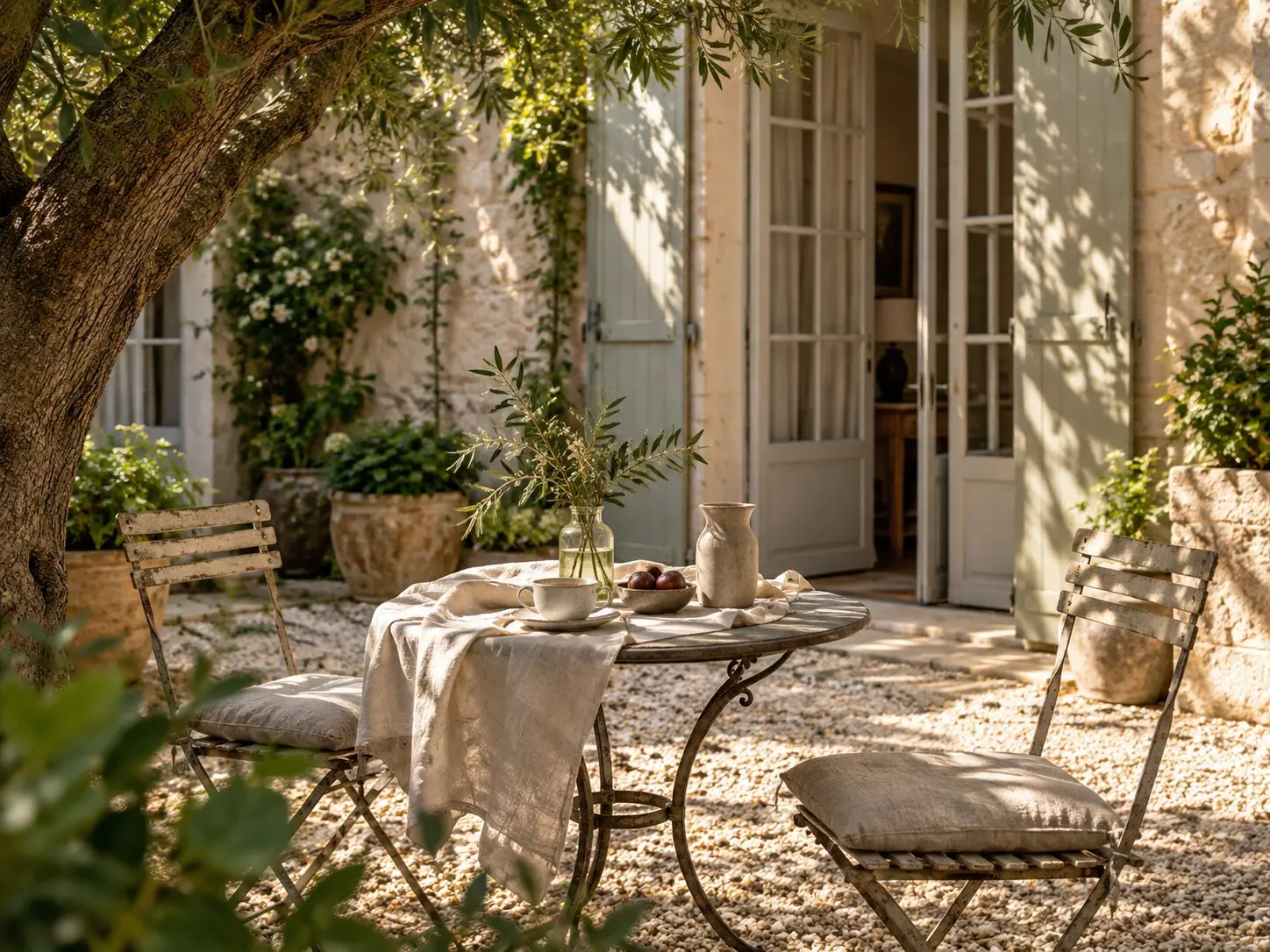
Shade is essential in a dining courtyard. An established olive tree can provide a loose canopy, allowing sunlight to filter through its branches and create moving shadows throughout the day. Where an olive tree is not suitable for the climate, a carefully selected deciduous tree can offer a similar sense of enclosure.
The table should remain the centre of the space. Avoid surrounding it with too many accessories or competing decorative elements. In a well-designed Tuscan courtyard, texture, proportion and atmosphere provide the ornament.
EXPLORE THE MEDITERRANEAN COURTYARD GARDEN GUIDE
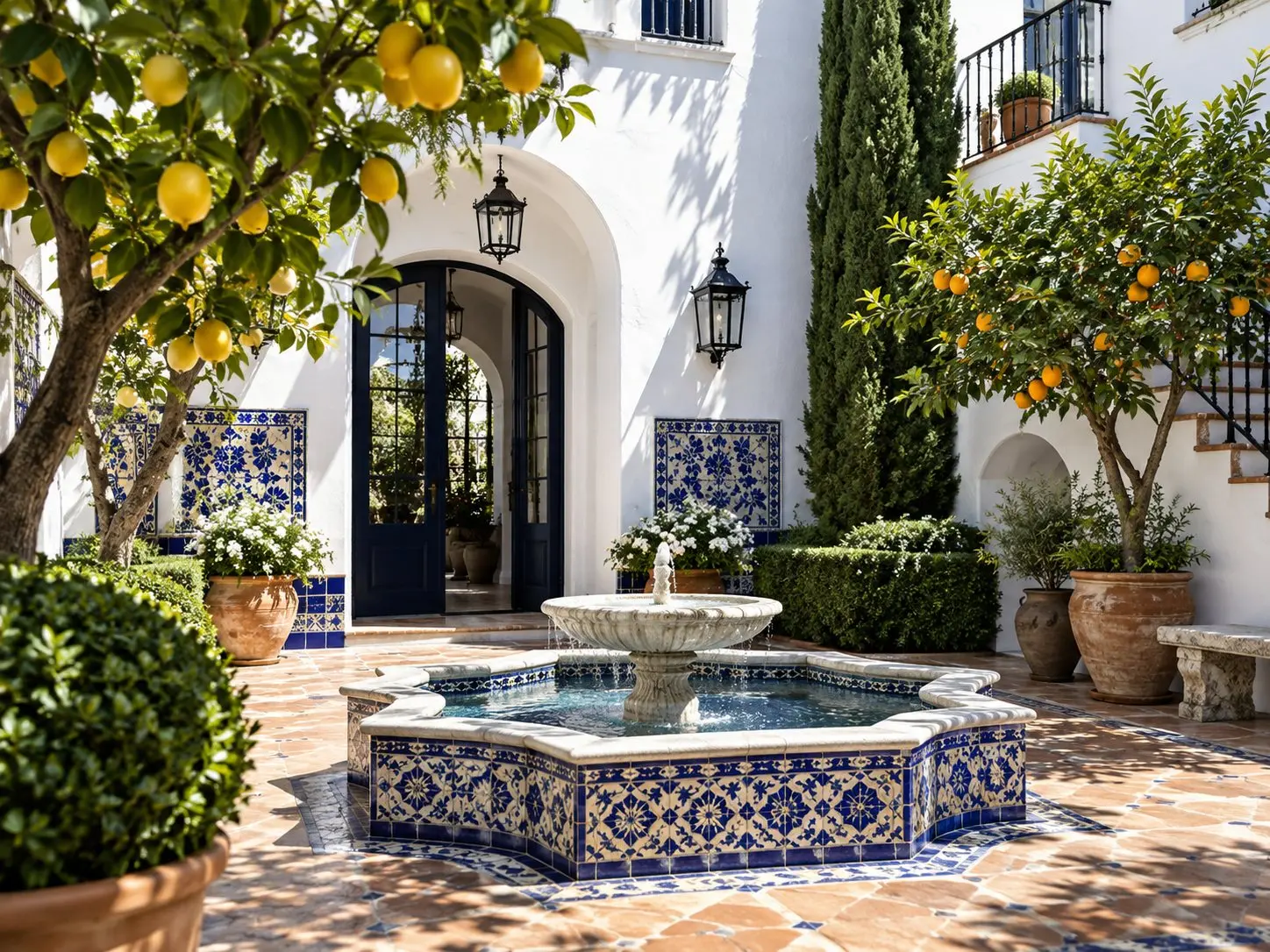
04. The Andalusian Tiled Court
Pattern is strongest when balanced by quiet planting.
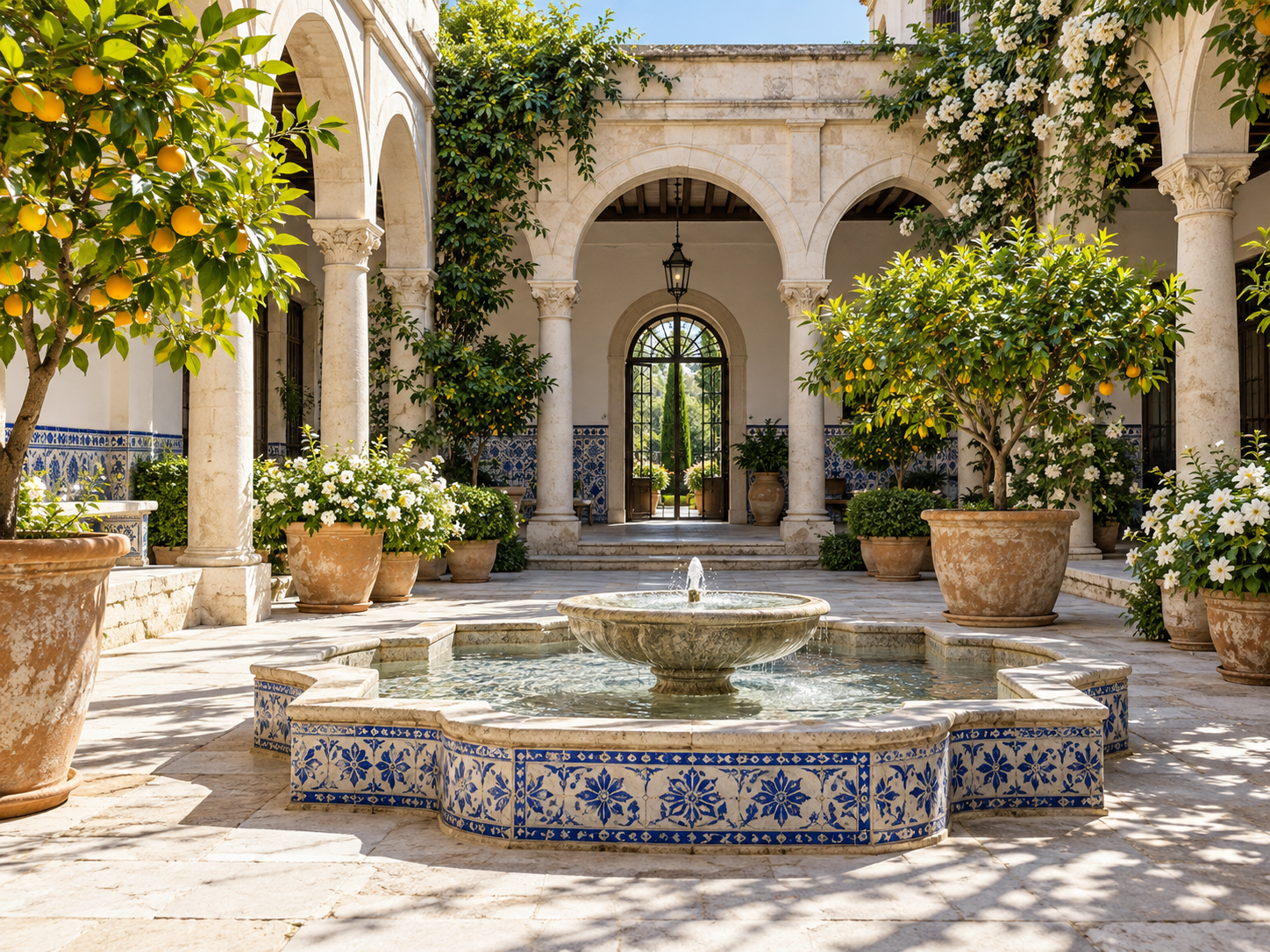
Traditional Andalusian tiles can bring remarkable colour and craftsmanship to an enclosed courtyard, but they are most effective when used with restraint. A tiled fountain wall, narrow paving border or single architectural panel can become the focal point without visually overwhelming the garden.
Citrus trees in aged terracotta pots complement blue-and-cream tilework beautifully. Their dark green foliage provides structure, while the fruit introduces a warm, natural accent.
Keep the remaining planting subdued. Clipped evergreens, small white flowers and simple foliage allow the tile pattern to remain prominent. Pale stone paving and softly rendered walls help unite the different materials.
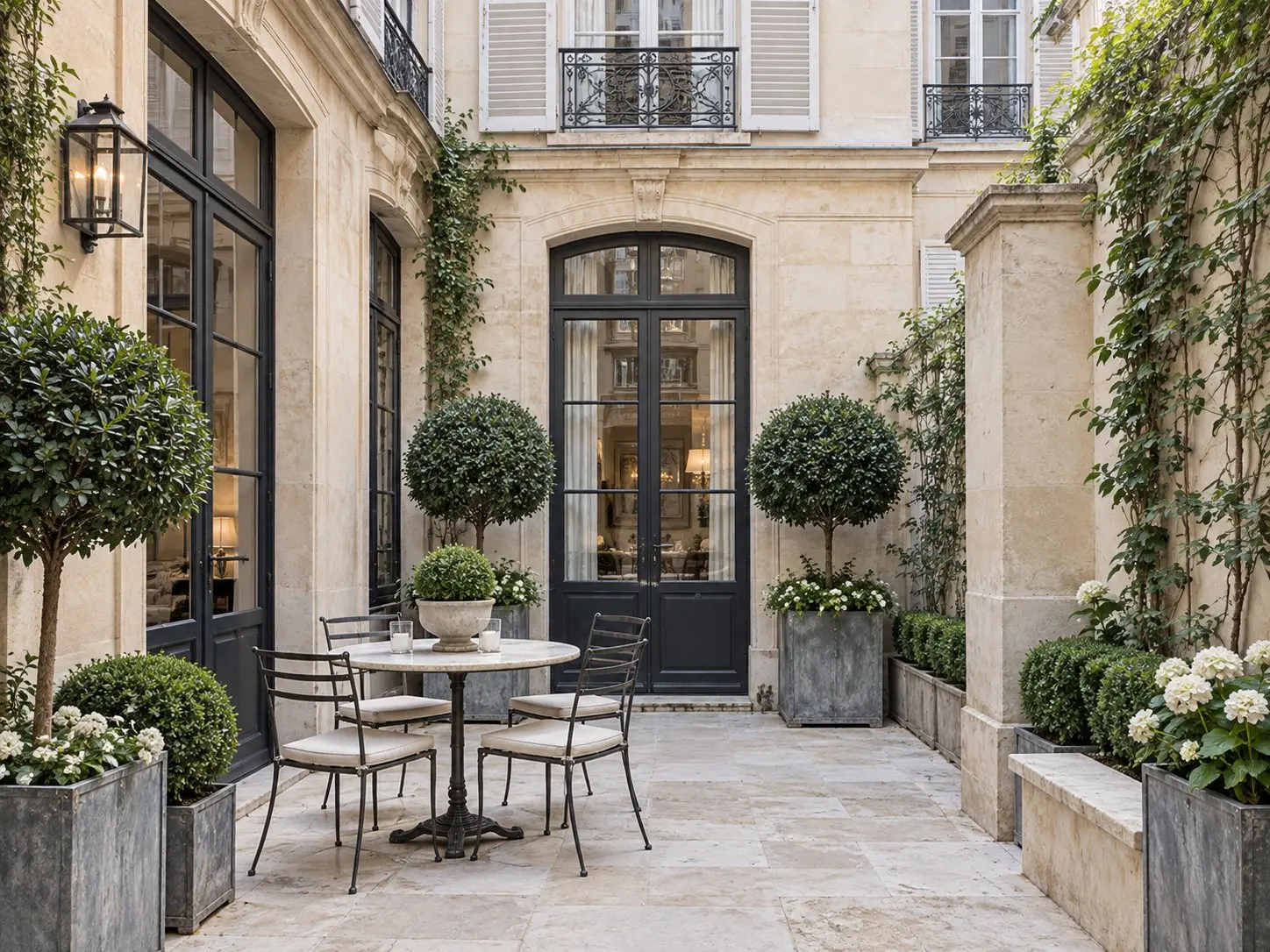
05. A Parisian Townhouse Courtyard
Limited materials make a small space feel composed.
A Parisian courtyard often relies more heavily on architecture than abundant planting. Tall windows, limestone façades and beautifully proportioned doors establish the character of the space before a single plant is added.
Large stone pavers create a calm foundation. Zinc planters filled with clipped bay trees or other neatly shaped evergreens introduce greenery while reflecting the understated grey tones commonly found in Parisian architecture.
When space is limited, repetition is particularly effective. Two or three matching planters can feel more intentional than a collection of unrelated containers. The goal is not perfect symmetry, but a clear visual rhythm.
A small table, slender chair or single stone ornament may be all that is needed to make the courtyard feel inhabited.
06. The Walled English Court
Evergreen structure allows softness to come and go.
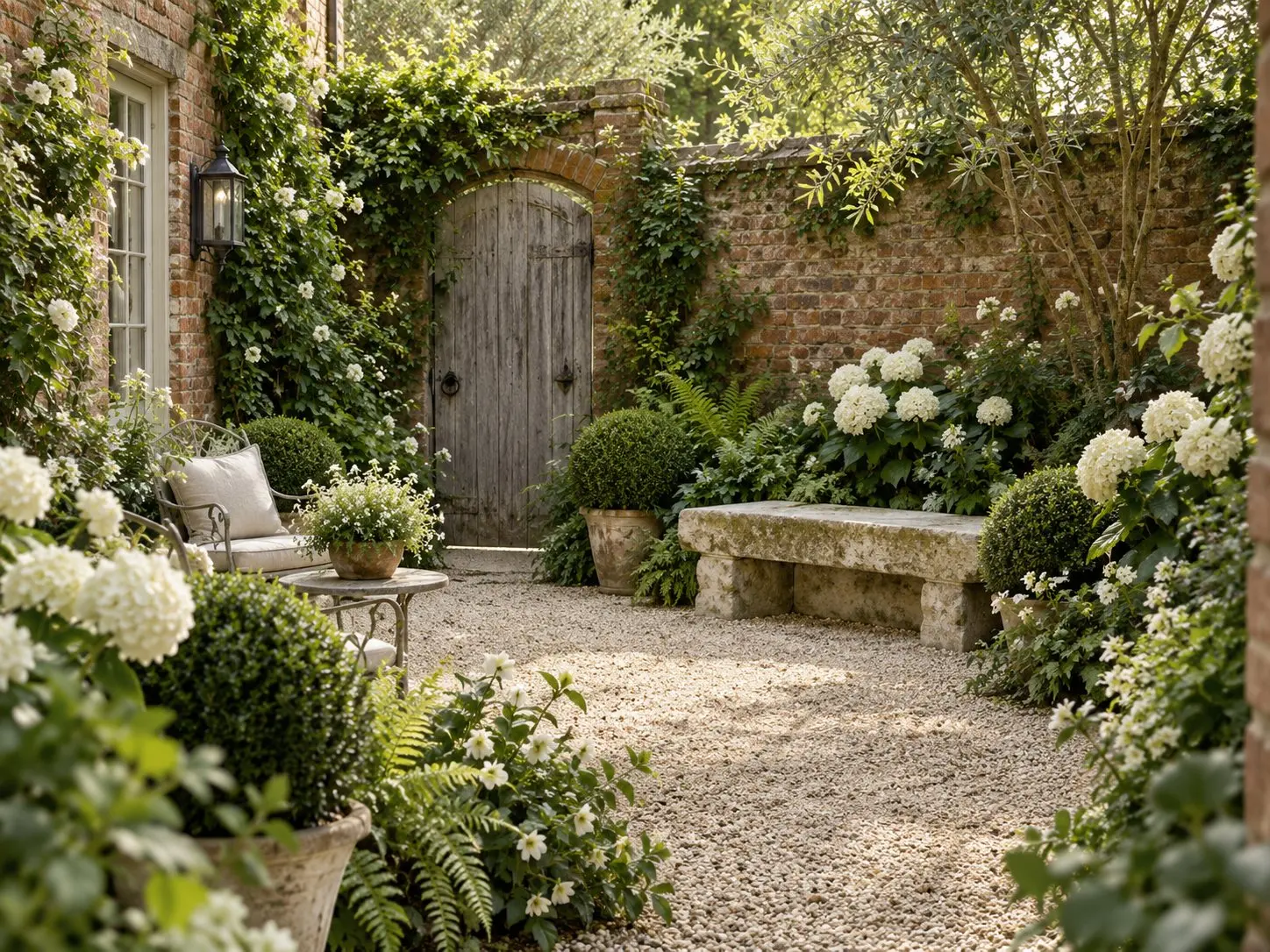
An old brick wall creates a rich backdrop for white flowers and fresh green foliage. Its irregular colour and weathered texture bring warmth to the courtyard, particularly when balanced by pale gravel and clipped evergreen shapes.
Boxwood or yew can be used to define the edges of planting beds and maintain structure through winter. Inside this framework, white hydrangeas, hellebores, ferns and airy seasonal flowers can change gradually throughout the year.
A weathered timber gate or simple stone bench strengthens the sense that the garden has evolved over time. Avoid making every bed identical. Slight variations in planting height and shape will keep the courtyard feeling natural and established.
07. The Italian Palazzo Garden
Scale and repetition lend classical calm.
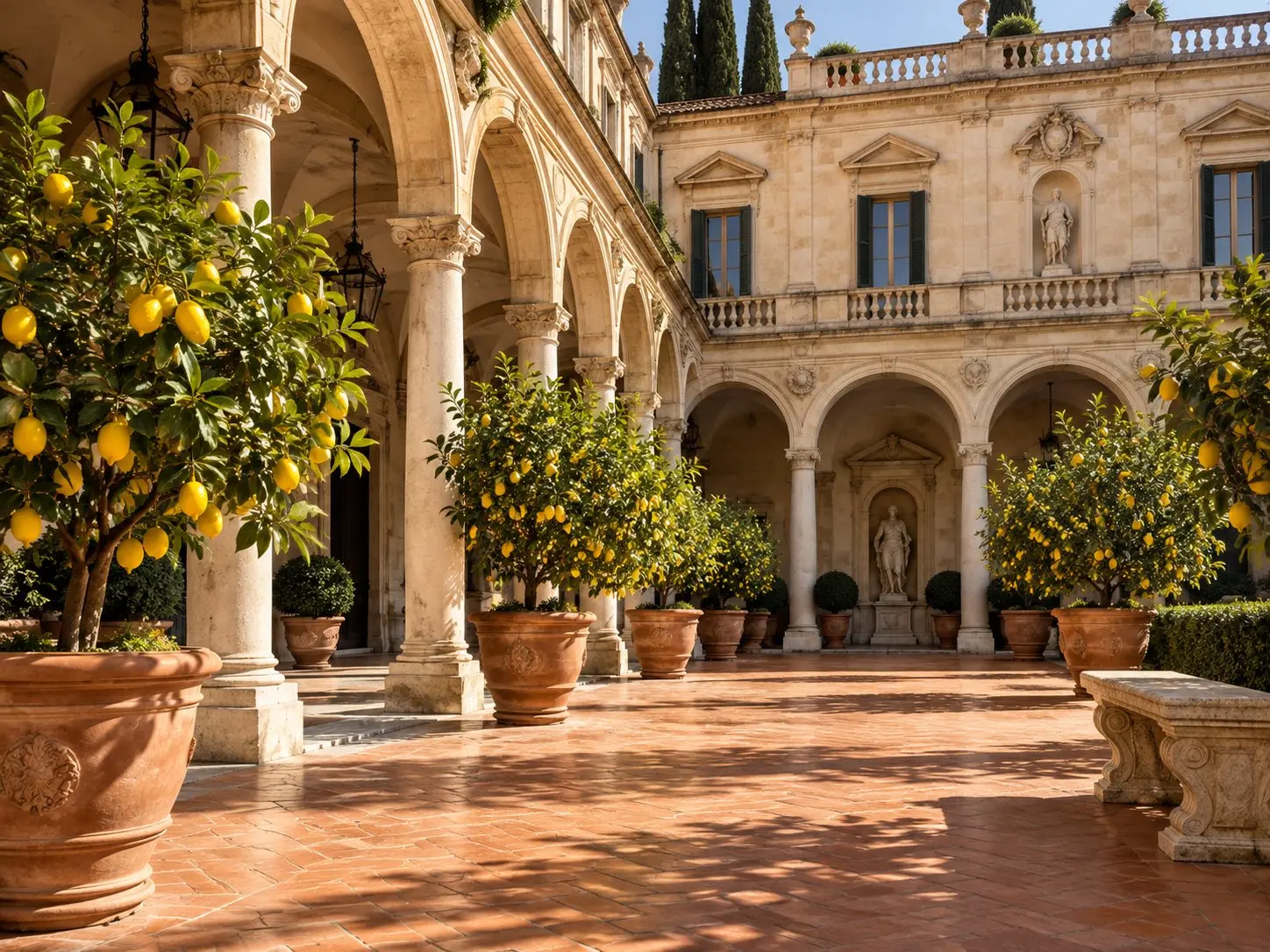
In a palazzo courtyard, architecture takes the lead. Arched openings, stone columns and generous proportions create a formal setting that calls for disciplined planting.
Repeated lemon trees in large terracotta pots are a timeless choice. Their sculptural forms soften the surrounding stone while maintaining the order and rhythm of the architecture.
Fine gravel provides a quiet surface underfoot, allowing the sound of footsteps to become part of the experience. Low evergreen planting can be used to frame the courtyard, but it should not conceal the architectural details.
A single stone bench offers a place to pause without interrupting the composition. The atmosphere should feel gracious and settled rather than heavily decorated.
EXPLORE THE MEDITERRANEAN COURTYARD GARDEN GUIDE
08. A Quiet Belgian Courtyard
Texture replaces ornament in this restrained garden.
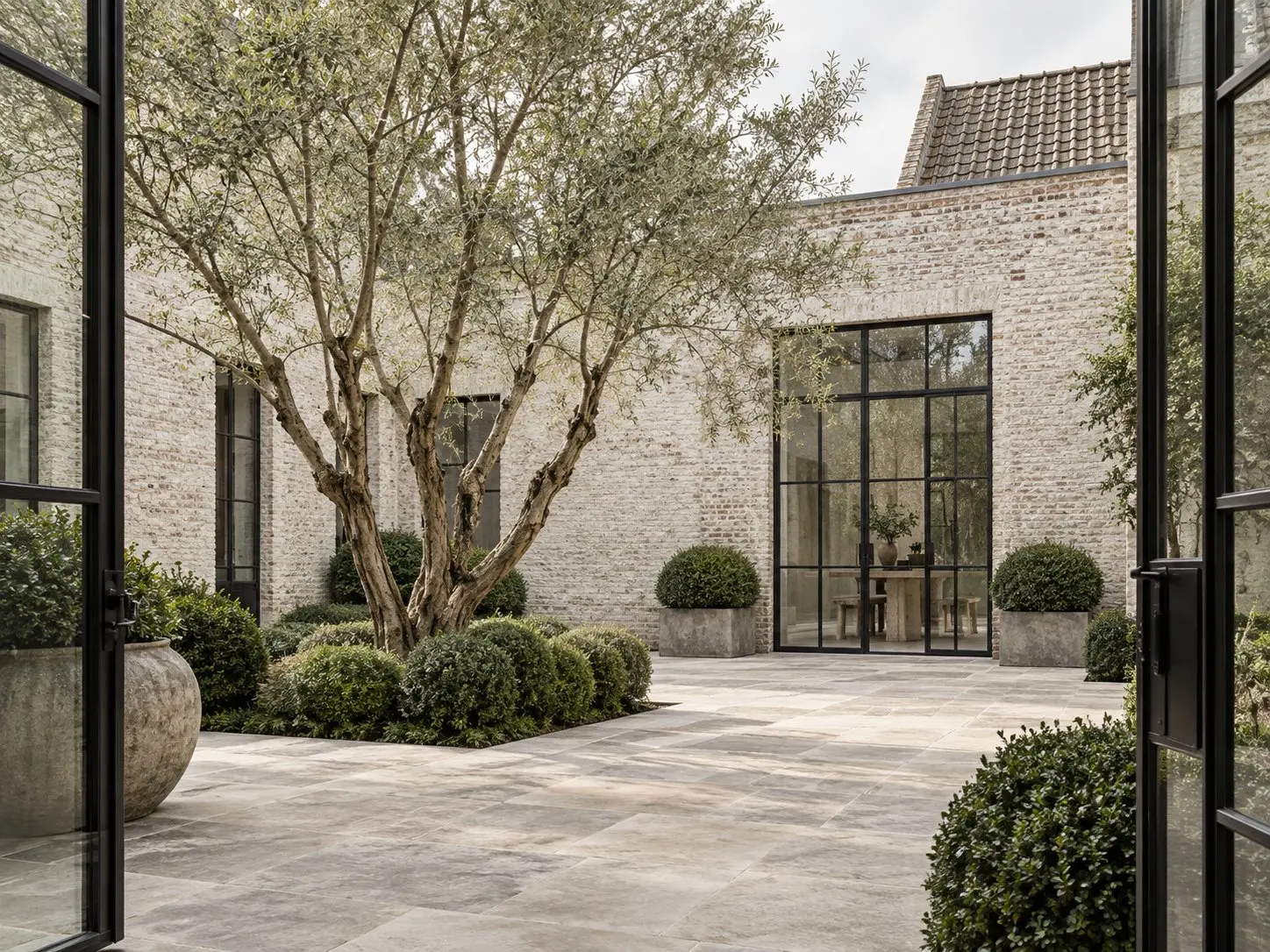
Belgian courtyard design often combines historic materials with a distinctly pared-back sensibility. Limewashed brick, honed limestone and dark steel-framed windows create subtle contrast without relying on decorative colour.
Planting may consist of only a few strong elements: clipped evergreen spheres, a delicate multi-stemmed tree and a restrained layer of shade-tolerant foliage. Because the palette is limited, the texture and form of each plant become especially important.
Weathered terracotta can introduce warmth, while black or dark bronze details connect the garden to the architecture. Allow generous areas of paving to remain open so that shadows can move across the courtyard throughout the day.
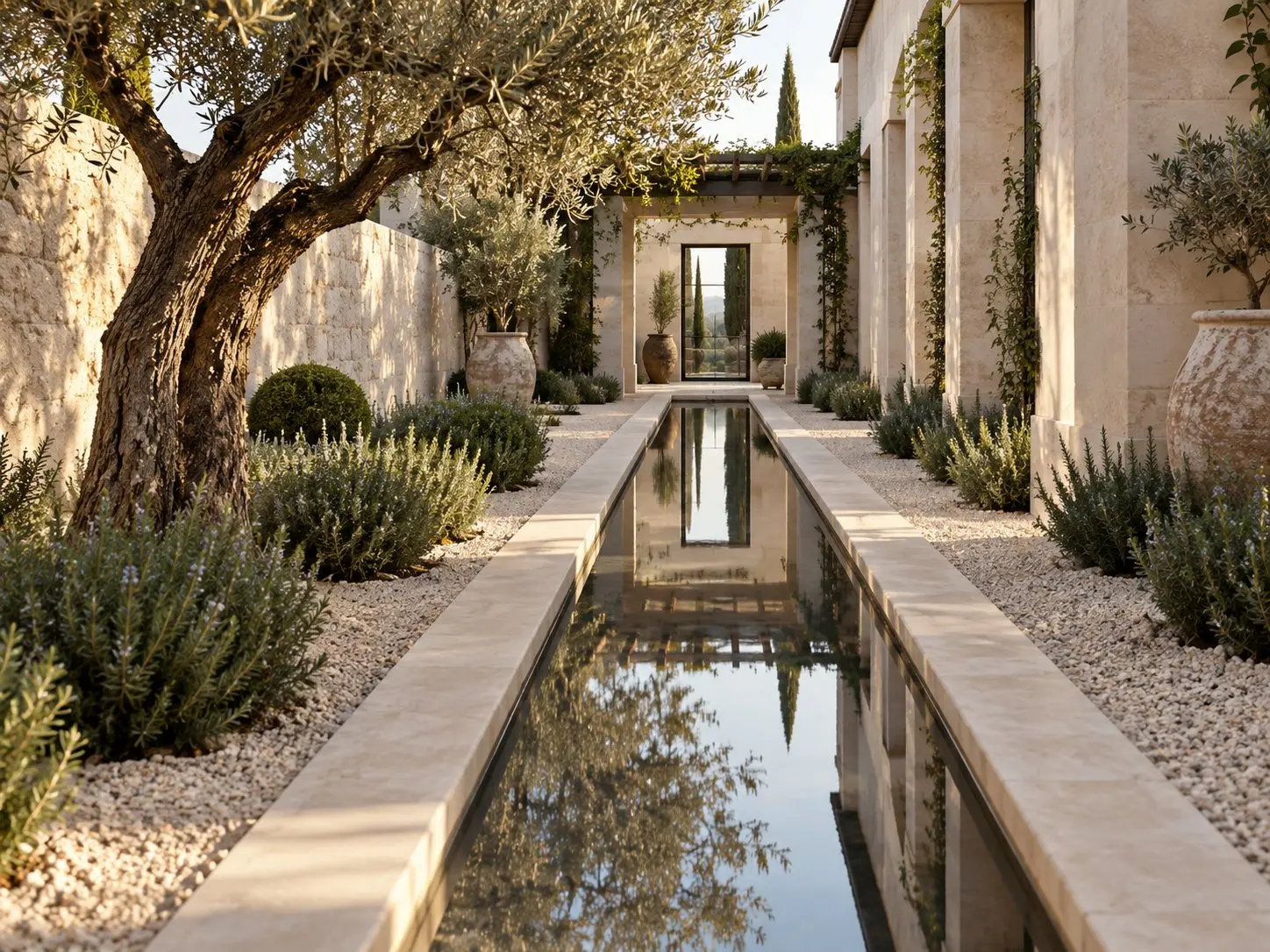
09. The Mediterranean Water Court
Still water brings light, sound and coolness.
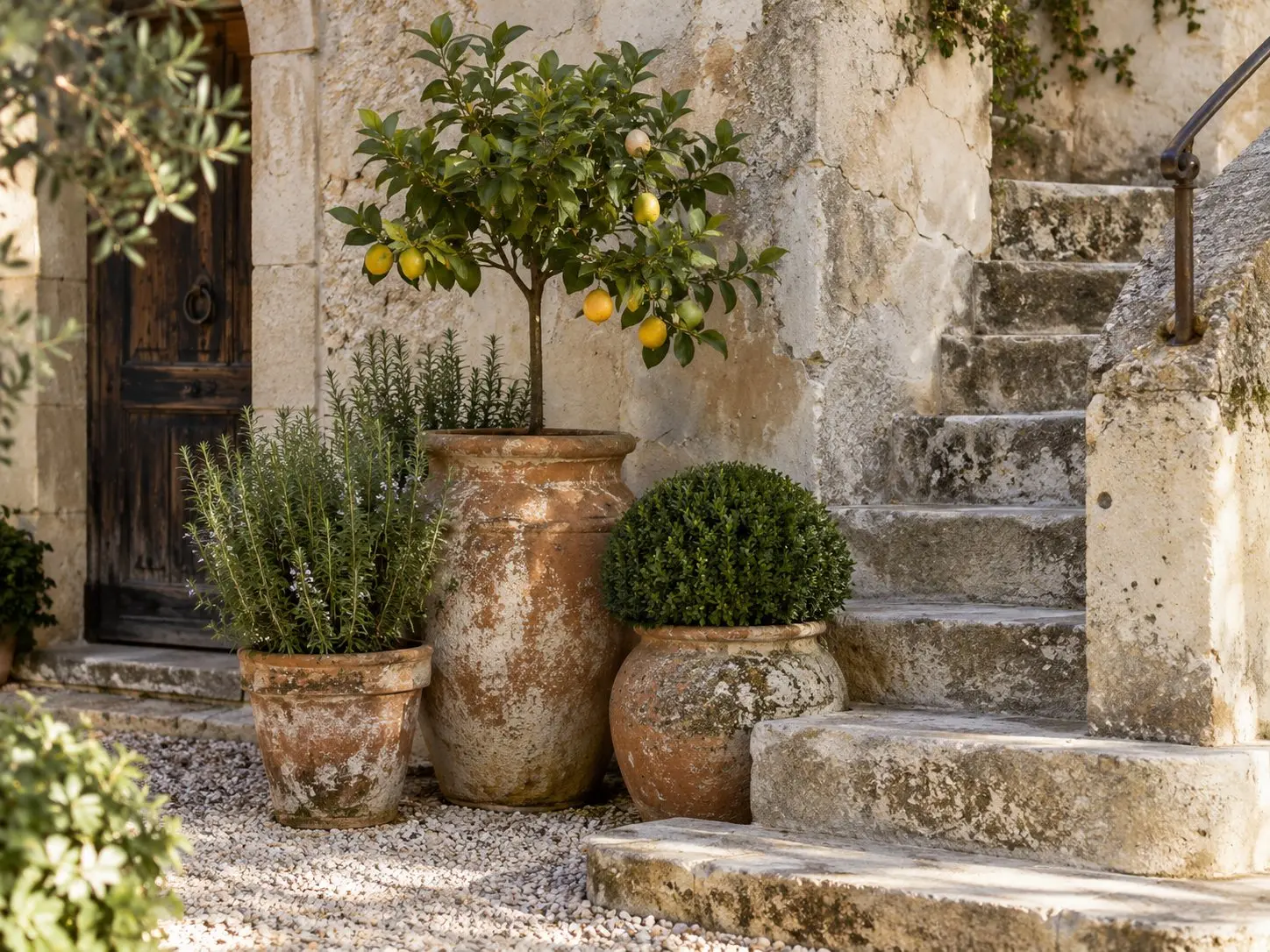
A narrow stone rill can transform the atmosphere of a courtyard without dominating it. Its reflective surface captures the sky and surrounding architecture, while the gentle movement of water adds softness to an otherwise structured space.
The simplest designs are often the most effective. A long rectangular basin, built from the same limestone used elsewhere in the courtyard, feels more enduring than an elaborate freestanding feature.
One mature olive tree can anchor the composition. Lavender, rosemary and other drought-tolerant plants may be placed in small, repeated groups, leaving plenty of gravel visible between them.
Water features require appropriate construction, circulation and maintenance. Before installation, consult a qualified professional to ensure the basin, waterproofing and surrounding drainage are suitable for the site.
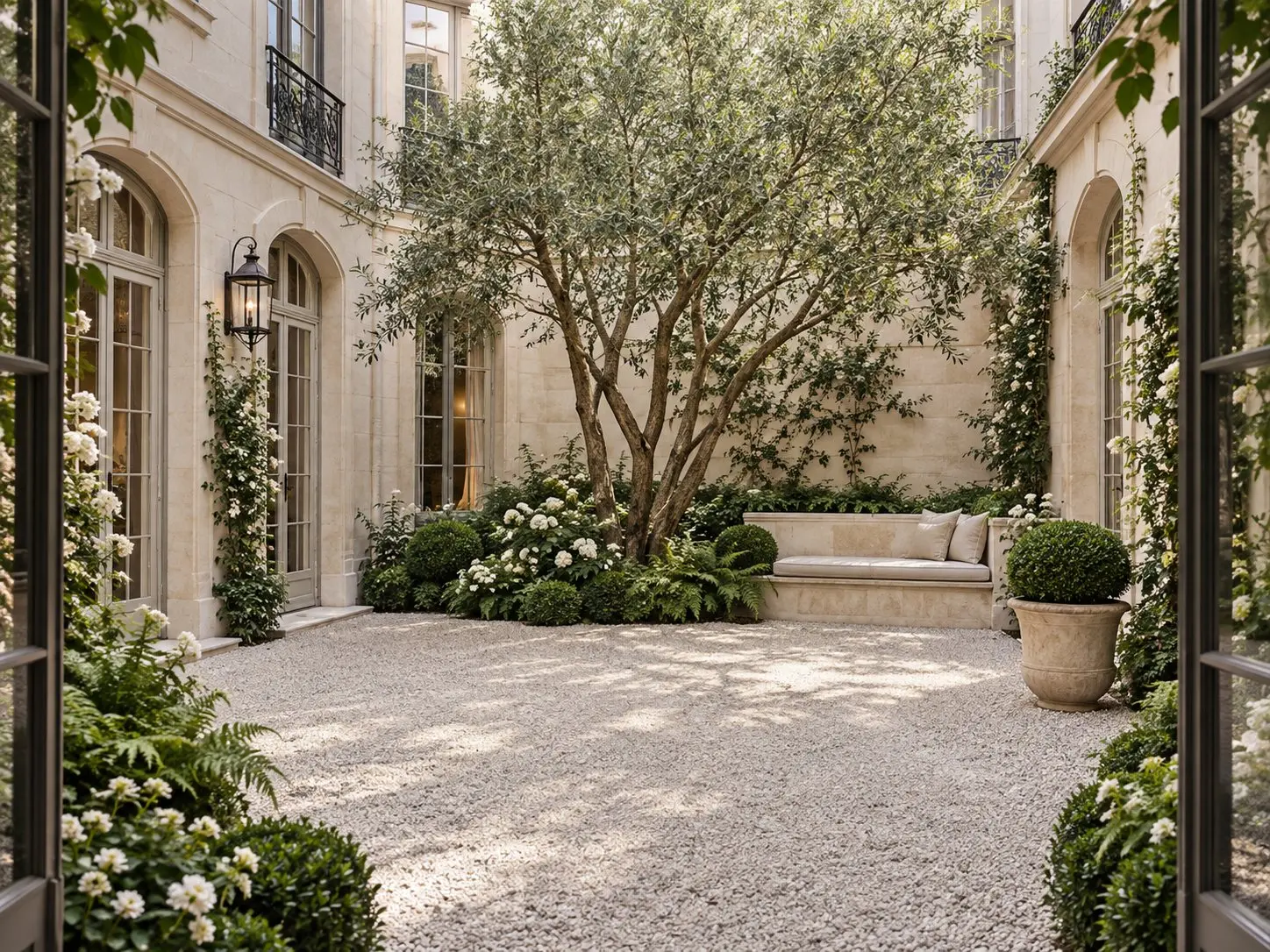
10. The Small City Courtyard
One beautiful tree can anchor an entire outdoor room.
A compact courtyard does not need many plants to feel lush. In fact, a limited collection of carefully chosen species will usually make the garden feel larger and more composed.
Begin with a sculptural tree suited to the available light and growing conditions. A multi-stemmed serviceberry can provide delicate branching, spring flowers and changing foliage without the visual weight of a larger tree.
Layer ferns, hellebores and restrained white flowers around its base, allowing the planting to remain concentrated at the edges. This preserves an open area of stone in the centre and makes circulation easier.
A simple bench introduces function without clutter. When its material echoes the surrounding architecture, it becomes part of the courtyard rather than an additional decorative object.
“The most memorable courtyards do not reveal everything at once. They invite the eye to rest, then look again.”— THE EUROPEAN GARDEN EDIT
The Courtyard Plant Palette
A restrained collection for structure, softness and scent
The most convincing courtyard planting schemes are usually built from a small number of dependable plants. Begin with structure, add one sculptural focal point and then introduce softer seasonal layers.
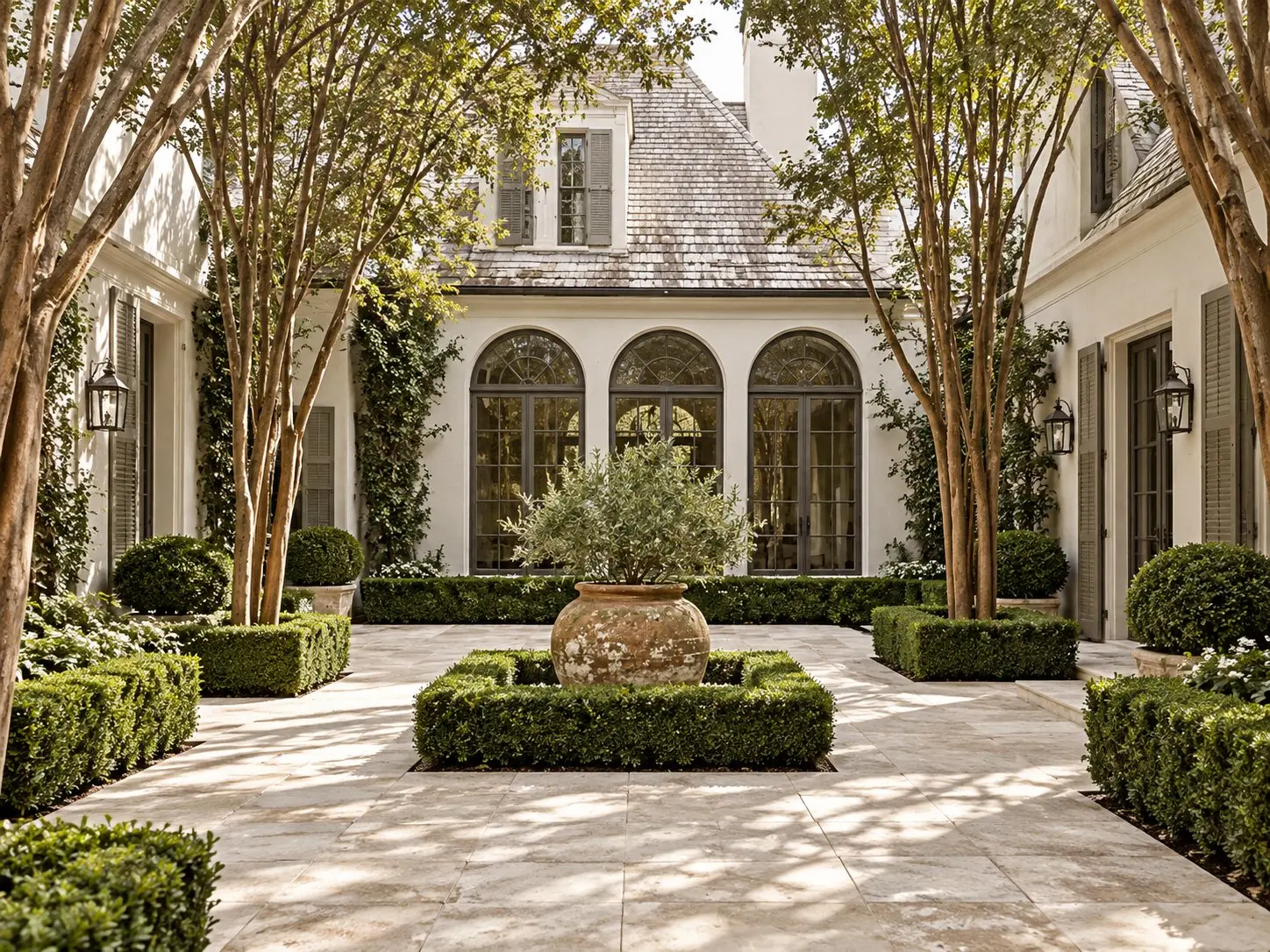
Structure
Boxwood, clipped yew and bay
Evergreens give the courtyard definition throughout the year. Use them to frame entrances, mark important corners or create a simple rhythm through repeated containers.
Where boxwood pests or disease are a concern, consider locally appropriate alternatives that provide a similarly restrained form.
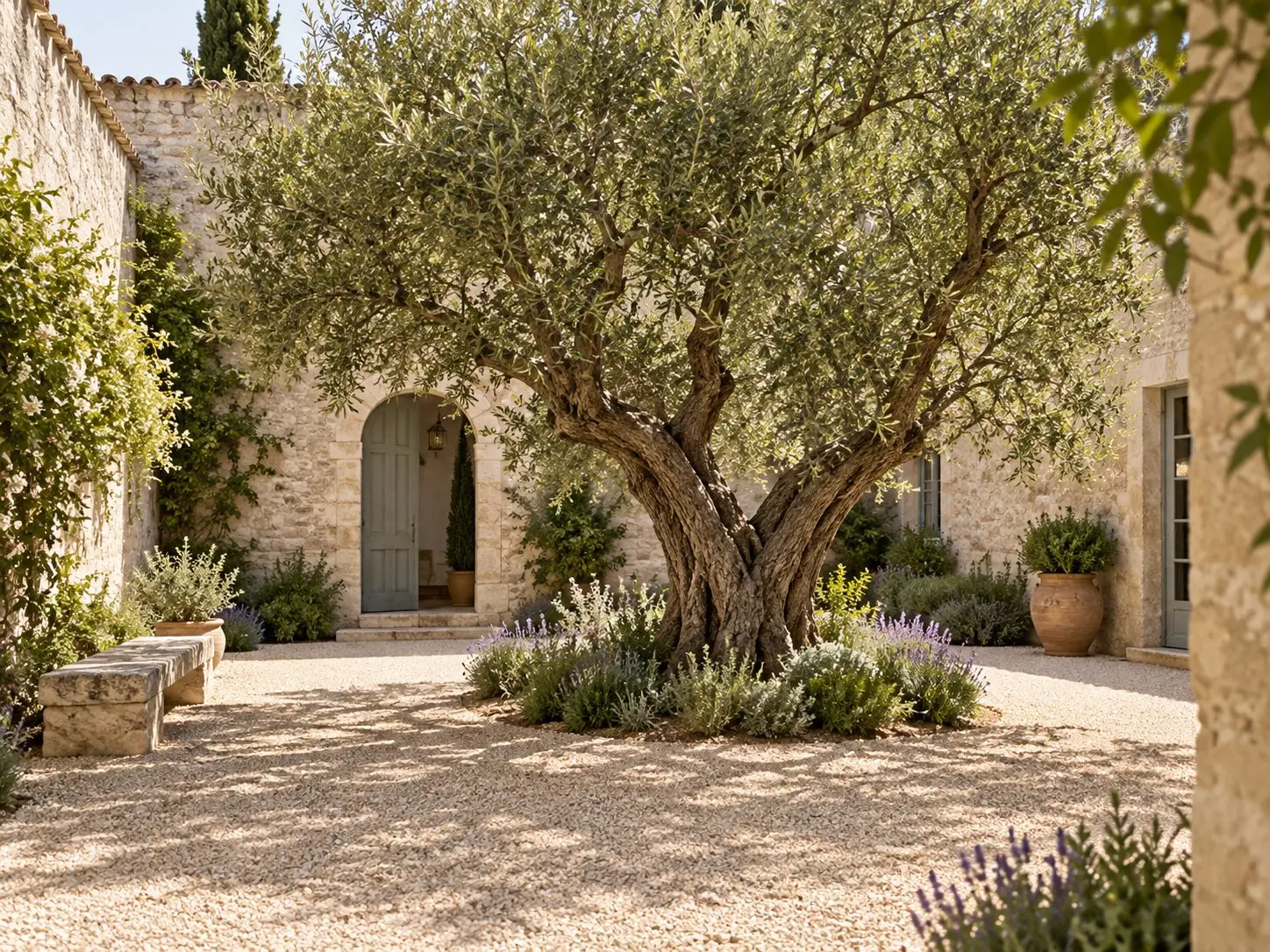
Sculptural Plants
Olive and multi-stemmed serviceberry
A single beautifully shaped tree can establish the character of the entire courtyard.
Olive trees suit warm, sheltered locations and may need winter protection in colder climates. Multi-stemmed serviceberry offers a graceful alternative for regions with cooler winters, provided the selected variety is appropriate for the available space.
Softness
White hydrangea, hellebore and fern
These plants soften stone and evergreen structure without creating an overly colourful garden.
Choose hydrangea varieties according to the courtyard’s light, available space and climate. White flowers naturally develop cream, green or parchment tones as they mature, adding subtle variation to the palette.
Scent
Lavender, rosemary and thyme
Fragrant plants are particularly effective in enclosed spaces, where their scent can linger. Position them beside paths, seating areas or warm walls, provided the courtyard receives sufficient sun and offers free-draining soil.
In cool or wet climates, containers can provide better drainage and make tender herbs easier to protect.
Seasonal Interest
White tulips, nicotiana and pale pelargonium
Seasonal flowers allow the courtyard to change without disturbing its permanent structure.
White tulips can introduce a refined spring moment, while nicotiana brings delicate summer flowers and evening fragrance. Pale pelargoniums work beautifully in terracotta containers and can be refreshed or moved as the season develops.
Designer Note
Begin with architecture and one strong evergreen shape. Add no more than two or three softer plant groups, repeating them with enough space for stone and gravel to remain visible.
A Garden Held Close
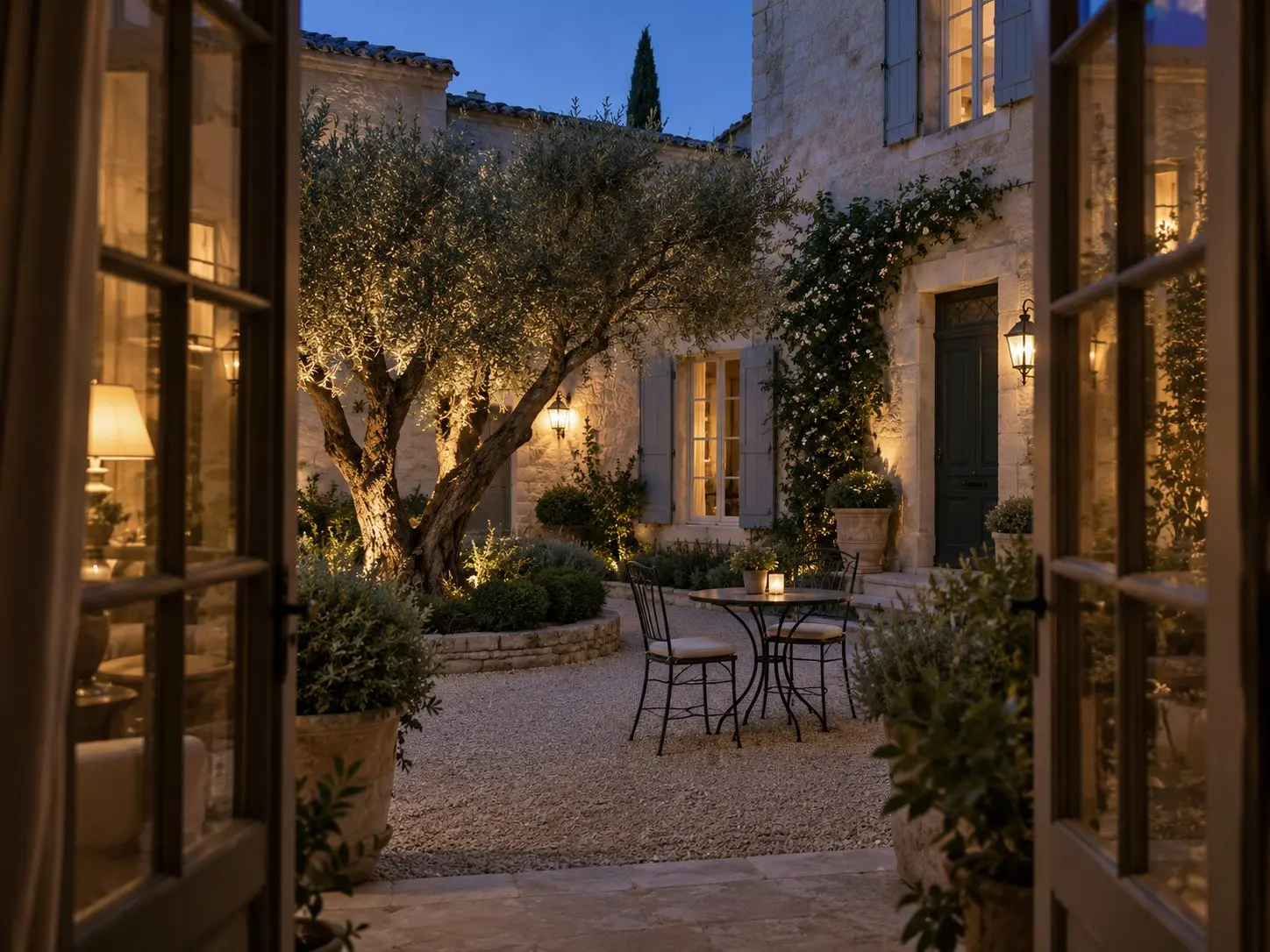
The enduring appeal of a courtyard lies in its intimacy. With fewer materials, a considered palette and room for light to move, even the smallest enclosed space can feel richly atmospheric.
There is no need to recreate a grand European estate. A single old pot, a beautiful tree, a restrained planting palette and one thoughtfully chosen stone surface can establish the same sense of permanence.
Allow the garden to evolve slowly. Terracotta will weather, stone will soften and plants will settle into their surroundings. These gradual changes are not imperfections; they are what give a courtyard its depth and character.
The most beautiful spaces feel as though they have been assembled over time—quietly, carefully and with enough restraint for every element to be appreciated.
FROM THE JOURNAL
Recent Reads
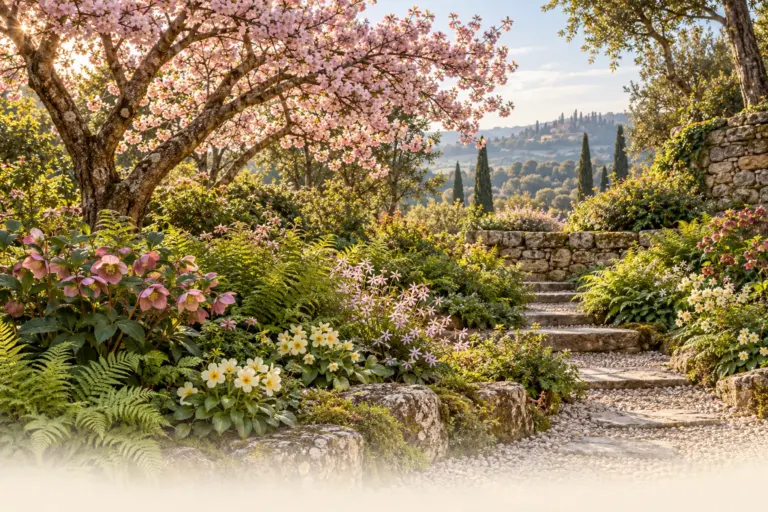
October 7, 2026
How to Choose a Garden Colour Palette: 7 Beautiful Plant Combinations
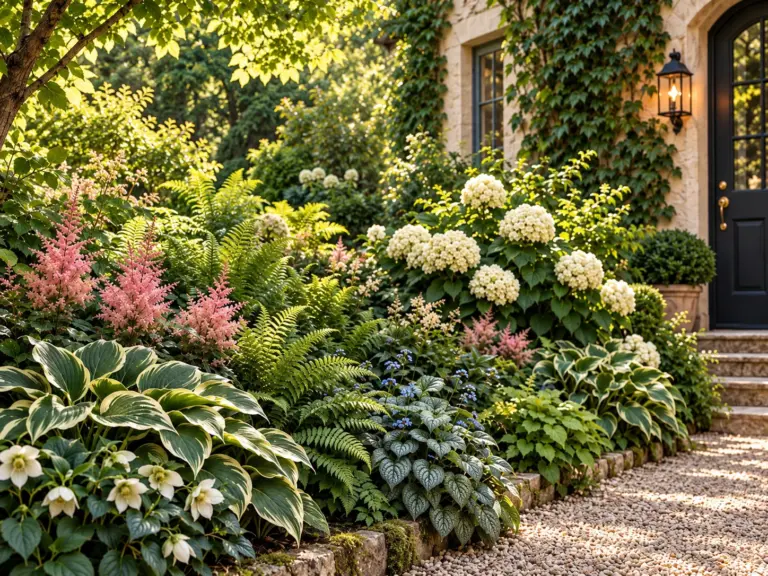
October 6, 2026
How to Design a Beautiful Shade Garden: A Simple Layering Formula
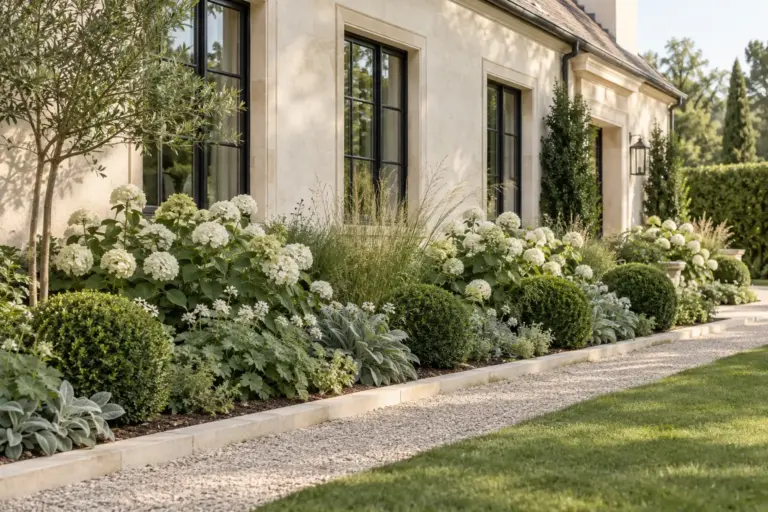
September 17, 2026
How to Design a White Hydrangea Border
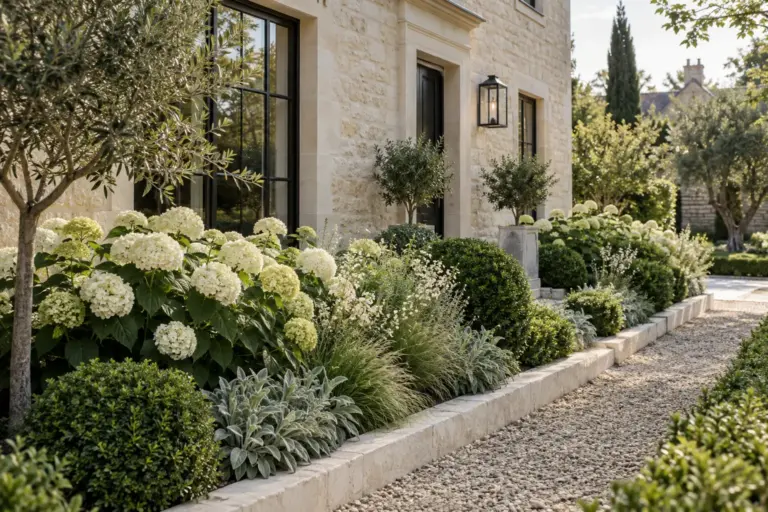
September 16, 2026
5 Beautiful Ways to Edge a Garden Border
September 12, 2026
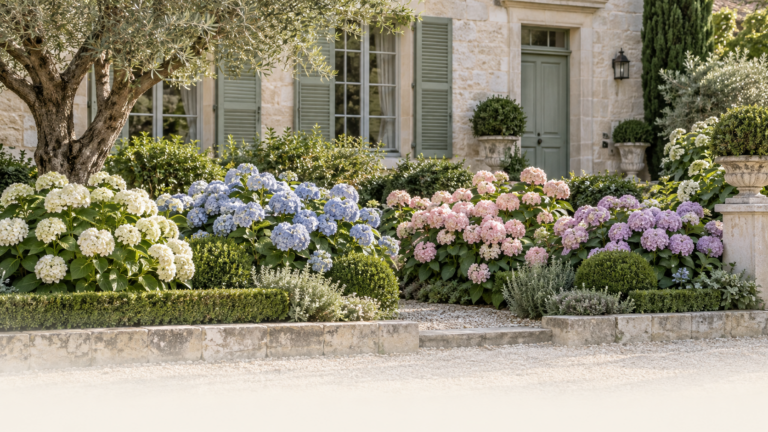
How to Choose the Right Hydrangea for Your Garden
September 10, 2026