
A Quiet Guide to the South of France
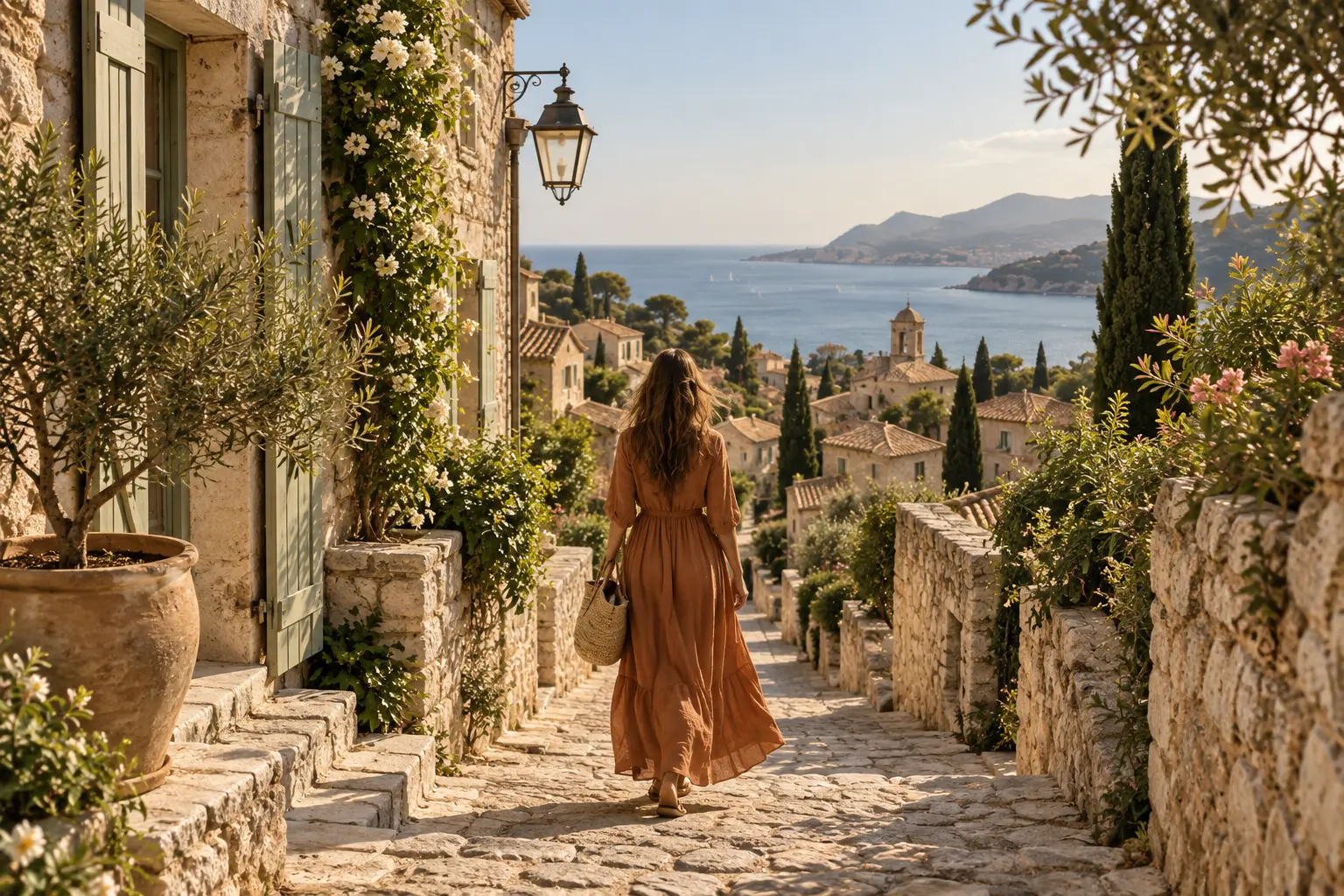
A Quiet Guide to the South of France
Slow mornings, storied villages and the art of travelling gently
The South, Slowly
There is another way to experience the South of France. It begins without a checklist. There is no race between landmarks and no need to fill every hour. Instead, the days unfold village by village, market by market and meal by meal.
Morning light reaches the limestone walls. Café chairs are set outside. Linen awnings open above small shops, and the scent of bread drifts into the street. By afternoon, shutters close against the heat and long lunches settle into the shade of olive and plane trees.
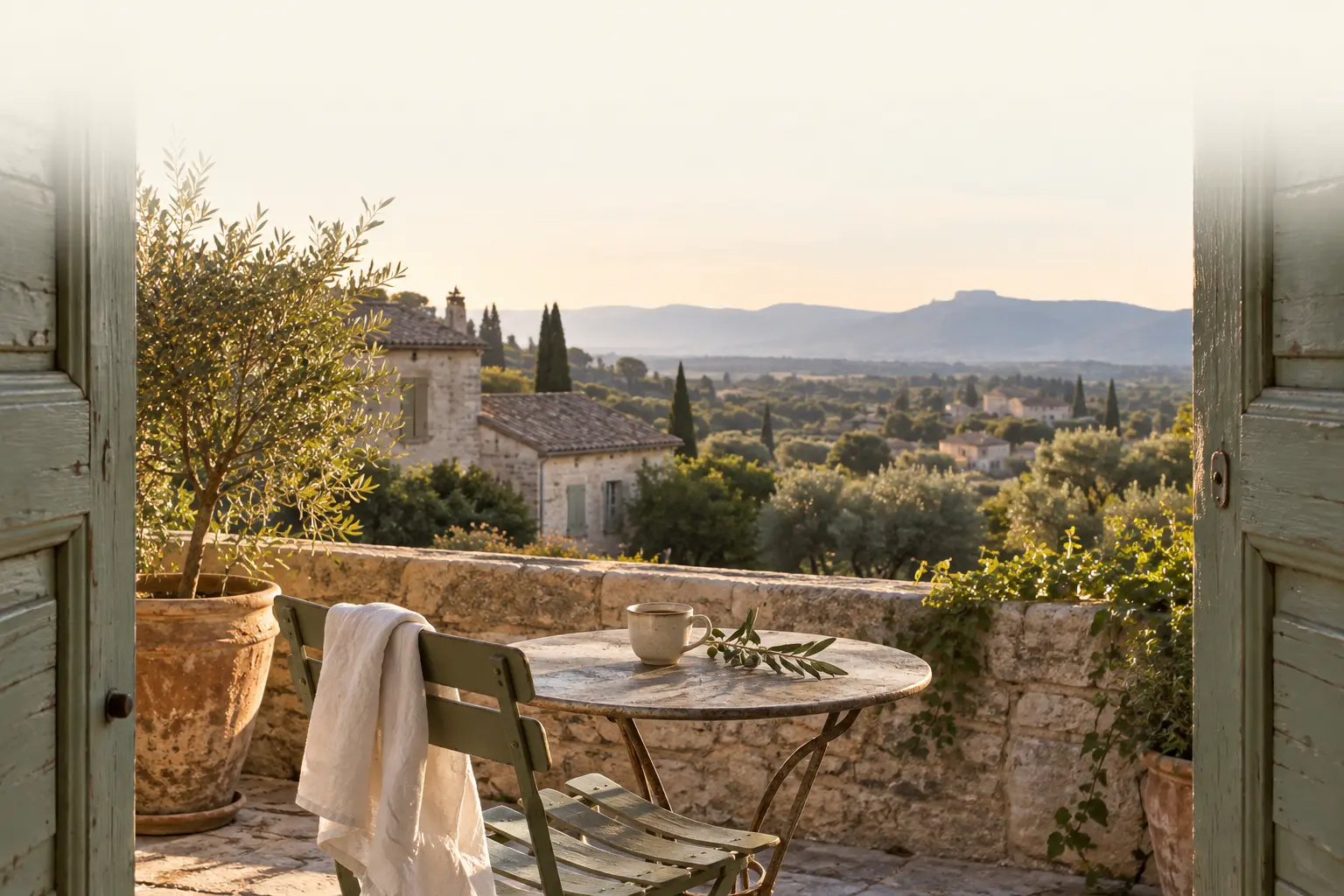
The beauty of the South is not limited to its celebrated landscapes. It lives in smaller details: faded sage shutters, gravel shifting beneath your feet, a bowl of peaches at the market and an open window overlooking silvery olive groves.
To travel here quietly is to resist the temptation to see everything. Choose fewer places. Stay a little longer. Leave room for the unexpected turn, the unplanned lunch and the village you never intended to visit.
Begin With the Villages
The villages of Provence are most beautiful before the day becomes busy. Arrive early, while the lanes are quiet and the morning light remains soft.
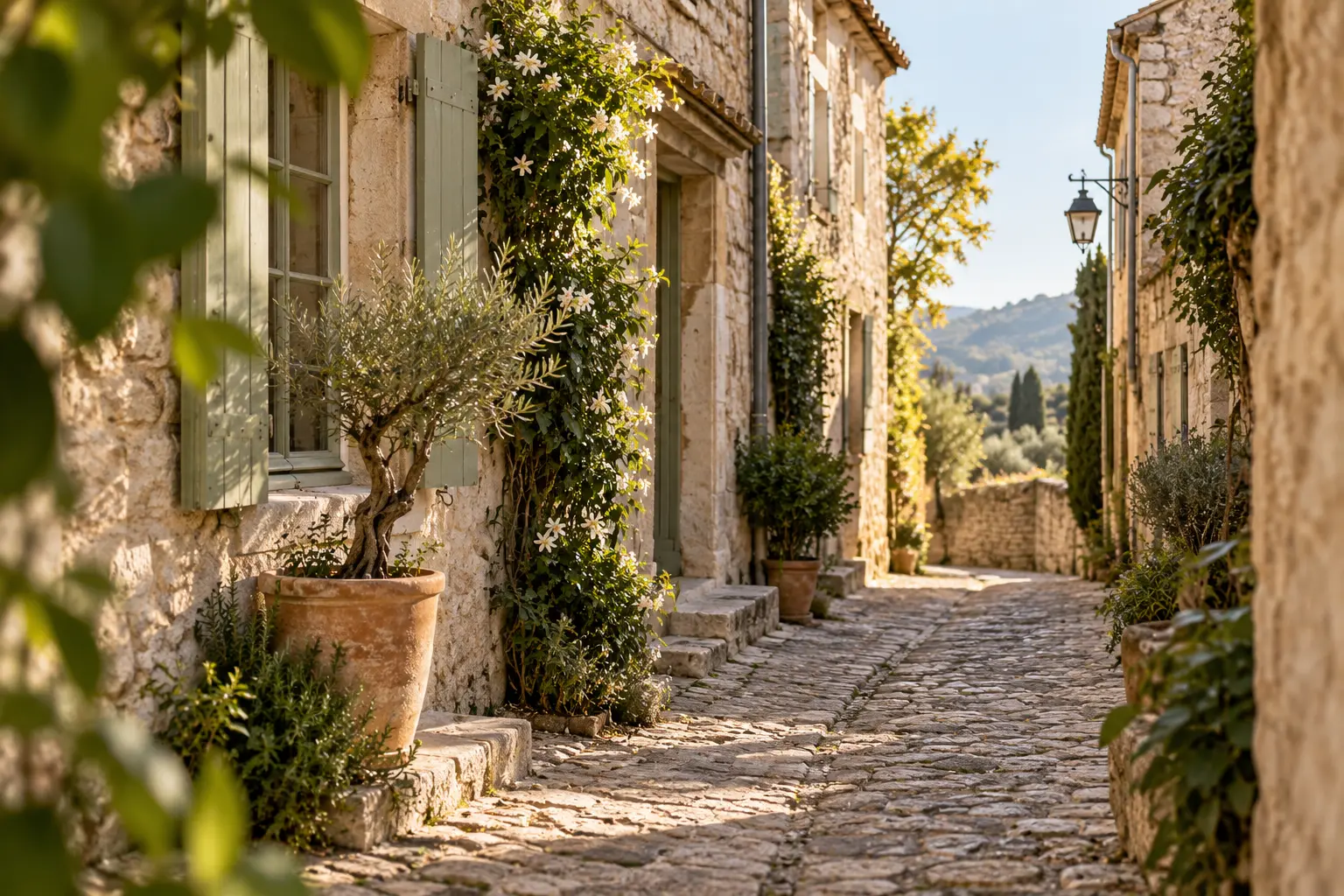
Rather than trying to visit several villages in one day, choose one as your destination. Walk without a fixed route. Follow narrow passages, climb weathered stone steps and pause whenever a courtyard, doorway or distant view catches your attention.
The most memorable moments are rarely found at the principal viewpoint. They appear along quieter streets, where potted olive trees stand beside old entrances and residents open their shutters to the morning.
Gordes
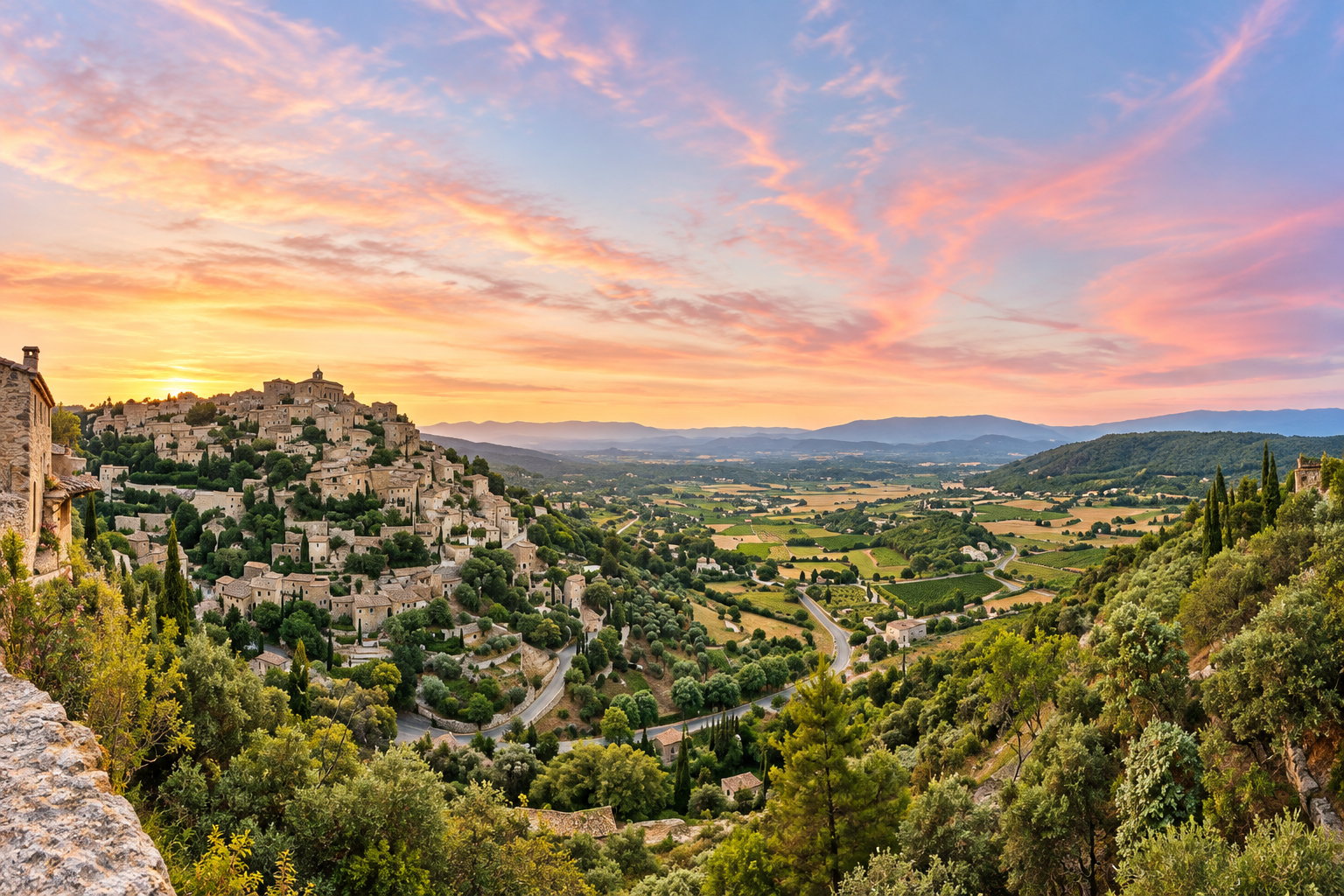
Perched above the Luberon, Gordes is one of the region’s most recognizable hilltop villages. Its limestone buildings appear to rise directly from the rock, glowing softly in the early and late light.
Visit early in the morning or toward evening. After seeing the principal view, wander away from the busiest streets. Small terraces, concealed doorways and quieter lanes reveal a more intimate side of the village.
Ménerbes
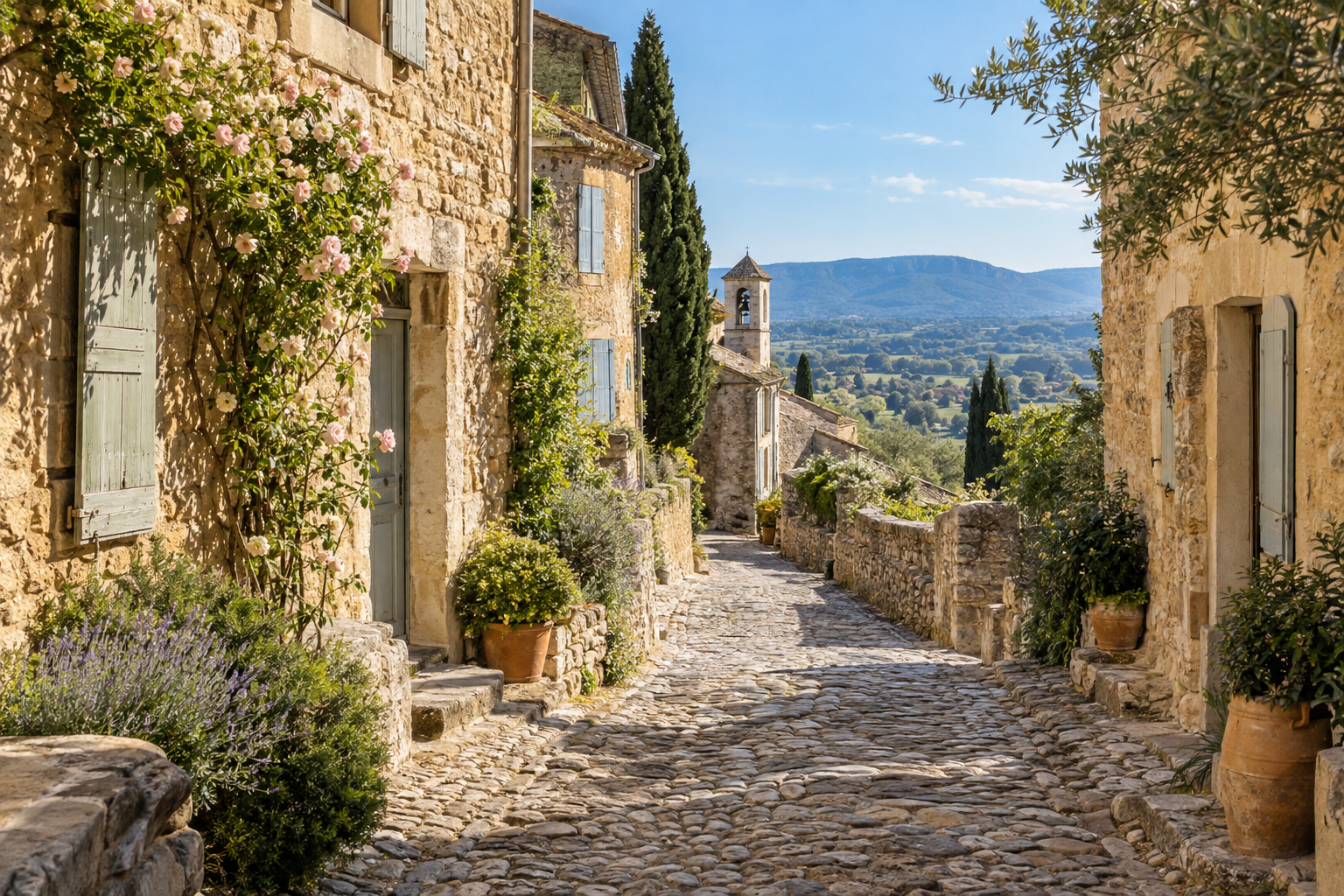
Ménerbes feels calmer and more discreet. Its stone streets, faded shutters and long views over vineyards and olive groves have a composed elegance. There is no need to search for a particular attraction. The pleasure is in the village itself.
Saint-Rémy-de-Provence
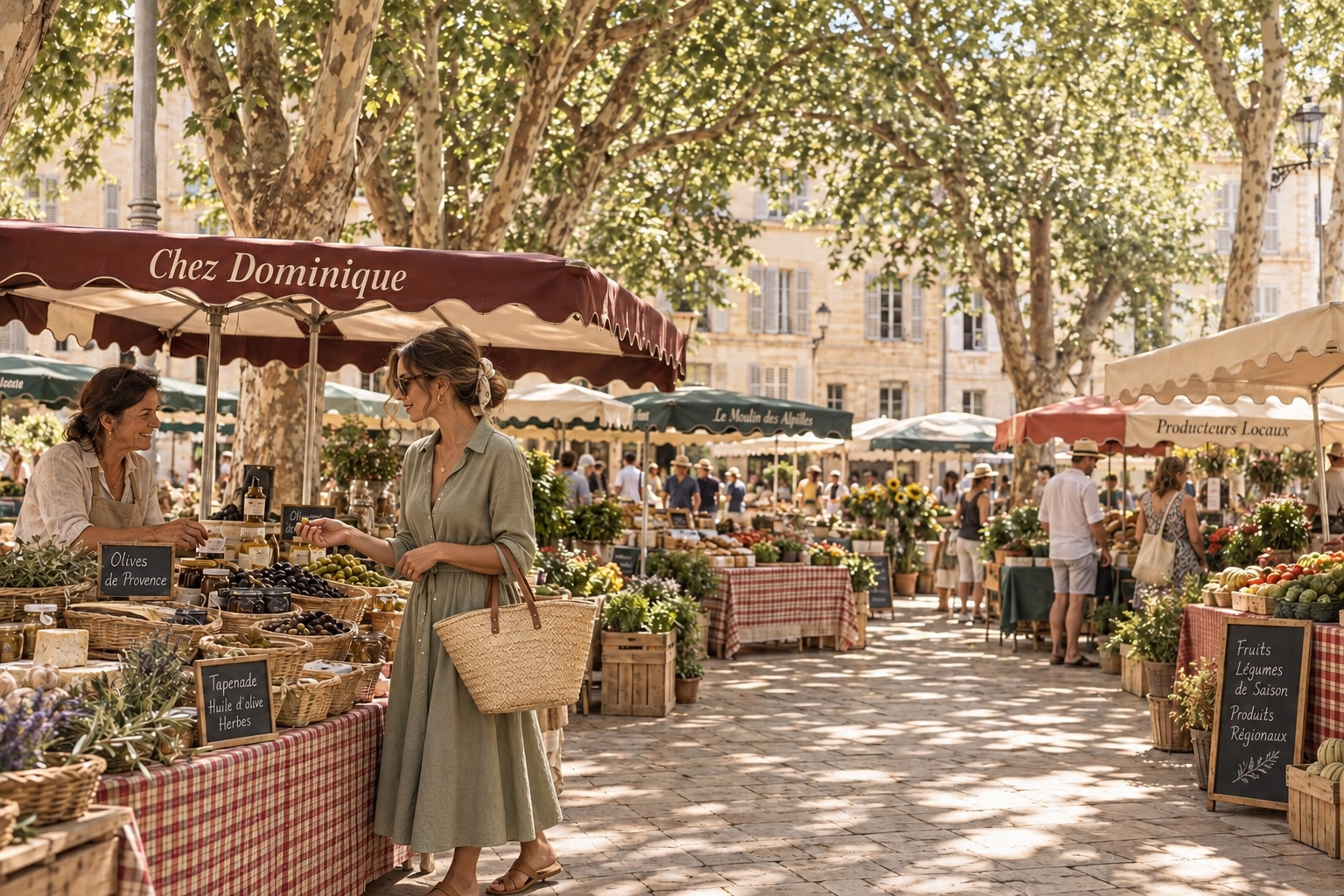
Saint-Rémy is livelier, especially on market mornings, but it retains an unmistakable sense of place. After visiting the market, move away from the central squares and explore the shaded streets and courtyards nearby.
Market Mornings
A Provençal market is best approached with curiosity instead of a shopping list.
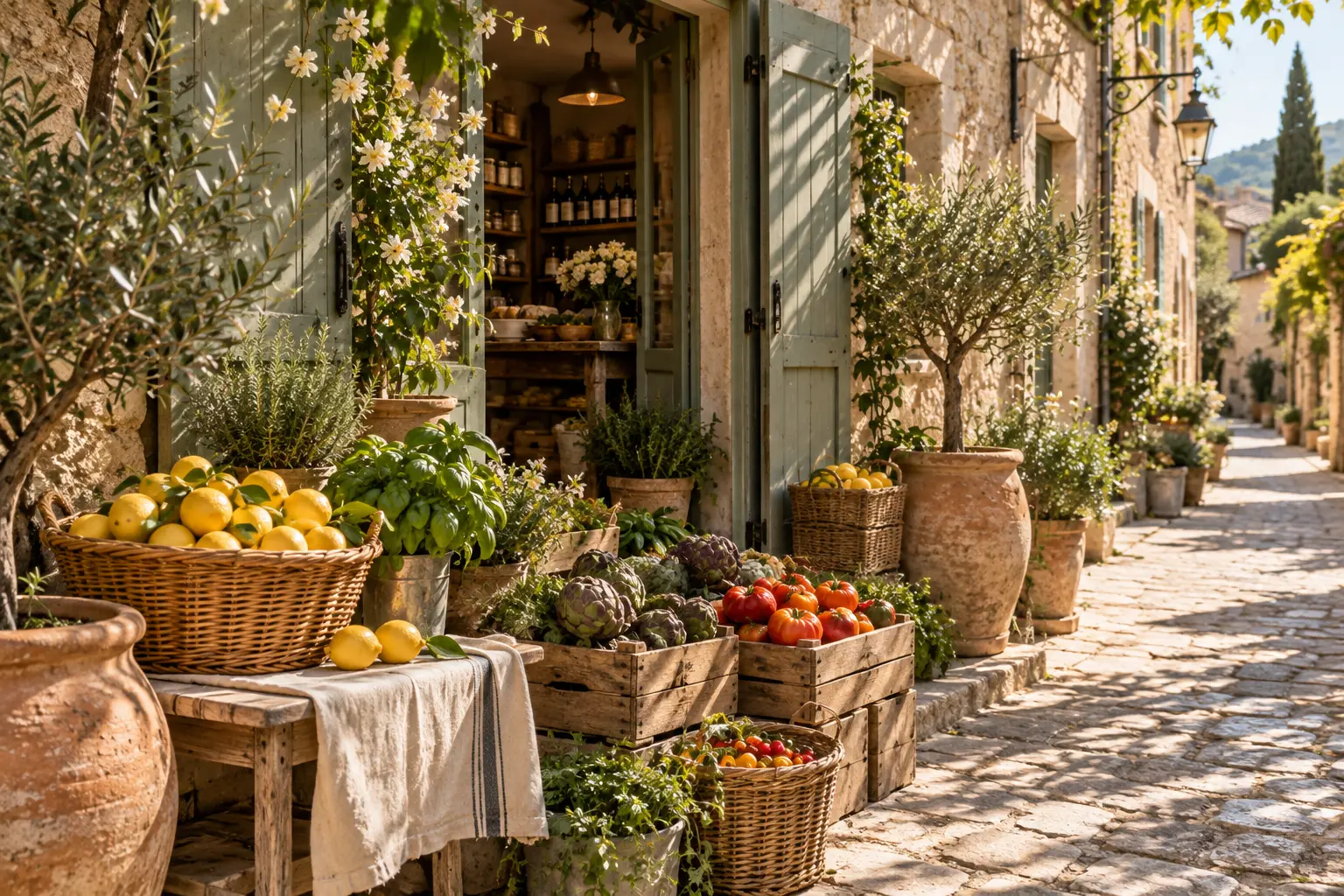
Seasonal produce is arranged in wooden crates and woven baskets. There may be tomatoes in uneven shapes, fragrant bundles of thyme and rosemary, local olive oil, linen, pottery and fruit softened by the sun.
Buy only what you can enjoy that day: peaches for later, tomatoes for lunch, a loaf of bread or a small piece of handmade pottery to bring home.
Markets are naturally busy, so arrive early and look beyond the largest stalls. Some of the most beautiful displays belong to small vendors selling only a few seasonal things.
Flowers From the Market
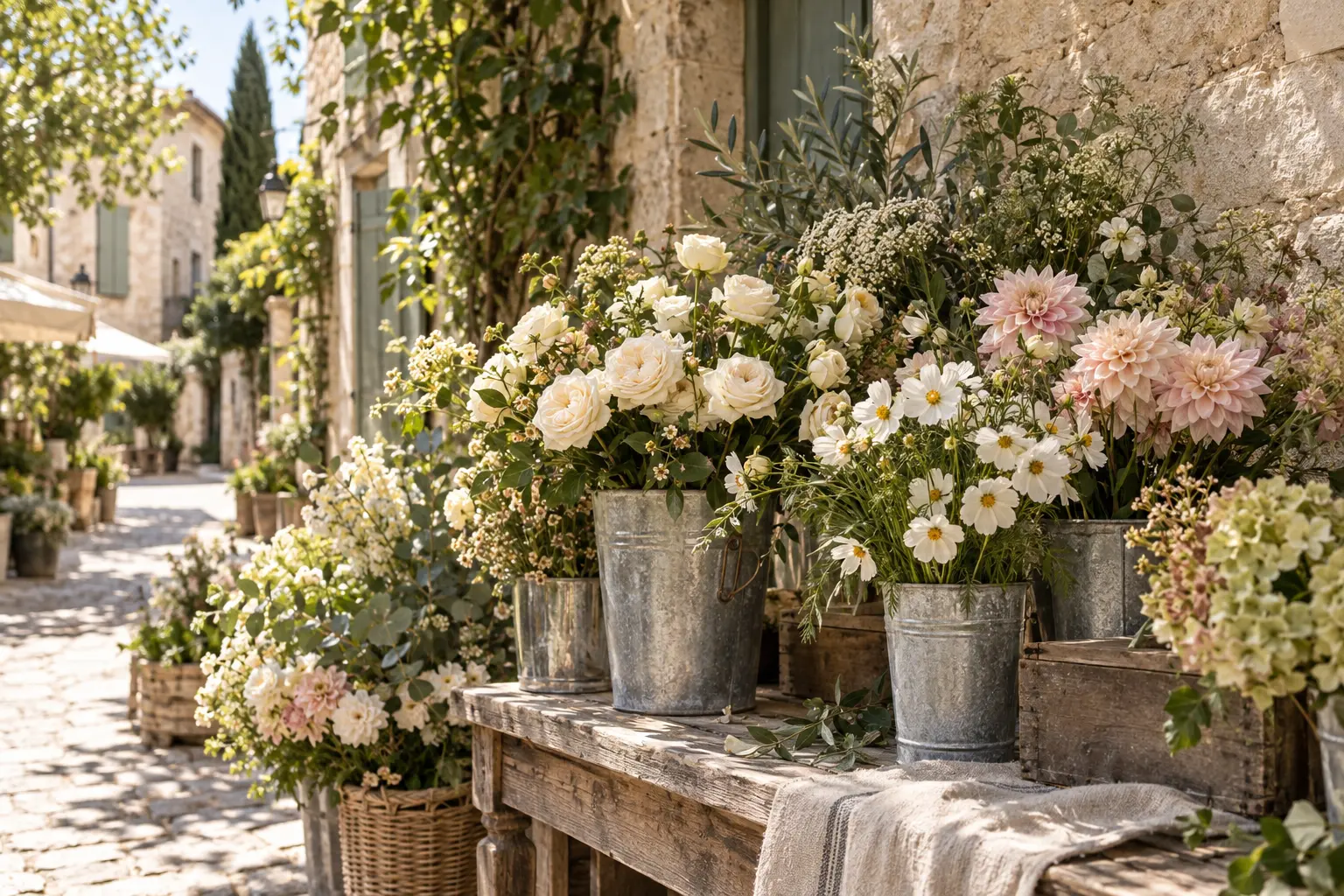
Flower stalls add another layer to the market, but their appeal is not found in extravagant arrangements.
The loveliest displays feel loose and seasonal: garden roses, cosmos, pale dahlias and airy foliage gathered into galvanized buckets. Stems vary in height, petals are imperfect and the palette reflects the surrounding landscape.
If you are staying somewhere for several days, bring back one small bunch. Place it in a ceramic jug or simple glass beside an open window. It is a small ritual, but one that makes a temporary room feel connected to the place outside.
Gardens Behind Stone Walls
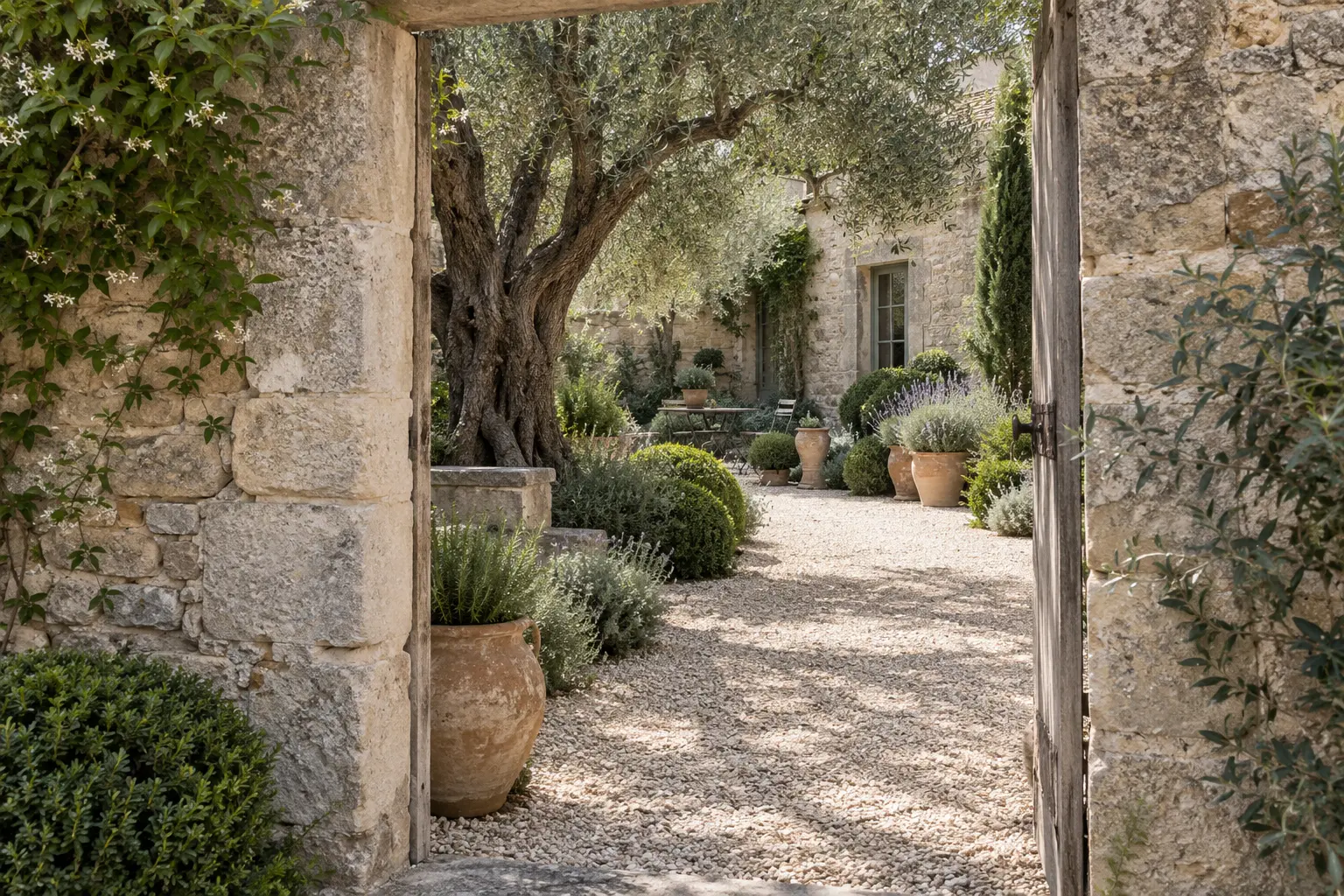
Gardens in Provence often reveal themselves slowly. A modest doorway opens onto pale gravel. An old olive tree creates a ceiling of shifting shade. Clipped evergreen forms lend structure, while terracotta pots and weathered limestone soften the composition.
These gardens are not crowded with flowers. Their beauty comes from restraint. Rosemary, lavender and silvery foliage are repeated in measured groups. Gravel provides breathing room. Trees offer shade, and architecture remains visible rather than disappearing behind planting.
Even a small courtyard can feel generous when every element has space around it. The lesson is wonderfully transferable: use a limited palette, repeat reliable plants and leave enough open ground to appreciate the composition.
The Long Lunch
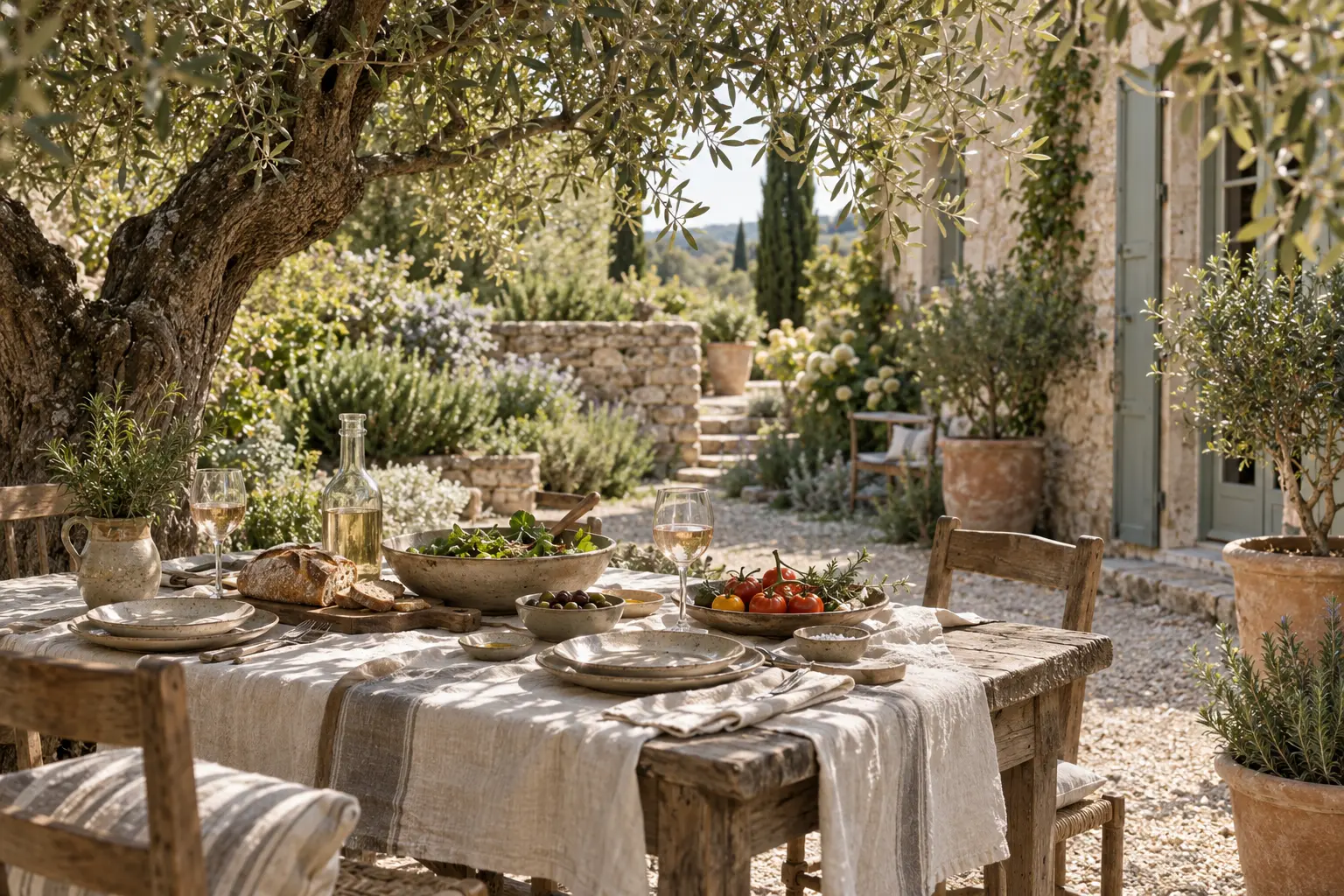
Lunch in the South of France is not simply a break between activities. It can become the centre of the day.
A table beneath an olive or plane tree requires very little decoration. Rumpled linen, handmade plates, bread, tomatoes, olives and something cool to drink are enough. Dappled shade moves across the table while the afternoon gathers slowly around it.
The most appealing tables do not look untouched. Bread has been torn, glasses are partly filled and serving dishes are passed from one place to another. The beauty comes from use rather than perfection.
Allow lunch to last longer than expected. Avoid planning a strict afternoon immediately afterward. Leave time to walk, read or simply remain in the garden until the heat begins to soften.
Small Shops Worth Entering
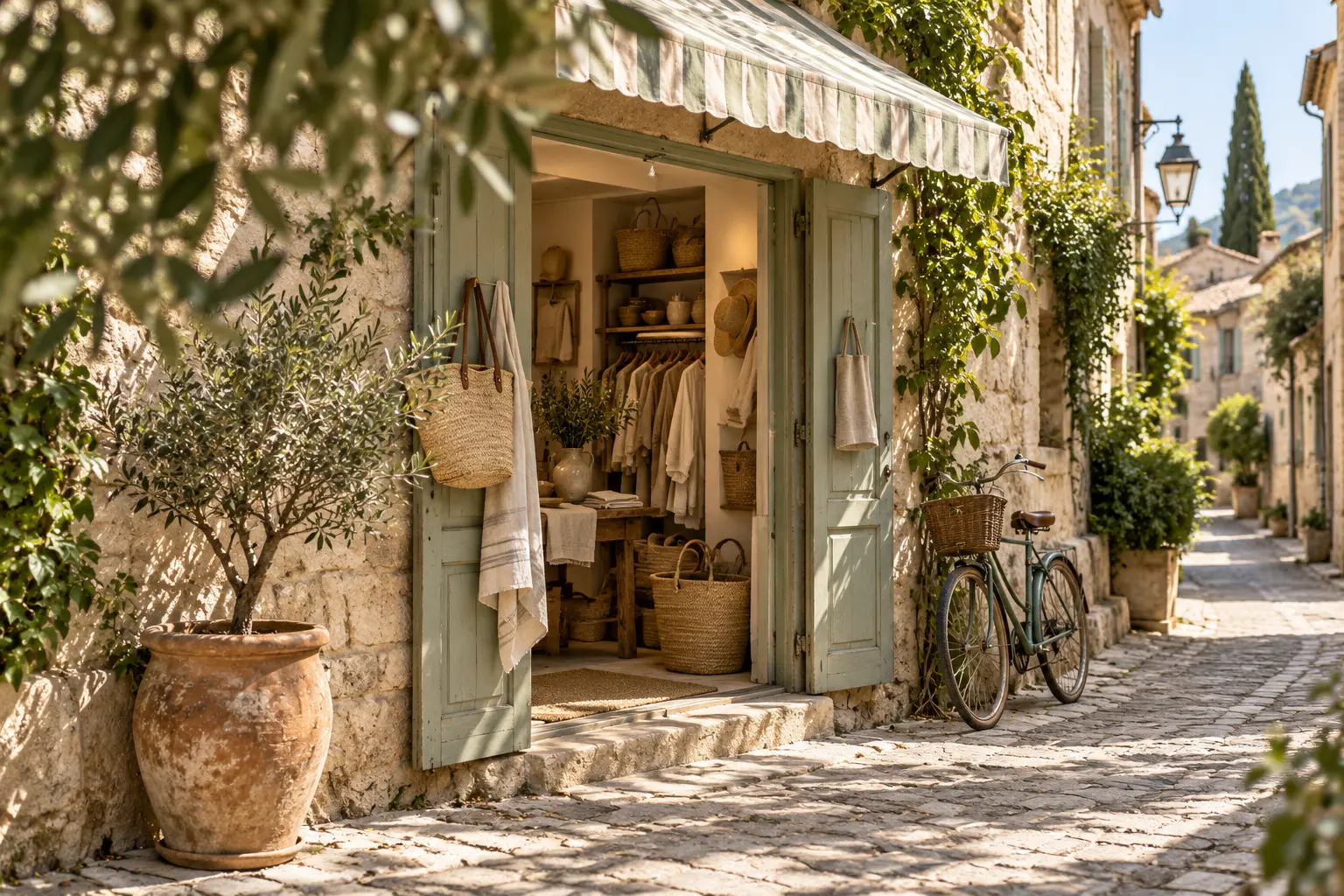
The most memorable shops are often found away from the busiest streets.
Look for small épiceries, pottery studios, linen shops and family-run boutiques occupying old limestone buildings. Their entrances may be marked only by an awning, an open sage-painted door or a few baskets placed outside.
Choose objects that feel connected to daily life rather than generic souvenirs: a woven market basket, a linen napkin, a small ceramic bowl or a piece of locally made garden pottery.
These useful things carry memories particularly well. Long after the journey, they return naturally to the table, kitchen or garden instead of being placed on a shelf and forgotten.
A Note on the Coast
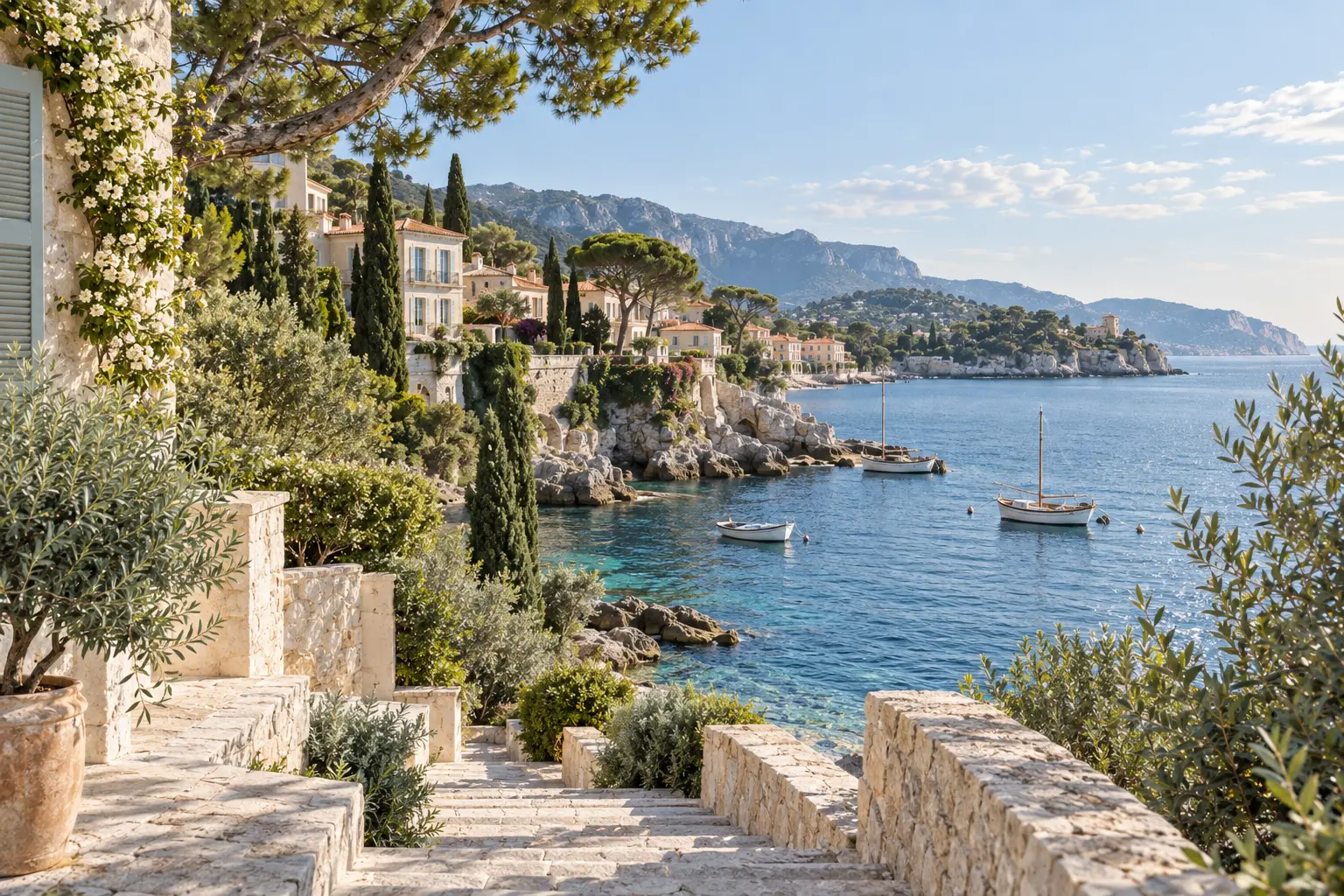
The Mediterranean offers a different rhythm from the inland villages, but it is still possible to experience it quietly.
Avoid trying to cover a long stretch of coastline in one day. Choose a single town, coastal path or small cove and allow the landscape to unfold on foot.
Look for weathered steps descending toward the water, maritime pines leaning over old stone walls and small boats resting close to shore. The sea is most beautiful when its colours remain soft: muted blue water, silvery foliage, pale stone and the warm gold of late afternoon.
Stay beyond the brightest part of the day. As the sun lowers, the stone becomes warmer, the water softens and the coastline begins to feel less like a destination and more like a place.
A Gentle Five-Day Rhythm
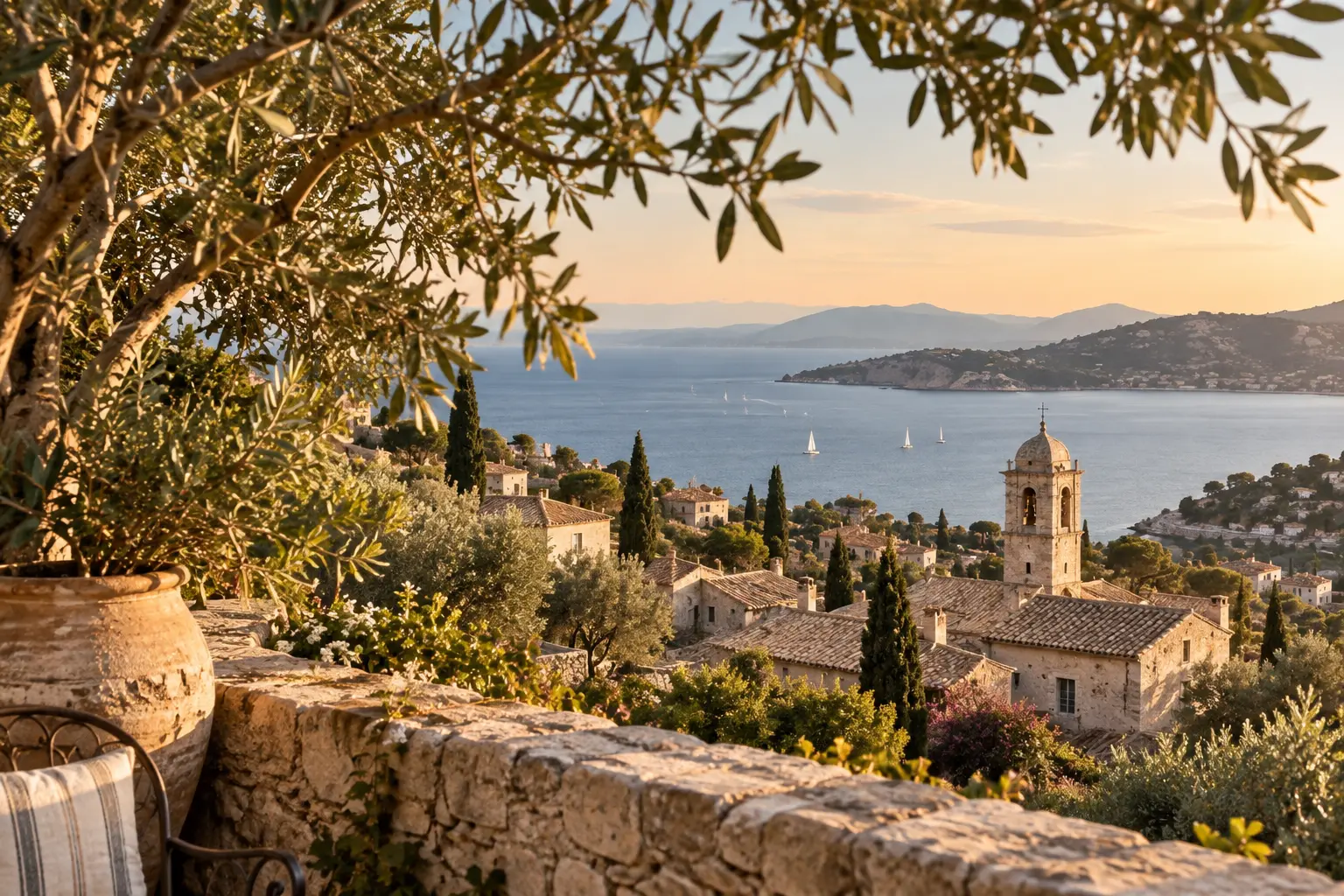
A memorable journey does not require an ambitious itinerary. This slower five-day rhythm leaves enough structure to guide the trip and enough space for it to surprise you.
Arrive, unpack and walk through the nearest village. Find somewhere relaxed for dinner.
Visit a morning market, then spend the day exploring one village on foot.
Visit a garden or historic property, followed by a long lunch in the shade.
Choose one coastal town, path or cove and stay until the light begins to soften.
Return to a favourite café or lane and keep the final morning uncomplicated.
What to Pack
Pack lightly and choose pieces that can move easily between village streets, markets and relaxed lunches. The stone lanes and steps can be uneven, so comfortable footwear matters far more than a highly styled outfit.
Linen shirts and breathable layers
Comfortable trousers or a loose dress
A lightweight cardigan or jacket
Supportive walking shoes or leather sandals
A woven market tote
An understated sun hat
Sunglasses
A small notebook
The Art of Leaving Slowly
The South of France does not ask you to see everything. It invites you to notice more.
The lasting memories are often quiet ones: the shadow of an olive branch across white linen, the scent of rosemary warmed by the sun, coffee beside an open window and the warmth held by a limestone wall at the end of the day.
When it is time to leave, carry home more than photographs. Carry the slower rhythm, the appreciation for ordinary beauty and the willingness to leave a little space in the day.
Perhaps that is the real art of travelling gently: returning home with a quieter way of seeing.
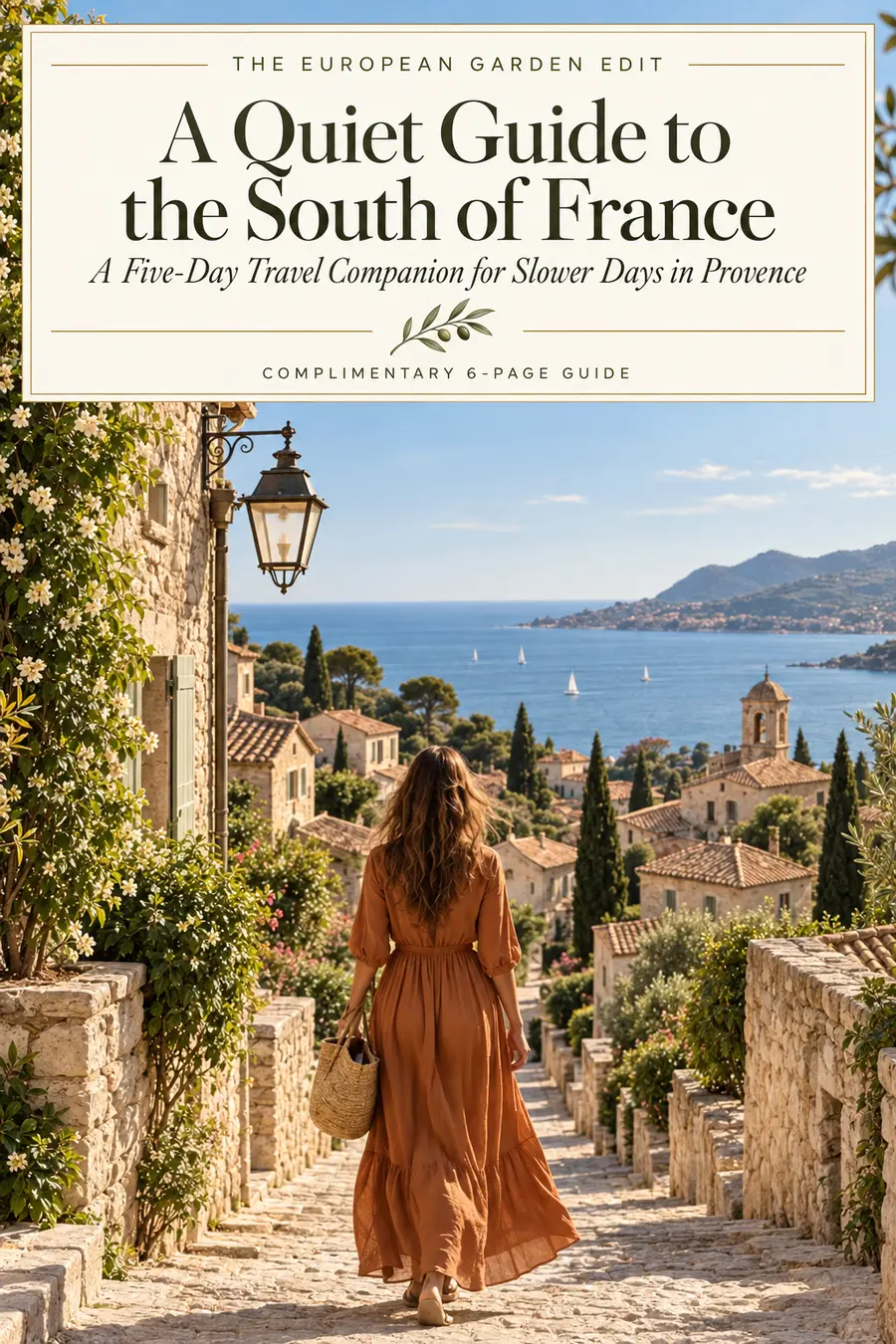
Take the South of France With You
Receive the complimentary six-page travel companion with a gentle five-day rhythm, packing notes and a printable planning page.
FROM THE JOURNAL
Recent Reads
October 7, 2026
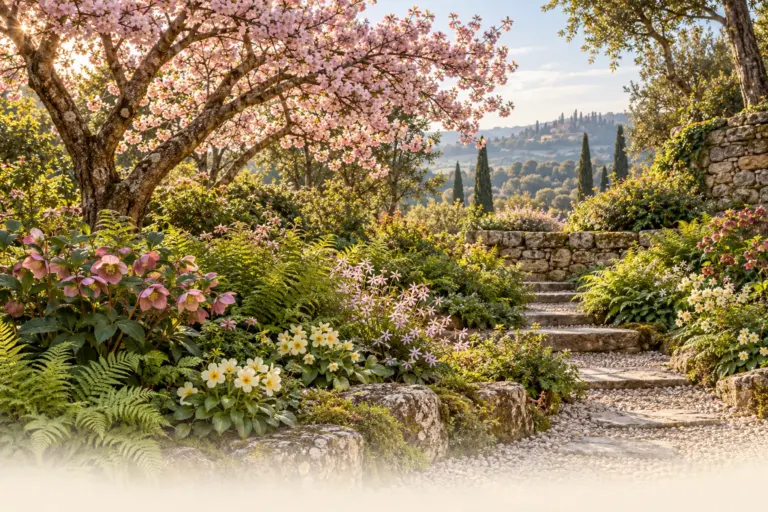
How to Choose a Garden Colour Palette: 7 Beautiful Plant Combinations
October 6, 2026
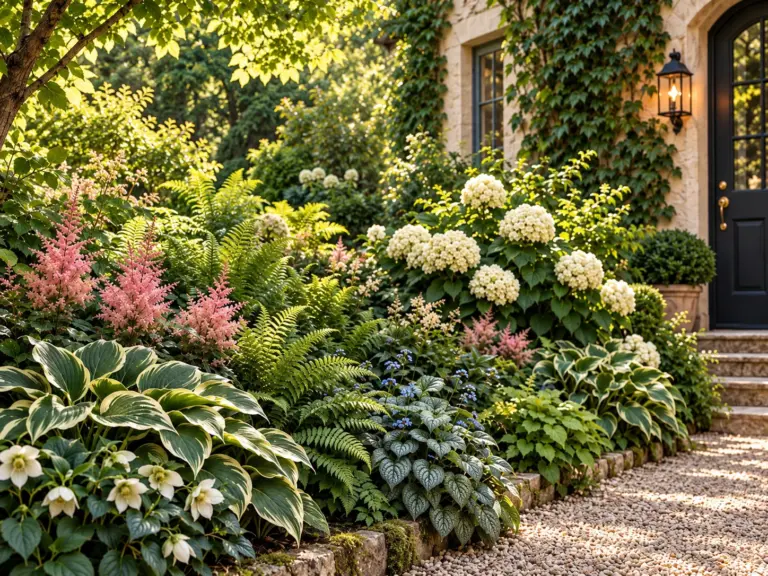
How to Design a Beautiful Shade Garden: A Simple Layering Formula
September 17, 2026
How to Design a White Hydrangea Border
September 16, 2026
5 Beautiful Ways to Edge a Garden Border
September 12, 2026
How to Choose the Right Hydrangea for Your Garden
September 10, 2026