
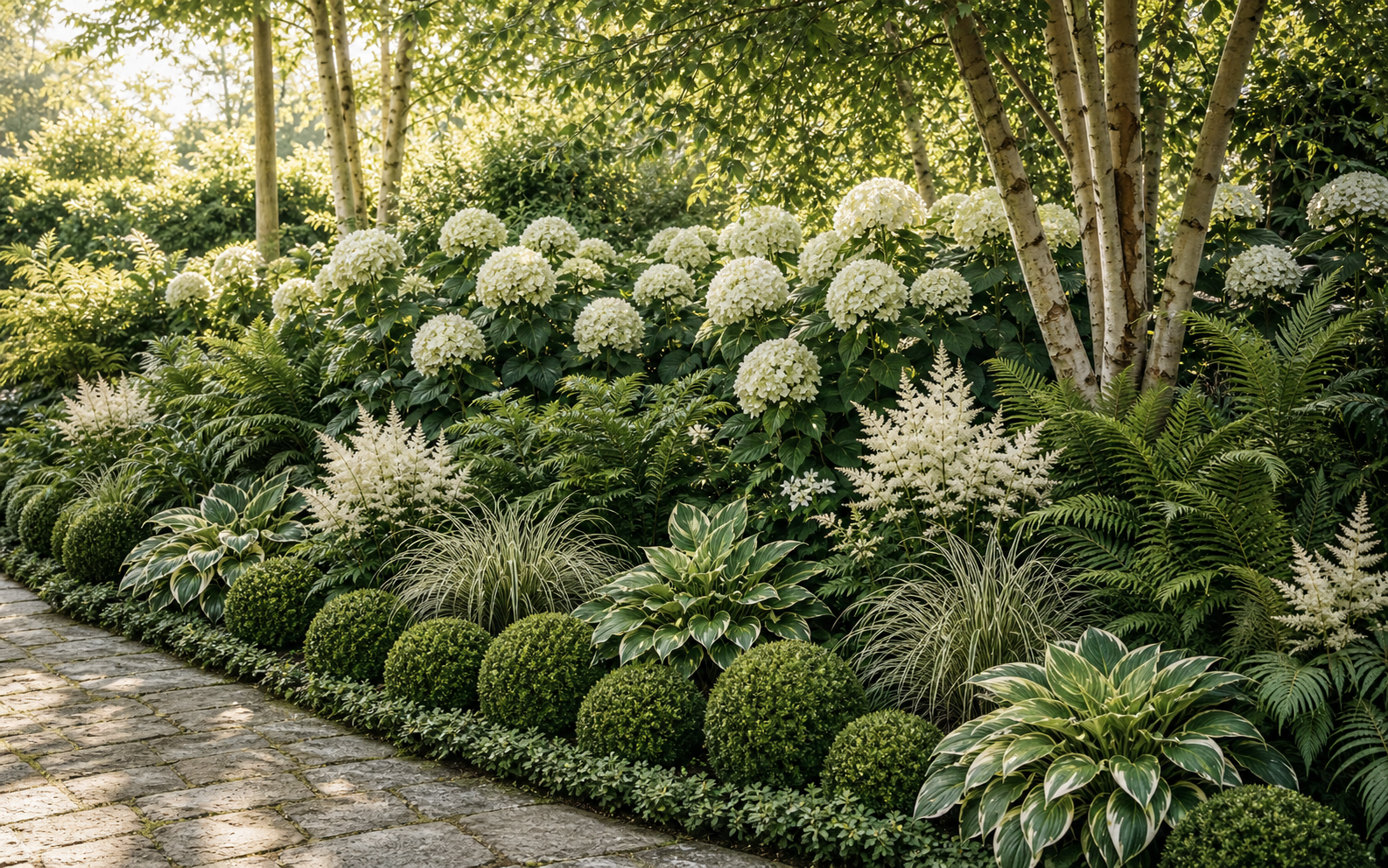
How to Layer a Shade Border
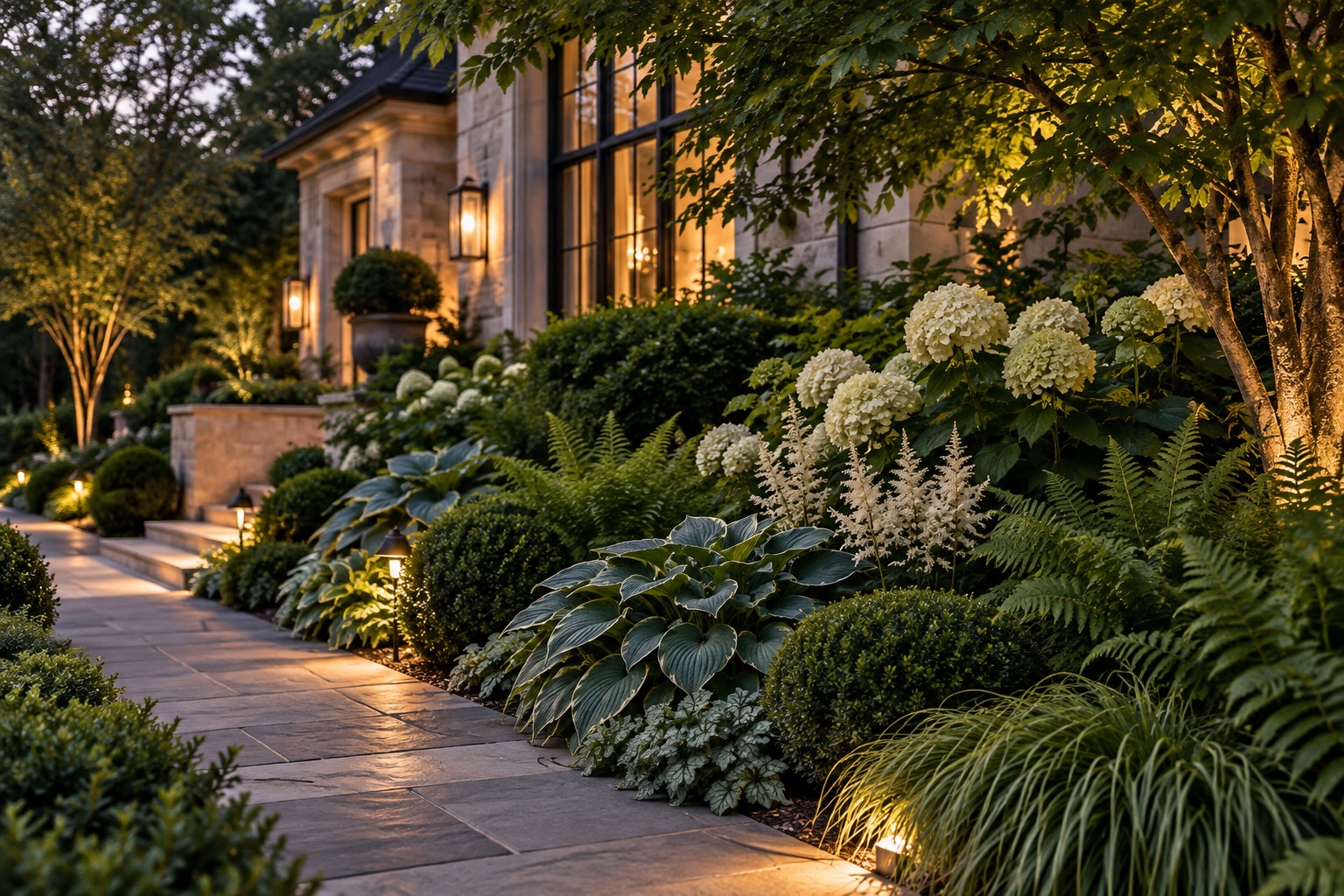
Garden Design
How to Layer a Shade Border
Professional planting techniques for depth, rhythm and year-round beauty.
A beautiful shade border is not simply a collection of plants that tolerate less light. It is a composition built with height, texture, repetition and a clear sense of depth.
Shade has its own atmosphere. Colours feel quieter, foliage becomes more important and every shaft of light can transform the planting.
Begin by Reading the Shade
Understand the light before you plant. Bright dappled shade differs from deep, north-facing shade. Observe how the light moves, how the soil holds moisture and where tree roots create dry pockets. When you read the conditions, plant choice becomes simple and successful.
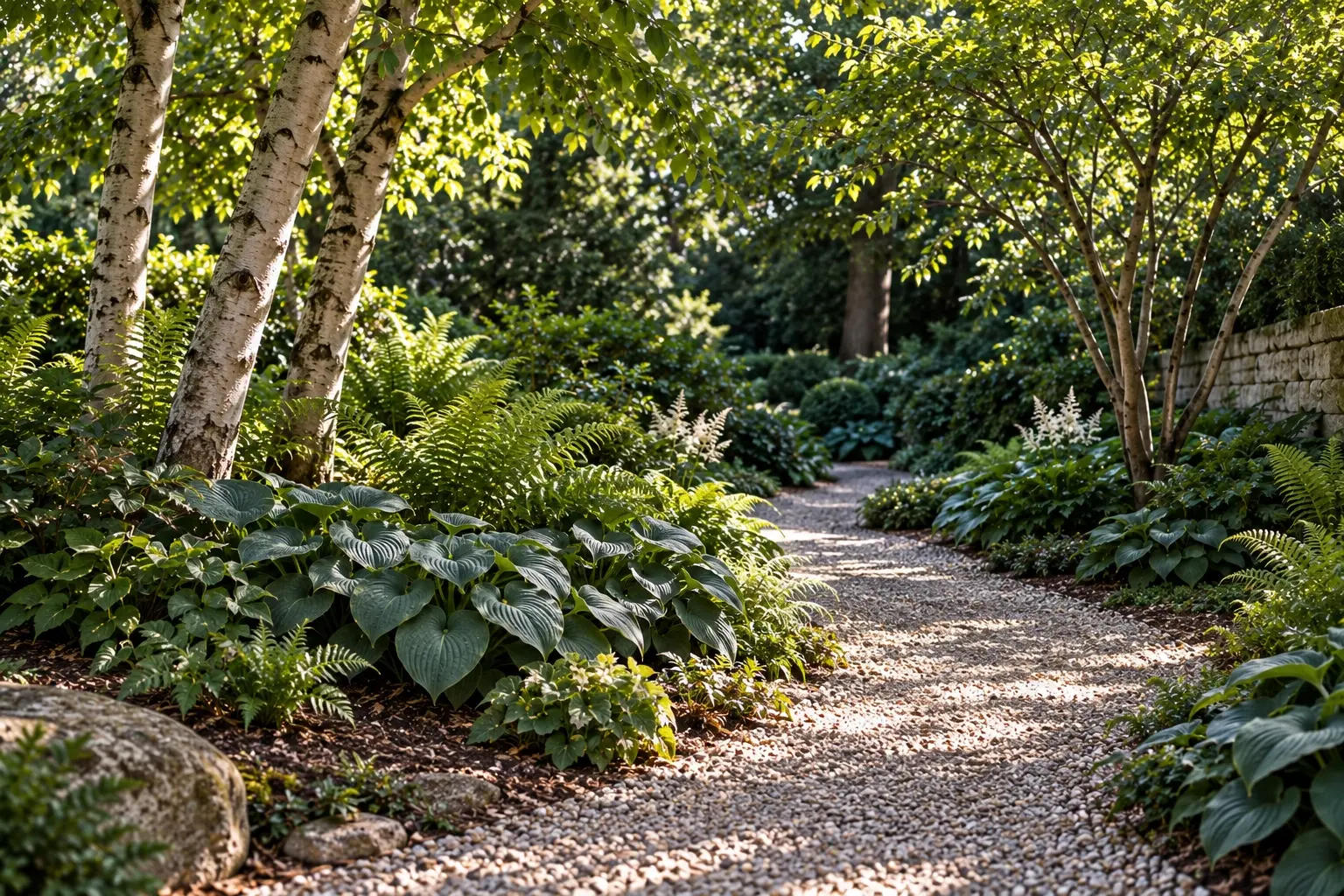
The Four Layers of a Shade Border
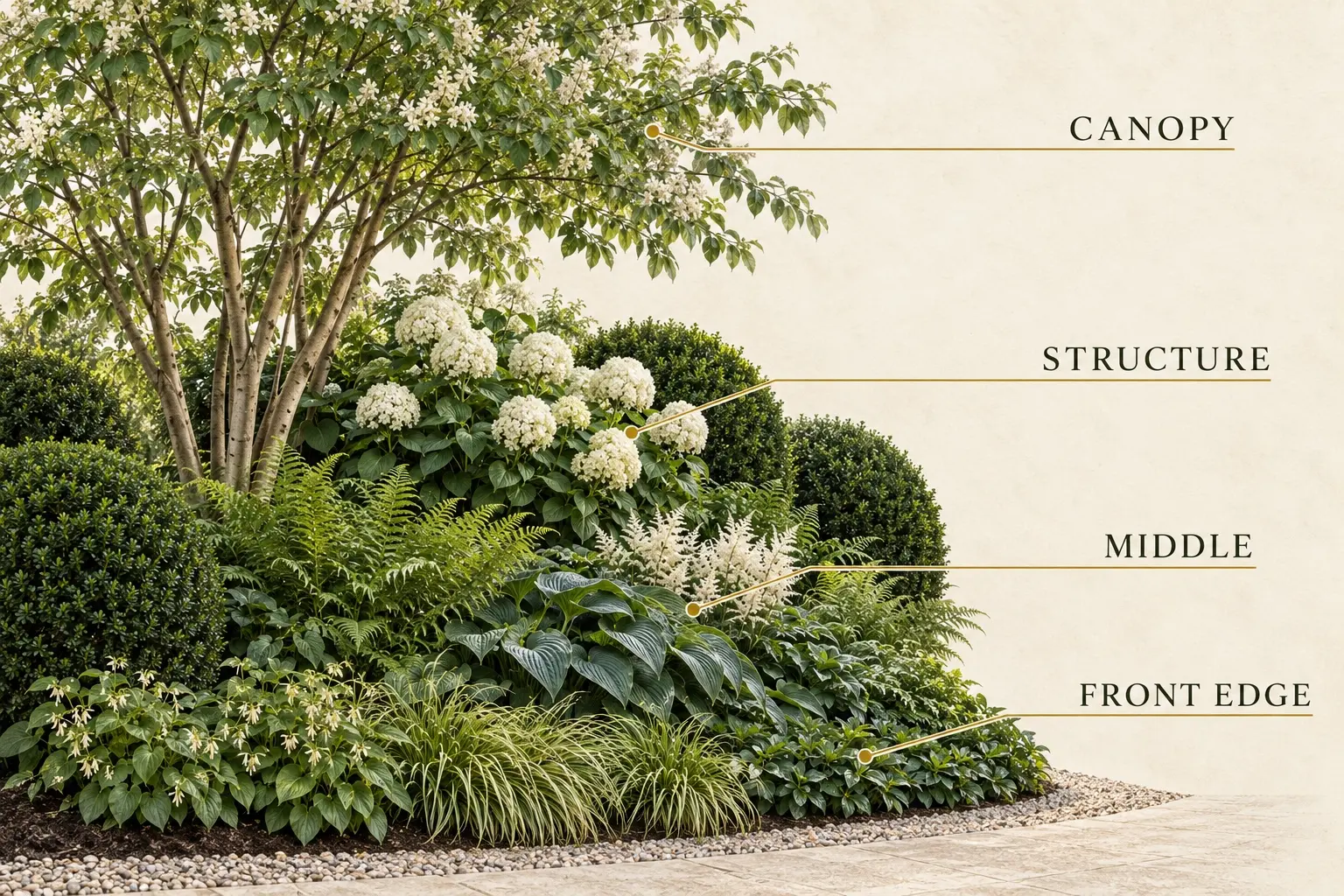
Build With Foliage First
Great shade borders begin with foliage. Combine contrasting leaf characters for depth and interest. Broad hosta leaves, finely divided fern fronds and linear arching Japanese forest grass create texture that works in every season. Choose restrained tones—deep green, blue-green, cream and muted gold—to keep the palette calm and elegant.
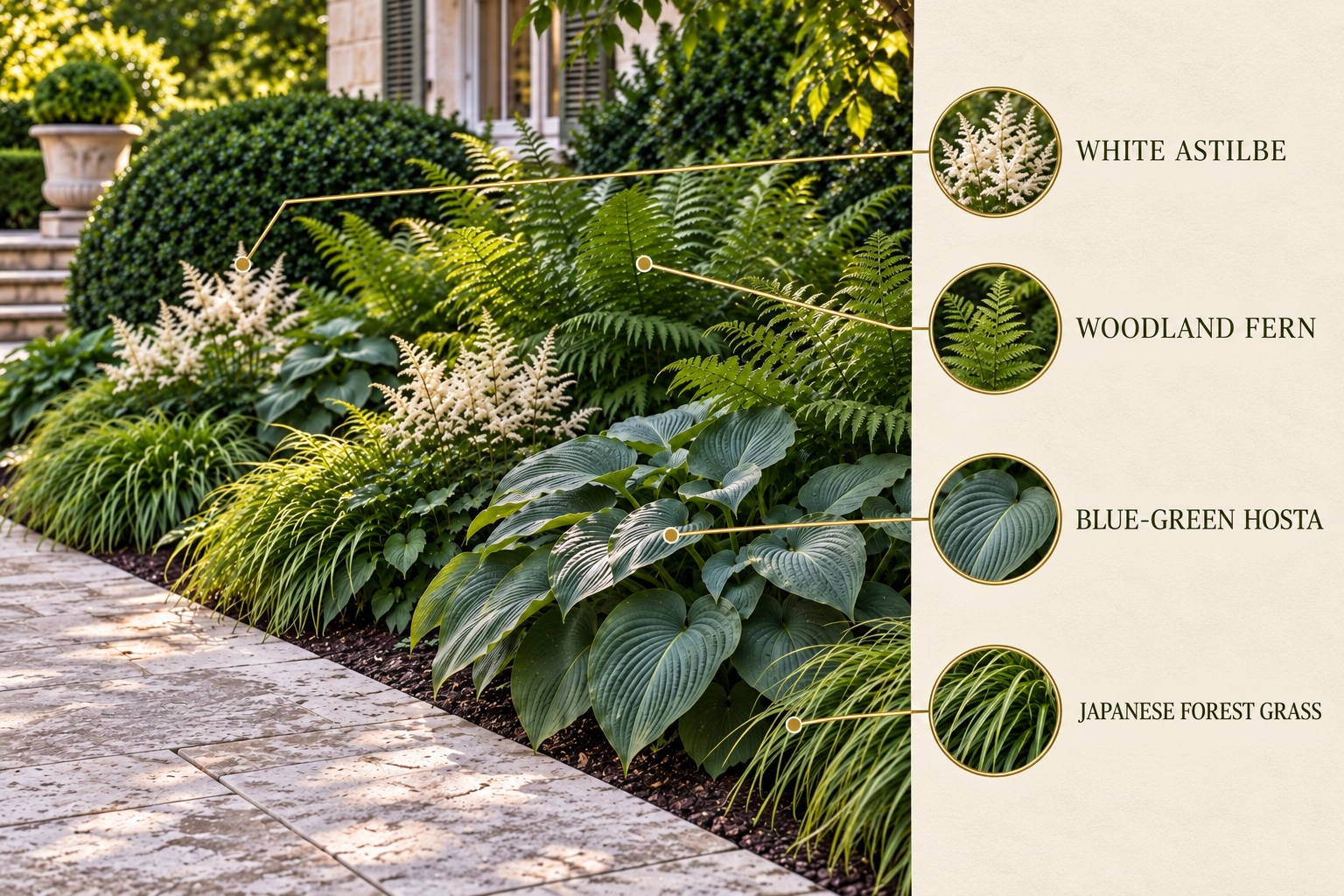
A Simple Planting Formula

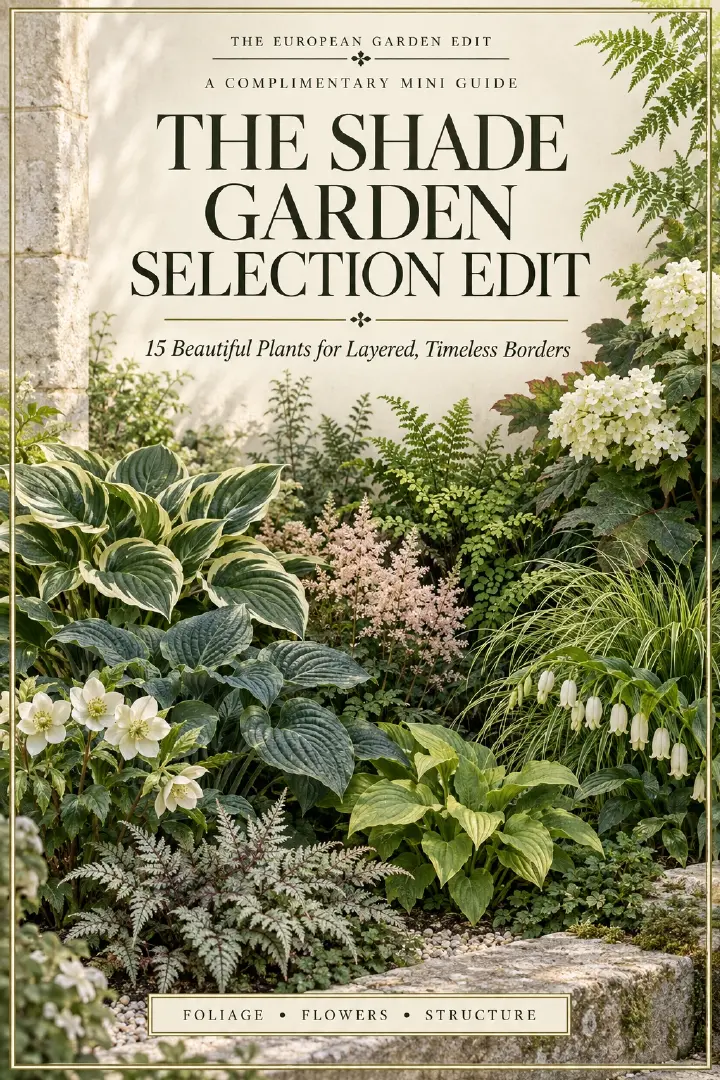
Your Complimentary 6-Page Guide
Create a Layered Shade Garden with Confidence
Receive your complimentary copy of The Shade Garden Selection Edit, a beautifully designed six-page guide to fifteen elegant plants, shade conditions and a simple planting formula.
Complimentary PDF • Instant Access
How to Compose the Border
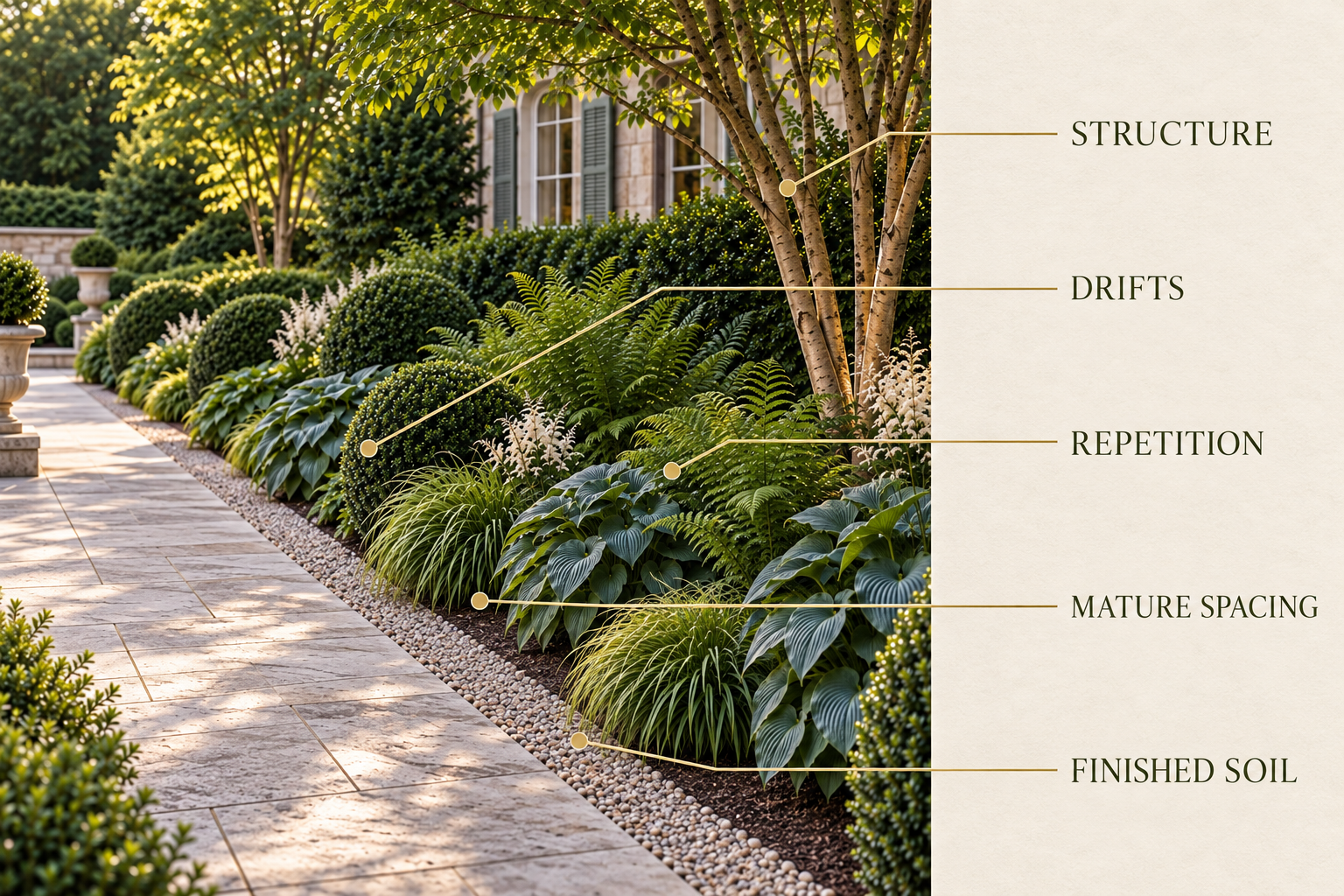
Place the Structural Plants First
Set trees, evergreen structure and hydrangeas in place before filling around them.
Plant in Drifts, Not Dots
Plant groups of three, five or seven of the same plant where room allows.
Repeat at a Steady Rhythm
Repeat ferns, grasses and hostas throughout the border for cohesion.
Leave Room for Maturity
Do not overcrowd young shrubs and perennials. Give them space to grow.
Finish the Soil Beautifully
Improve with compost or leafmould and mulch with organic matter.
“Structure creates calm, foliage creates depth, and repetition makes the whole border feel inevitable.”
Design for Every Season
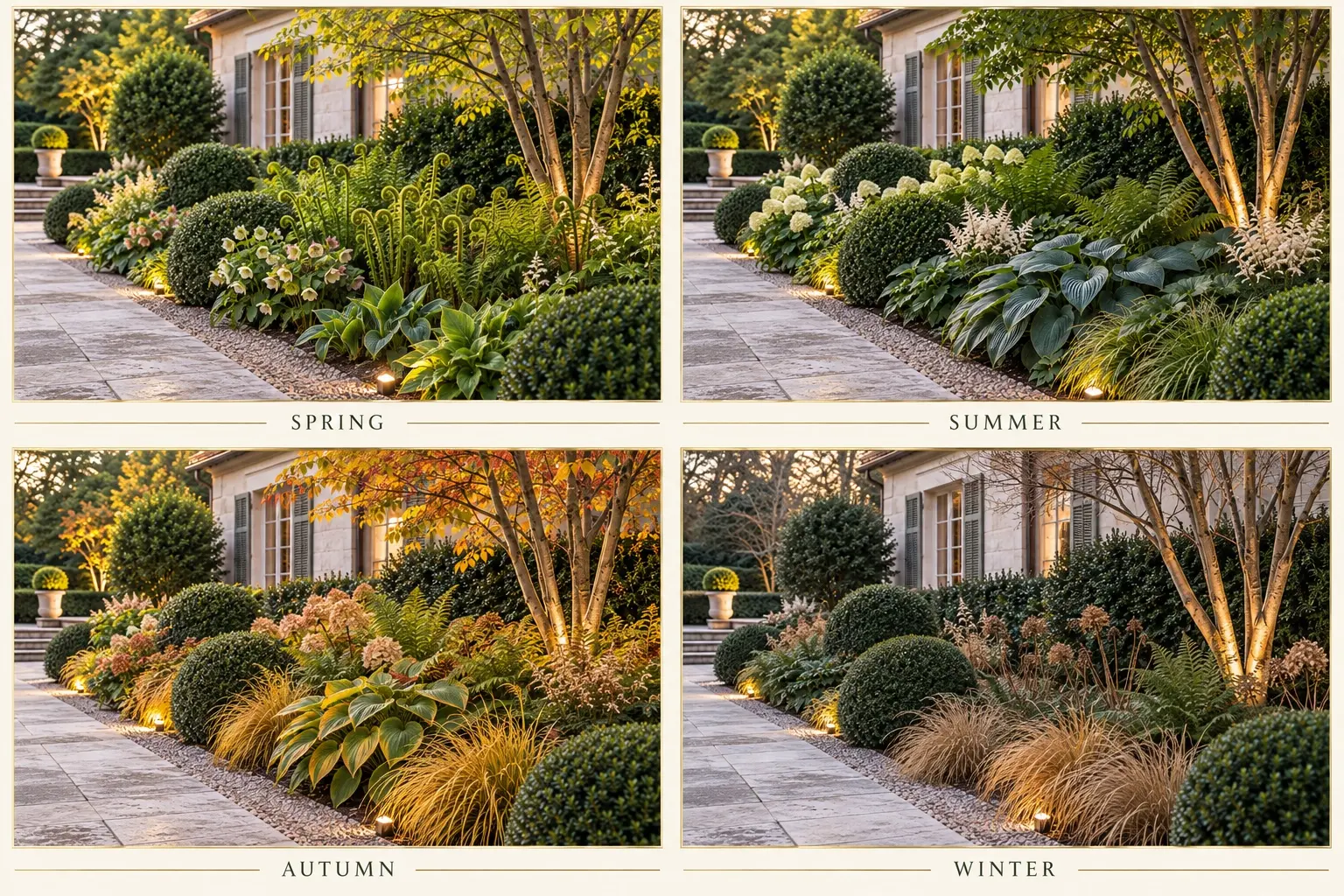
Spring
Fern croziers, hosta shoots, hellebores and fresh foliage
Summer
Hydrangeas, astilbes and strong foliage
Autumn
Parchment hydrangea heads, grasses and changing leaves
Winter
Evergreen structure, visible stems and retained seed heads
Care That Preserves the Design
Water deeply while roots establish, especially beneath trees. Renew organic mulch in spring. Keep mulch away from stems and crowns. Remove tired foliage selectively. Prune according to plant type rather than forcing everything into uniform shapes.
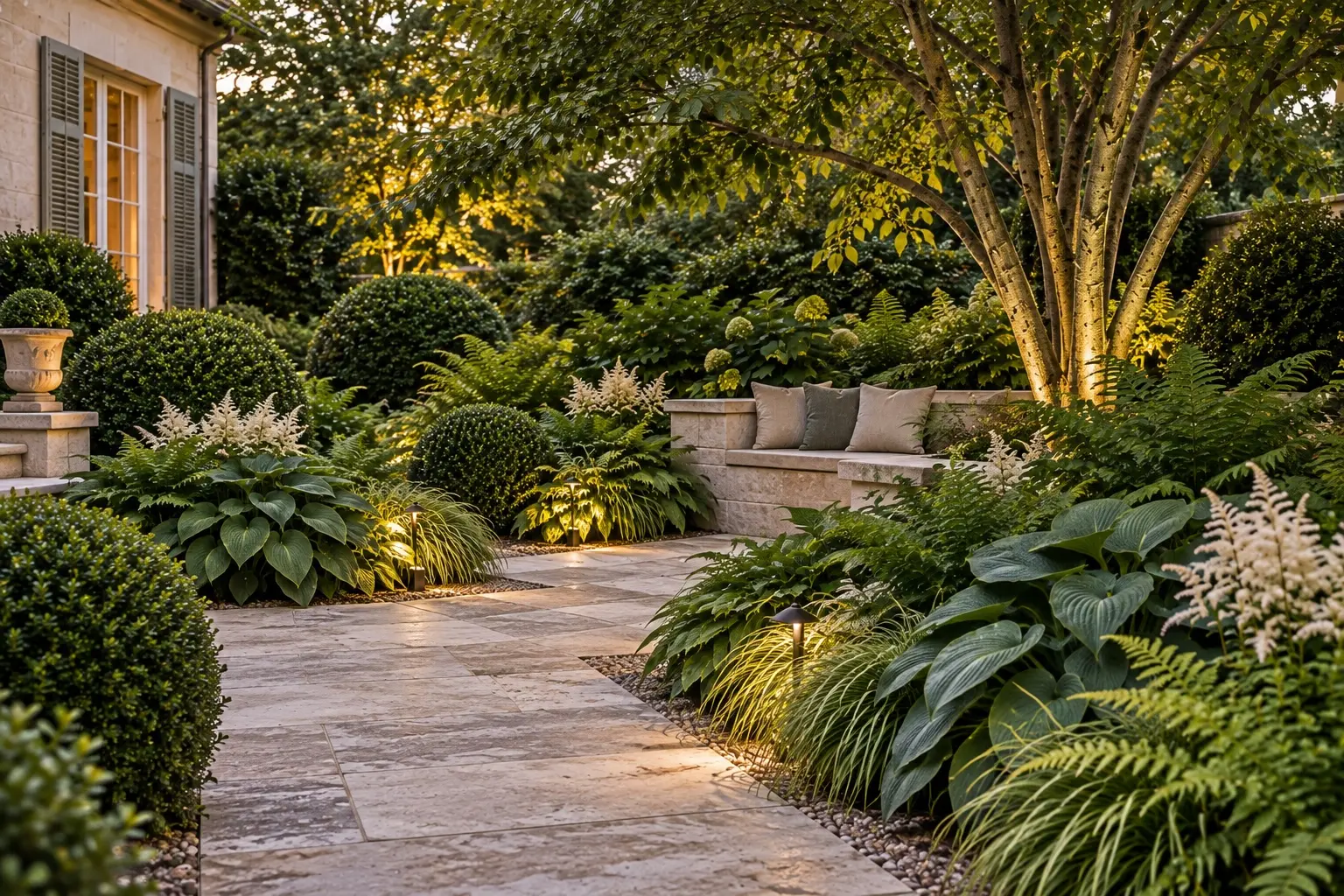
A Border That Belongs
A well-layered shade border feels sheltered, considered and connected to its setting. When your plants are chosen for the light you have and arranged with rhythm and care, the garden becomes a place of quiet beauty in every season.
Before You Go
Your Complimentary 6-Page Guide
Create a Beautiful, Layered Shade Garden
Receive The Shade Garden Selection Edit, a complimentary guide to 15 beautiful plants for layered, timeless borders.
Complimentary PDF • Instant Access
FROM THE JOURNAL
Recent Reads
October 7, 2026
How to Choose a Garden Colour Palette: 7 Beautiful Plant Combinations
October 6, 2026
How to Design a Beautiful Shade Garden: A Simple Layering Formula
September 17, 2026
How to Design a White Hydrangea Border
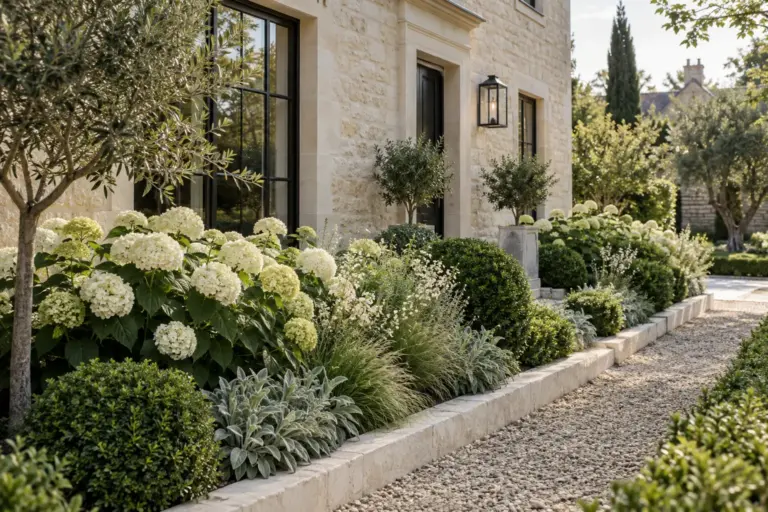
September 16, 2026
5 Beautiful Ways to Edge a Garden Border
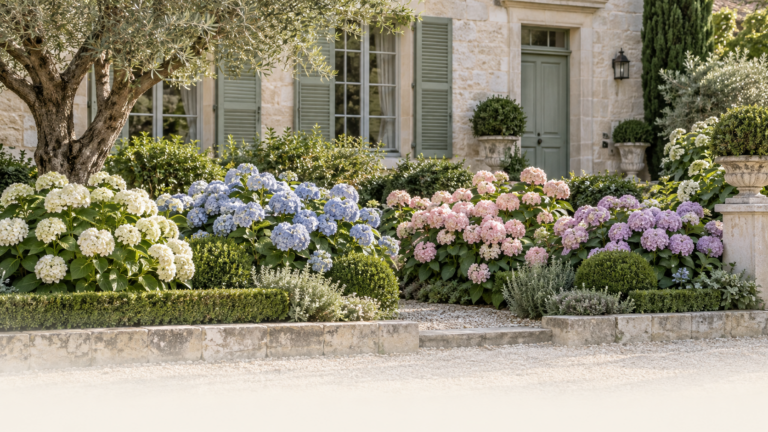
September 12, 2026
How to Choose the Right Hydrangea for Your Garden
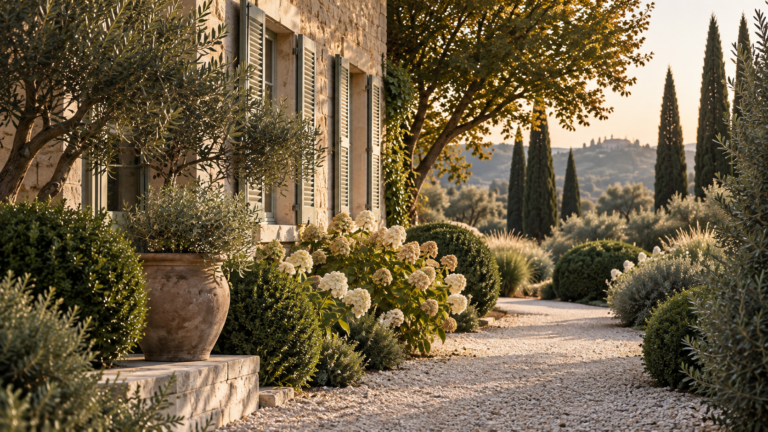
September 10, 2026